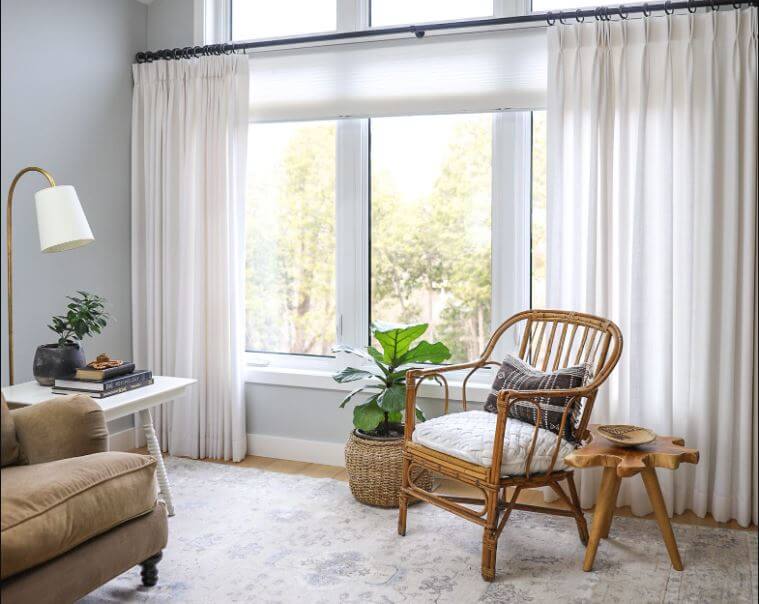
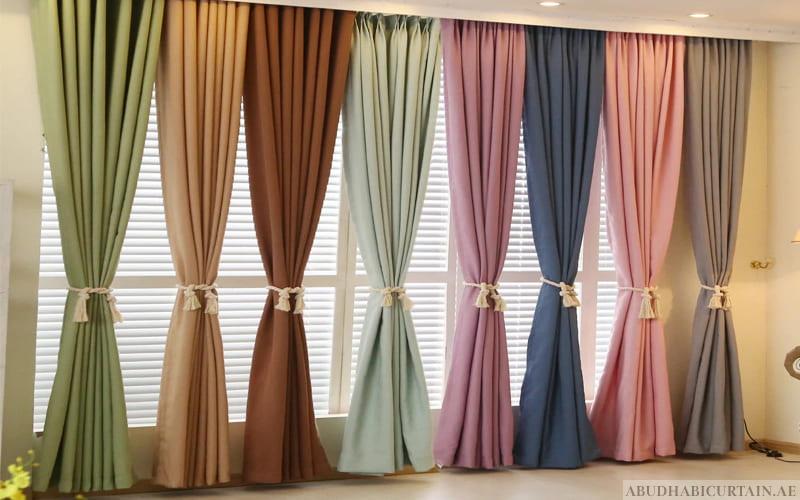
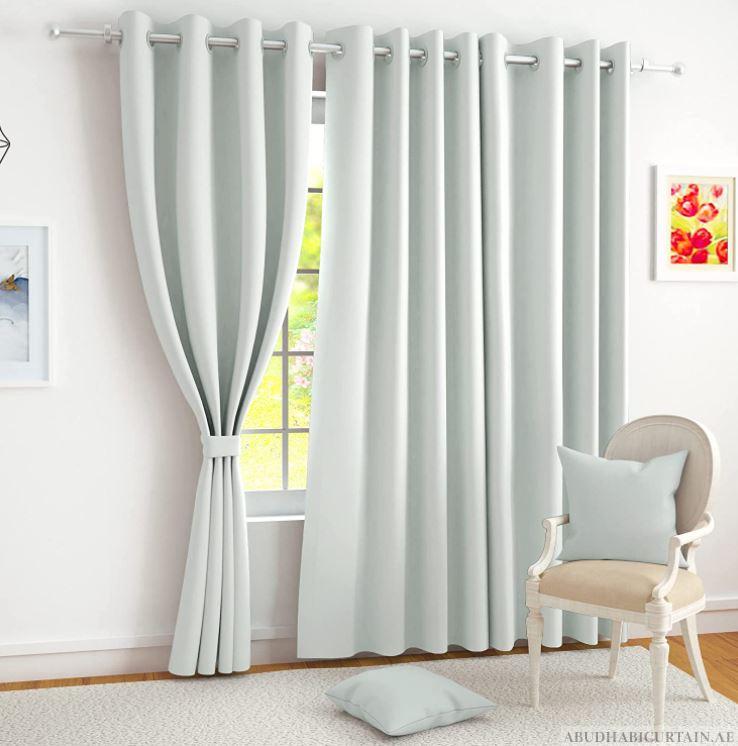
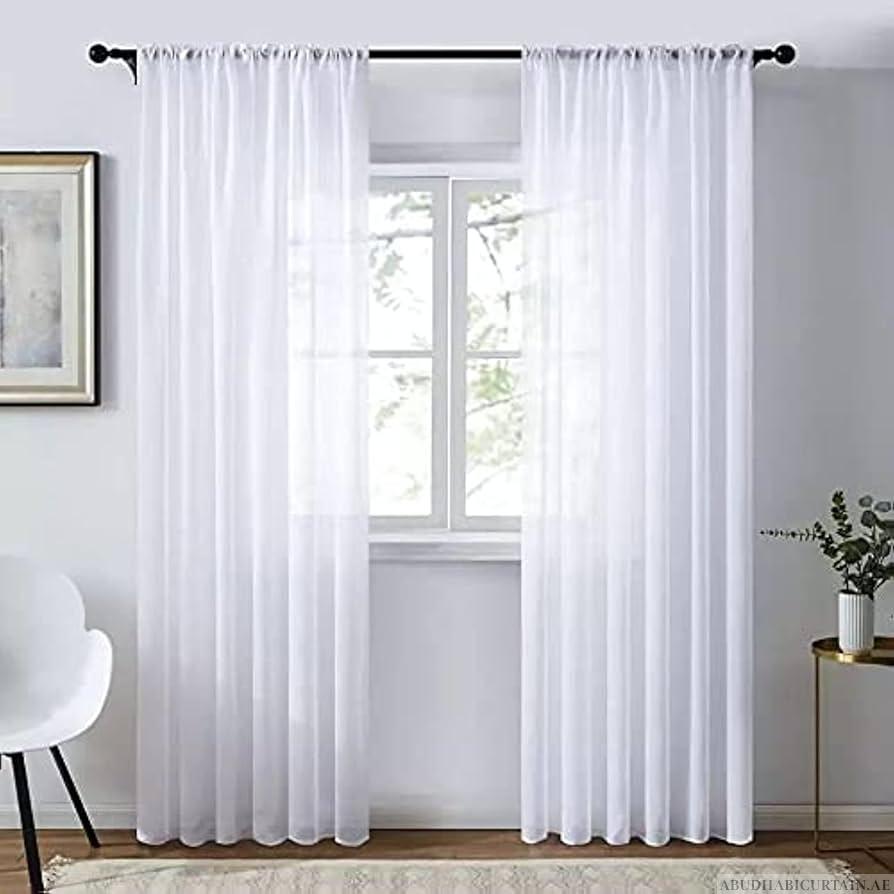
In your decor plans, you make a statement decision when choosing curtains. Also, the color of your curtains affects the furniture; you might need a matching wingback chair for instance –. It’ll also show in your wallpaper and flooring pick. Knowing how to pick curtains is, in short, key to your home’s final design look. There could also be some practical considerations-making it even more challenging to pick curtains. Here we’ll direct you through selecting Curtains Abu Dhabifor your home.
Fabric and Color
The fabric is a critical factor in your curtains collection. The material used to render the curtain decide how well the curtain is performing for you, and how well the test of time will stand. There are minor factors like the heavier curtains, which do not fold well when pulled up. Instead of smoothly dropping into pleats, they will bump out into the room. However, if the material is too light, it may not well fall to the ground, which makes the curtain look messy?
Time and Present of your Curtain Hanging
If you put up higher on your curtain rail or hanging panel, it will add a sense of height to your room. So, you don’t weigh the window while you measure your curtains. You measure the curtain from where it falls, and where you want it to hang. Some designers suggest about six inches above the window frame, especially if you seek a dramatic look.
You have to decide if you want a more traditional ground look to hand over the curtain or two or three inches under the window. The curtain has been flushed to the level by more modern looks, so there is no curtain bunching, but there is no room between curtain and carpet.
Block out any Creeping Light
Width-wise, find either side of a couple of inches to help block out the sun. If in winter the room will bathe in low light, you should be sure to arrange your curtains to help block any creeping light.
Did Custom Make or Out of a Store?
There are many benefits of making your own made curtains. You can ensure that the curtains file your home’s dimensions correctly—likewise, custom curtains not restricted to the choice of fabric, color, or design. There are countless options open to you – but you’ll pay the price for that luxury. The price difference between the custom-made and off the shelf is considerable. You may want curtains designed for feature rooms where visitors are looking to impress.
Make Sure it’s Friendly to Wash
You can also budget for dry cleaning costs if you purchase custom-made. You can ruin the washing machine’s high-quality curtains and no matter how much you iron them, you are never going to hang the same again. And some curtains outside the shelf need a dry clean. And if you want to wash your machine, you will need to read the packaging to make sure it’s nice to clean.
Conclusion
If you are going for custom-made, the online or in-home consultation is your choice, and the best place is Abu Dhabi curtain for ordering your custom made curtains. If you contact your curtain maker online then all the details depend on you. They will work from your measurements and from your sense of space. They will immediately ask questions but the consultation will only be as good as the available details. In-home designer firms should move into your home design and suit their curtains correctly. They can select colors, textures, and finishes with confidence to create the most comfortable curtains you’ve ever owned. If he has the money, give him a go!
How do I choose the right fabric for curtains?
How do I choose the right fabric for curtains?
Choosing the right fabric for curtains is one of the most important steps in creating the perfect look and functionality for your space. The fabric not only affects how the curtains hang and move but also influences the amount of light, privacy, and insulation they provide. For example, lightweight fabrics such as cotton, linen, or sheer blends are ideal if you want a breezy, casual feel with natural light filtering through. On the other hand, heavier fabrics like velvet, brocade, or thermal-lined materials add a sense of luxury, improve insulation, and block out more light, making them suitable for bedrooms or formal living rooms. It’s also essential to consider maintenance—some fabrics are machine-washable, while others require dry cleaning. Ultimately, the right choice depends on your interior style, the room’s purpose, and the atmosphere you want to achieve.
frequently asked questions about choose curtains
How do I choose the right fabric for curtains?
The fabric depends on the room’s function. Heavy fabrics like velvet or brocade provide insulation and luxury, while lightweight fabrics like cotton or linen allow natural light and create a casual look.
What curtain length should I choose?
Curtains can be floor-length for elegance, slightly above the floor for practicality, or puddled on the floor for a dramatic effect. The choice depends on the room style and maintenance needs.
How do I pick the best curtain color?
Select colors that complement your wall paint, furniture, or accent tones. Neutral shades offer versatility, while bold colors can add a focal point to the room.
Should curtains be lined or unlined?
Lined curtains provide better light control, insulation, and durability, while unlined curtains are lighter and ideal for airy, casual spaces.
What’s the difference between blackout and sheer curtains?
Blackout curtains block light and improve privacy, making them suitable for bedrooms. Sheer curtains allow natural light while maintaining a soft, elegant feel—ideal for living areas.
How wide should curtains be compared to the window?
A general rule is to choose curtains that are 2–2.5 times the width of the window for a full, gathered look.
When it comes to window dressing, the right finishing touches are essential. Choosing the window curtains and the curtain poles, you take too much pain, which makes it crucial that you don’t compromise on the other touches of the windows. For this purpose, the Abu Dhabi curtain helps to provide accessories, and extra bits are going a long way to finish off the feel of the room.
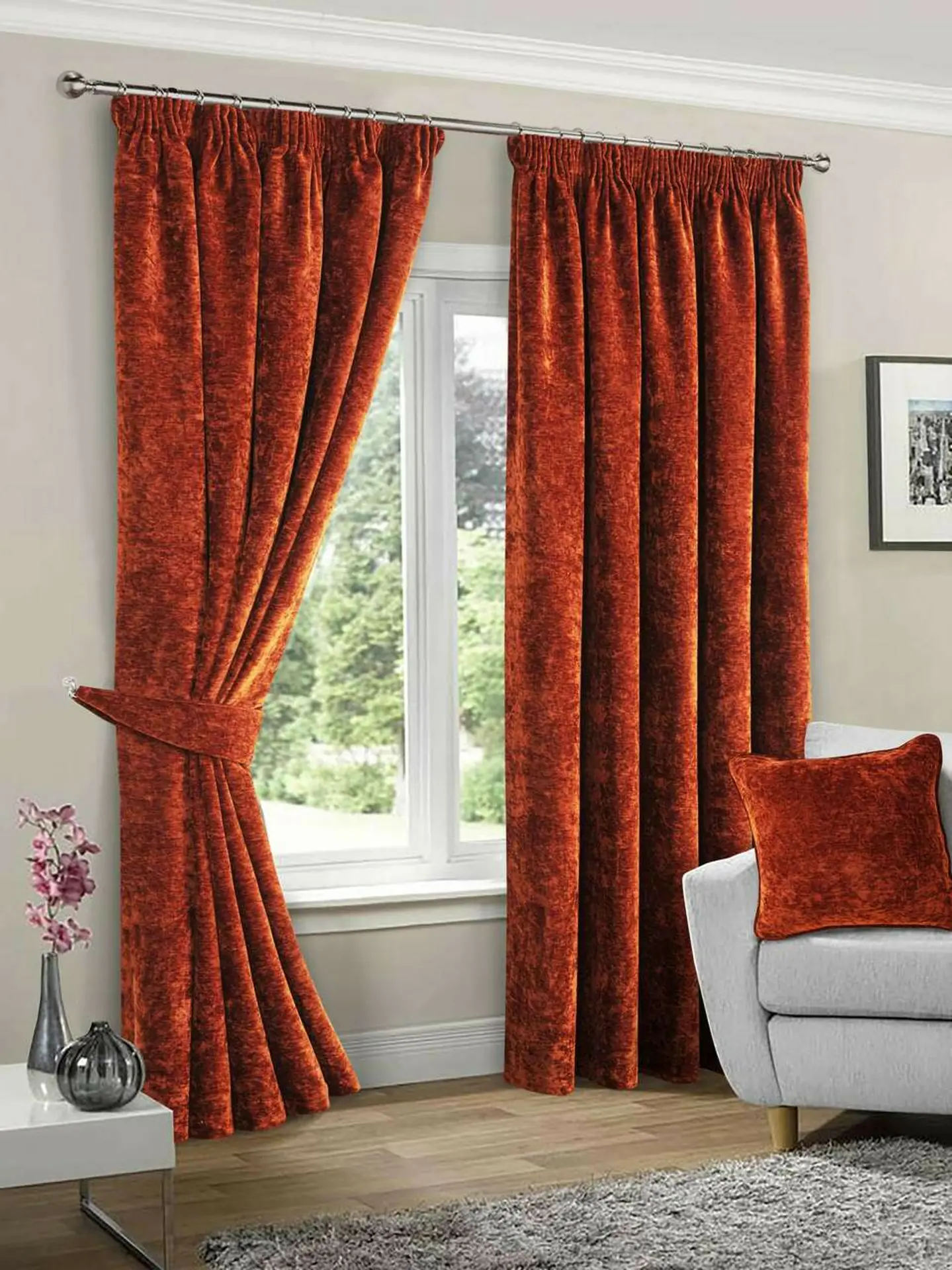
Such little improvements will make a lot of difference in bringing a beautiful look to the walls, making it your room’s talking point. And curtain tieback is one of those accessories, which can alter the window curtains look. So, when choosing tiebacks for your curtains, you need to bear in mind the curtains of Abu Dhabi.
Tips For Tying your Curtains in a Better Way
We at Abu Dhabi curtain happy to assist you regarding tying your curtains so you could hang them without any difficulty.
# Tip 1: If you have heavy curtains look for large and solid curtain tiebacks in your home. Like a heavy silk curtain, the wall needs thick tiebacks or iron holdbacks. While rope tiebacks may be ideal for lightweight curtains that go for making fabric, they’re flexible, and with ornamental touches, you can opt for them.
# Tip 2: Choose the tiebacks that match the decor or theme of the room. Choose the tiebacks of the material and metallic mix when you have silver and copper accents in your living room. The contemporary tiebacks are made from transparent beads or a blend of metal and fabric. You can opt for such a tieback in a home that has a modern touch. While adding to the charm with fabric tiebacks in traditional home decor. And go for ties in terracotta and earthy colors to make sure the colors of the room are blended.
# Tip 3: The ties on both sides of the window are mounted. They’re differentiated when you pick them in vivid and contrasting colors. If you like a combined look, however, choose a tieback similar to the wall color. Look at your curtains and tiebacks in the same shade as a wall color. You can get a synchronized look inside the room this way. If your mind is dramatic, make sure that you reflect on the curtain tiebacks. Not something simple or simple, but one that catches the eye.
# Tip 4: All you add to your home should reflect your taste and personality, along with the tips above. Then opt for beaded curtain tie backs or metal chain if its beauty and elegance. Even when it comes to fabric making tiebacks, go rope-style for ones. If you do want to create in your house the charm of the old world, you’ll go into twigs, fringes, and crystal.
Find the above tips for selecting the curtains tiebacks. abudhabicurtain.aehas a number of those conventional and contemporary tiebacks. You can scan through the collection, and make your home look and feel stylish and well-designed. Tiebacks can add a window with interesting details while keeping the curtains within a room to filter by sunlight. Choose the curtain tiebacks from the designer that will boost your home’s grace and give you the sunshine and confidentiality you want. Look at the collection here and make your home look magnificent.
Do tie curtains work better with sheer fabrics or heavier materials
Do tie curtains work better with sheer fabrics or heavier materials
When choosing curtains for your home, style and functionality often go hand in hand. Tie curtains, in particular, are a versatile option that adds a decorative touch while allowing flexibility in how much light enters a room. The choice of fabric—whether sheer or heavy—greatly influences the overall ambiance and practicality of the space. Sheer fabrics create a soft, elegant feel, perfect for areas where you want to enjoy natural light without sacrificing style. Meanwhile, heavier materials can provide more structure, privacy, and even insulation, making them a smart choice for bedrooms or formal living rooms.
Tie curtains can work beautifully with both sheer fabrics and heavier materials, but the result depends on your needs:
Sheer fabrics: Ideal for a light, airy look that allows natural light to filter through. They suit spaces like living rooms, dining rooms, or sunlit lounges where brightness and elegance are desired.
Heavier materials: Perfect for creating a more dramatic effect, ensuring privacy, and adding warmth. They are commonly used in bedrooms, formal spaces, or areas that need extra insulation.
In conclusion, tie curtains don’t favor one fabric type over the other—it’s about balancing design and function. If your goal is lightness and elegance, go with sheers. If you prefer coziness and privacy, opt for heavier fabrics.
frequently asked questions about choose tie curtains
What are tie curtains?
Tie curtains are fabric panels that are tied back with straps, ribbons, or cords to create a decorative and functional window treatment, allowing light control and adding style to a room.
Are tie curtains suitable for every room?
Yes, but their suitability depends on the room’s purpose. Sheer tie curtains are ideal for living and dining rooms, while heavier tie curtains are great for bedrooms and formal areas.
Can tie curtains be layered with other curtain styles?
Absolutely. They pair beautifully with blinds, drapes, or valances for added functionality and style.
How do I choose the right length for tie curtains?
Floor-length tie curtains create a more elegant look, while shorter lengths are suitable for casual spaces like kitchens or children’s rooms.
What should I consider when choosing colors and patterns?
Pick colors that complement your room décor. Neutral tones work for versatility, while bold patterns can act as statement pieces.
Are tie curtains easy to maintain?
Yes. Most tie curtains are machine-washable (depending on fabric), but always check the care label. Lighter fabrics usually require more frequent cleaning to stay fresh.
Selecting the appropriate office blinds is a critical aspect of workplace design, as it directly impacts the efficiency and productivity of employees. The right blinds not only provide adequate light control and privacy but also contribute to the overall comfort and ambiance of the workspace. In this guide, we will explore the various factors that need to be considered when choosing office blinds to ensure optimal workplace efficiency.
From considerations such as light management and energy efficiency to factors like aesthetics and ease of maintenance, making the right choice of office blinds involves careful deliberation. By understanding these factors and their implications for the work environment, businesses can create a conducive setting that fosters productivity, comfort, and well-being among employees.
Join us as we delve into the key considerations for selecting office blinds that promote workplace efficiency and enhance the overall functionality and appeal of the office environment.
The importance of office blinds in contemporary workspace design
In today’s rapidly evolving work environments, the design of office spaces plays a crucial role in shaping employee productivity, comfort, and overall well-being. Among the various elements that contribute to an effective workspace design, office blinds stand out as essential components with multifaceted significance.
Light Control and Comfort: Office blinds offer control over natural light, allowing employees to regulate brightness and glare levels according to their preferences. Properly managed light can reduce eye strain, fatigue, and discomfort, creating a more comfortable and conducive environment for work.
Privacy and Focus: Privacy is paramount in office settings, especially in open-plan layouts or shared workspaces. Office blinds provide a means to establish personal boundaries and visual privacy, enabling employees to concentrate on tasks without distractions from neighboring workstations or external views.
Aesthetics and Ambiance: Beyond functionality, office blinds contribute to the overall aesthetics and ambiance of the workspace. With a wide range of designs, materials, and colors available, blinds can complement the interior design scheme, enhance visual appeal, and create a cohesive and professional atmosphere that reflects the organization’s brand and culture.
Energy Efficiency and Sustainability: Office blinds play a role in energy efficiency by helping to manage heat gain and loss through windows. During hot summer months, properly positioned blinds can block solar heat and reduce the need for air conditioning, while in winter, they can help retain warmth and lower heating costs. Additionally, the use of sustainable materials and eco-friendly blind options aligns with corporate sustainability initiatives and promotes environmental stewardship.
Flexibility and Adaptability: As office layouts and needs evolve, the flexibility of office blinds allows for easy adaptation to changing requirements. Whether it’s creating separate meeting spaces, dividing work areas, or adjusting light levels for presentations or video conferences, blinds offer versatility and customization options that can accommodate diverse work activities and preferences.
Exploration of current trends in office blind designs
Office blind designs have evolved significantly in recent years, reflecting changing workplace dynamics, design preferences, and technological advancements. Here are some of the current trends shaping the landscape of office blind designs:
Minimalist and Contemporary Styles: Clean lines, simple designs, and neutral colors are increasingly popular in office blind designs. Minimalist aesthetics contribute to a modern and uncluttered workspace environment, promoting a sense of calmness and focus among employees.
Motorization and Automation: The integration of motorized and automated blind systems is a growing trend in office design. Motorized blinds offer convenience, precision control, and enhanced functionality, allowing users to adjust blinds remotely or program them to respond to daylight levels, time of day, or occupancy sensors.
Smart Technology Integration: Office blinds are increasingly being equipped with smart technology features, such as compatibility with home automation systems, voice control, and smartphone apps. These innovations provide users with greater flexibility and control over their environment, enhancing comfort and productivity.
Biophilic Design Elements: Biophilic design principles, which aim to connect occupants with nature, are influencing office blind designs. Blinds made from natural materials like bamboo, wood, or eco-friendly fabrics create a sense of warmth and connection to the outdoors, promoting well-being and environmental sustainability.
Customization and Branding: Office blinds are being used as a canvas for branding and customization, with options for personalized prints, company logos, or custom colors. Customized blinds allow organizations to reinforce their brand identity, create visual interest, and foster a sense of belonging among employees.
Energy Efficiency and Sustainability: With a growing emphasis on sustainability and energy efficiency, office blinds are incorporating eco-friendly materials and energy-saving features. Blinds with high-performance solar coatings, thermal insulation properties, or recyclable materials contribute to reduced energy consumption and environmental impact.
Versatile and Multi-functional Designs: Flexible and multi-functional blind designs are gaining popularity in dynamic office environments. Blinds that can be adjusted to control light, glare, and privacy levels offer versatility and adaptability, accommodating diverse work activities and preferences throughout the day.
Innovative Fabric and Texture Options: Advances in fabric technology have expanded the range of options available for office blinds, including translucent, blackout, and acoustic fabrics. Textured blinds with interesting patterns or tactile surfaces add visual interest and depth to office interiors, creating a more engaging and stimulating environment.
Advantages and Disadvantages of Office Blinds
Advantages:
Light Control: Office blinds provide control over natural light, allowing employees to regulate brightness and glare levels according to their preferences. This helps reduce eye strain and fatigue, enhancing comfort and productivity in the workspace.
Privacy: Blinds offer a means to establish personal boundaries and visual privacy in open-plan offices or shared workspaces. Employees can adjust the blinds to create individualized work environments and minimize distractions from neighboring workstations.
Aesthetics: Office blinds contribute to the overall aesthetics and ambiance of the workspace. With a wide range of designs, materials, and colors available, blinds can complement the interior design scheme, enhance visual appeal, and create a professional atmosphere.
Energy Efficiency: Properly managed blinds can help regulate temperature and reduce the need for heating, ventilation, and air conditioning (HVAC) systems. During hot summer months, blinds can block solar heat gain, while in winter, they can help retain warmth, leading to energy savings and reduced utility costs.
Versatility: Blinds offer versatility and adaptability to changing lighting and privacy needs throughout the day. Employees can easily adjust the blinds to control light levels, manage glare, and create comfortable work environments tailored to their tasks and preferences.
Disadvantages:
Maintenance: Office blinds require regular cleaning and maintenance to keep them in optimal condition. Dust, dirt, and debris can accumulate on the blinds’ surfaces, affecting their appearance and functionality over time. Regular cleaning can be time-consuming and may require additional resources.
Limited Insulation: While blinds can help regulate temperature and reduce heat gain or loss through windows, they offer limited insulation compared to other window treatments like curtains or drapes. In extreme weather conditions, blinds may not provide sufficient thermal insulation, leading to potential energy loss.
Noise Reduction: Blinds may offer limited noise reduction capabilities compared to thicker window treatments like curtains or acoustic panels. In noisy office environments or areas with high traffic, blinds may not effectively block out external sounds, potentially impacting employee concentration and productivity.
Lack of Complete Darkness: Depending on the type of blinds and materials used, it may be challenging to achieve complete darkness in office spaces, particularly with light-filtering or translucent blind fabrics. In areas where total darkness is required, such as conference rooms or audiovisual presentation spaces, blinds may not offer adequate light blockage.
Durability: The durability of office blinds can vary depending on the quality of materials and construction. In high-traffic or heavy-use areas, blinds may be susceptible to wear and tear, including damage from frequent handling, exposure to sunlight, or accidental impacts.
Design Considerations for Different Office Spaces
Open-Plan Offices:
Consider blinds that offer flexibility in light control and privacy while maintaining a sense of openness and collaboration.
Opt for neutral or muted colors to promote a cohesive and unobtrusive aesthetic throughout the space.
Choose blinds with sound-absorbing properties to minimize noise and enhance acoustics in open-plan settings.
Incorporate motorized blinds for easy adjustment and optimal light management across large, open areas.
Private Offices and Executive Suites:
Prioritize privacy and discretion with blinds that offer maximum light blockage and visual privacy.
Select high-quality materials and finishes to convey professionalism and sophistication.
Consider customized options such as personalized prints or corporate branding to reflect the individuality of private office spaces.
Opt for motorized blinds with remote control capabilities for convenient operation and enhanced security.
Meeting Rooms and Conference Spaces:
Choose blinds that strike a balance between natural light diffusion and privacy during meetings and presentations.
Consider motorized blinds with programmable settings to accommodate various lighting needs and presentation requirements.
Incorporate blackout blinds or light-filtering options to create optimal viewing conditions for presentations and audiovisual displays.
Ensure blinds are equipped with sound-absorbing materials to minimize echoes and enhance speech intelligibility during meetings.
Collaborative Workspaces and Breakout Areas:
Select blinds that promote a relaxed and inviting atmosphere conducive to creativity and social interaction.
Incorporate blinds with adjustable slats or louvers to allow for customizable light levels and ventilation.
Consider playful or vibrant colors and patterns to inject energy and personality into shared workspaces and breakout areas.
Ensure blinds are easy to clean and maintain to accommodate high-traffic and frequently used spaces.
Reception Areas and Front-of-House Spaces:
Choose blinds that make a strong first impression and reflect the brand identity and values of the organization.
Consider statement-making designs or unique materials to create visual interest and set the tone for visitors.
Opt for blinds with excellent light-filtering properties to create a welcoming and well-lit reception area.
Incorporate branding elements such as logos or corporate colors into the design of the blinds to reinforce brand recognition.
Flex Spaces and Multi-Functional Areas:
Select blinds that offer versatility and adaptability to accommodate diverse activities and uses within flex spaces.
Choose blinds with easy-to-operate mechanisms and customizable settings to accommodate changing light and privacy needs throughout the day.
Consider dual-purpose blinds that serve as both decorative elements and functional light control solutions to maximize space efficiency.
Incorporate blinds with sustainable materials and energy-efficient features to align with green building initiatives and sustainability goals
Maintenance and Care Tips Office blinds
Regular Cleaning Schedule:
Establish a routine cleaning schedule for office blindsto prevent the buildup of dust, dirt, and debris.
Dust blinds with a soft, dry cloth or duster at least once a week to maintain cleanliness and preserve their appearance.
Gentle Cleaning Methods:
Use mild detergent or a solution of warm water and gentle soap to spot clean blinds as needed.
Avoid harsh chemicals or abrasive cleaners that may damage the blind material or finish.
Vacuuming:
Use a handheld vacuum with a brush attachment to remove dust and debris from blinds, especially in hard-to-reach areas and along the slats.
Be gentle while vacuuming to prevent damage to the blinds or pulling them out of alignment.
Deep Cleaning:
For thorough cleaning, consider removing blinds from their mounting brackets and soaking them in a bathtub filled with warm, soapy water.
Gently scrub blinds with a soft brush or sponge to remove stubborn stains or buildup.
Rinse blinds thoroughly with clean water and allow them to air dry completely before reinstalling.
Prevention of Mold and Mildew:
In humid environments, take proactive measures to prevent the growth of mold and mildew on blinds.
Ensure blinds are completely dry after cleaning and avoid leaving them damp or moist for extended periods.
Use a dehumidifier or adequate ventilation to maintain optimal humidity levels in the office space.
Lubrication of Moving Parts:
Regularly inspect the mechanisms and moving parts of blinds, such as cords, pulleys, and tilt mechanisms.
Apply a small amount of silicone-based lubricant to ensure smooth operation and prevent friction or binding.
Professional Maintenance:
Consider scheduling professional maintenance and inspection of blinds on a periodic basis to address any issues or concerns.
Professional cleaners or blind maintenance services can provide deep cleaning, repairs, and adjustments as needed.
Addressing Damage Promptly:
Promptly address any signs of damage or wear and tear on blinds, such as frayed cords, broken slats, or malfunctioning mechanisms.
Repair or replace damaged components to prevent further deterioration and maintain the functionality and appearance of the blinds.
Conclusion
In conclusion, office blinds play a crucial role in shaping the functionality, aesthetics, and overall atmosphere of the workplace environment. From providing light control and privacy to enhancing energy efficiency and visual appeal, blinds contribute to creating comfortable, productive, and well-designed office spaces.
How do I choose blinds that match my office design?
How do I choose blinds that match my office design?
When choosing blinds for your office, it’s important to strike a balance between functionality and style. Blinds are not only practical for managing light and privacy, but they also contribute to the overall aesthetic and professional atmosphere of the workspace. The right choice can enhance employee comfort and leave a positive impression on clients and visitors.
Here are some key points to consider when matching blinds with your office design:
Color Scheme: Choose neutral shades like white, grey, or beige for a sleek, professional look. If your office uses branded colors, blinds can subtly reflect your identity.
Material Selection: Fabric blinds add warmth and softness, while aluminum or wooden blinds create a modern, elegant feel.
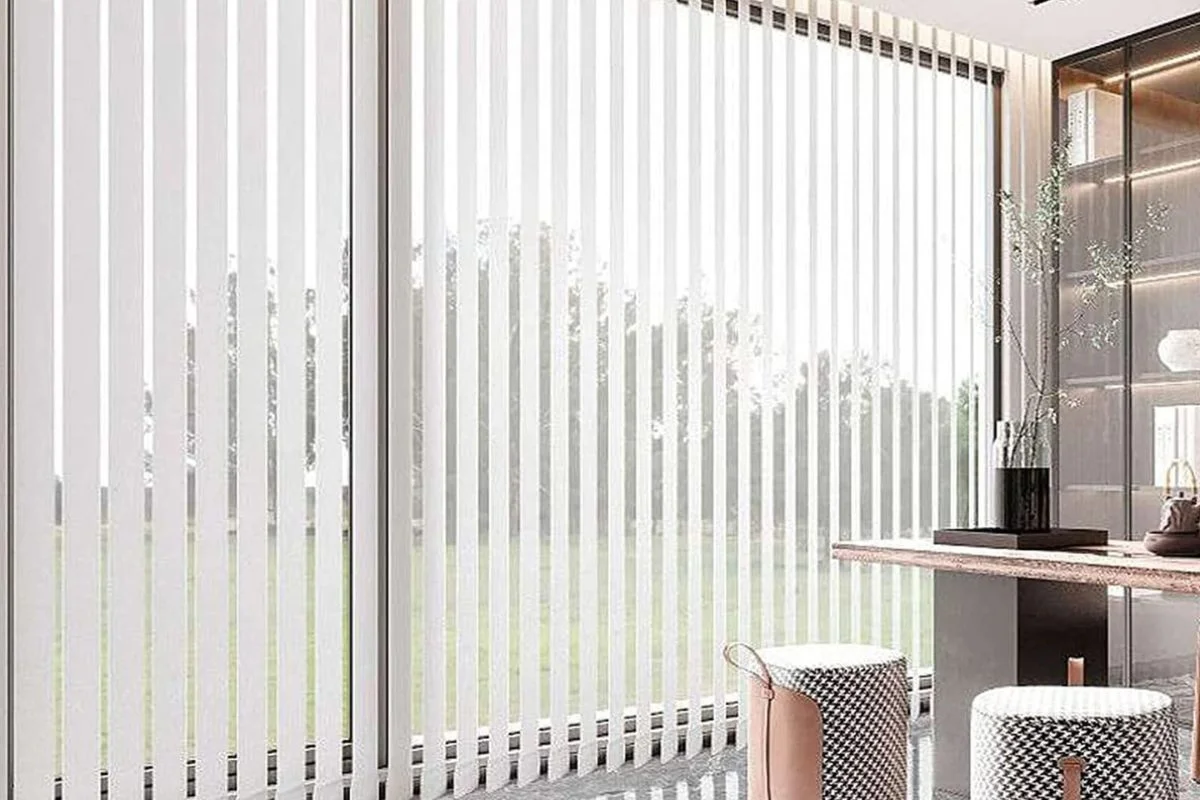
Style Consistency: Vertical blinds are great for large windows and conference rooms, while roller or Venetian blinds work well in open workspaces.
Light Control Needs: Opt for light-filtering blinds in open offices to maintain natural brightness, and blackout blinds in meeting rooms for presentations.
Design Harmony: Make sure the blinds complement your existing furniture, flooring, and wall colors to create a cohesive environment.
By carefully considering both design and practical needs, you can select blinds that not only serve their purpose but also elevate the overall look and feel of your office.
frequently asked questions about Choosing the Right Office Blinds
What type of blinds are best for office spaces?
Roller blinds, Venetian blinds, and vertical blinds are popular choices as they offer flexibility in light control, privacy, and professional aesthetics.
Are blackout blinds suitable for office environments?
Yes, but mainly in conference rooms, meeting areas, or spaces with projectors, where light control is essential. For open offices, light-filtering options are usually better.
How do blinds affect workplace efficiency?
The right blinds reduce glare on screens, control natural light, maintain privacy, and help regulate indoor temperature, all of which contribute to employee productivity.
Should I choose manual or motorized blinds for my office?
Manual blinds are cost-effective, while motorized blinds provide convenience, modern appeal, and ease of controlling multiple windows at once.
Do blinds help with energy efficiency in offices?
Yes. Quality blinds can block heat during summer and retain warmth in winter, reducing the strain on HVAC systems and lowering energy costs.
How do I choose blinds that match my office design?
Consider neutral or brand-inspired colors, sleek materials like aluminum or fabric, and styles that complement your workspace’s modern or traditional décor.
It is so easy to hang curtains with eyelets by right instruction as curtains are an essential part of any home décor. So pay attention to curtains Abu Dhabi is necessary for any homeowner. Twice check the width of your window to ensure that the width achieved is sufficiently large to cover the window until cords are removed to collect the heading tape. Pencil curtains are half the original width of their pre-collected when collected fully. This should be tested first because the curtain can’t be replaced unless the header tape is removed.
• Secure all strings at one end of the header tape after testing the width and being ready to connect. This is to ensure that when drawing them in, the cords do not disconnect from the header tape to create the gather.
• At the unsecured end, pull them gently through the loose cords. Seek to do this equally so the finished result is smooth to clear.
• If you’re satisfied with your curtain width and appearance, tie the cords. Should the width or appearance change do not cut the cords?
• Test to ensure that curtain hooks are also connected at equivalent distances for each curtain on the header section.
Beware of your Curtains
• Always check the curtains of your pencil pleats before pulling strings. Returns are unacceptable upon pulling the cords.
• Make sure they are separated from the window panel when hanging new curtains to avoid direct contact with the glass where condensation can occur.
• Before use and after dry cleaning, all curtains should be ventilated correctly.
• Often, new curtains have clear folds lined up from the package. These will drop as soon as the curtain hangs and the luster of the fabric returns.
• Please refer to the care label before ironing for any folding lines still visible after the curtain hangs a week, to prevent harm to your curtains.
• By running your fingers through the fabric, you can tease your curtains plates into position once you have hung.
• We would suggest fitting a track with a pull cord to prevent scratching velvets with unnecessary handling.
Clean your Curtains Carefully
• The directions may vary with your cloth or fabric so you can read carefully label instructions before washing.
• Ensure that all the parts are removed, and make sure that before washing even if your curtains are plates made of rock, you can break cords to clean the whole curtain.
Just loop the curtain pole over the curtain’s eyelets and do not loop outermost over the edge of the eyelet. This eyelet is attached to the outside of the frame and used to hold the pole against the wall or the ceiling. The curtain does not move all the way over the frame, connecting the eyelet outside the bracket.
They will naturally pluck into generous folds once they thread the eyelet curtains onto the curtain pole.
Any creases should drop as the air dries out of the fabric. Check your caring label if there are still plugs to see if and at which safe temperature the fabric may be ironed.
Conclusion
So now, you can hang your curtains so easily if you follow our guide step by step. For more information, you can visit Abu Dhabi curtain for more ideas about curtains.
What type of curtain rod should I use for eyelet curtains?
What type of curtain rod should I use for eyelet curtains?
When it comes to choosing the right curtain rod for eyelet curtains, the type of rod you select makes a big difference in both appearance and functionality. Eyelet curtains, also called grommet curtains, feature built-in metal rings at the top that slide directly onto the rod. This design eliminates the need for additional hooks or rings, creating a sleek, modern look with soft, uniform folds. Because of this, the rod itself plays a central role in the overall style.
The best choice for eyelet curtains is a round, pole-style curtain rod. The smooth, cylindrical shape allows the eyelets to glide easily when opening and closing the curtains, preventing snagging or uneven bunching. For durability and support, it’s recommended to choose a sturdy rod made of materials such as metal, wood, or even high-quality plastic, depending on the weight of the fabric.
frequently asked questions about How to Hang curtains
What are eyelet curtains?
A: Eyelet curtains, also known as grommet curtains, have metal rings at the top that slide directly onto a curtain rod, creating even pleats and a modern look.
What type of curtain rod should I use for eyelet curtains?
A: A round pole-style curtain rod works best, as it easily fits through the eyelets and allows smooth movement of the curtains.
How do I measure for eyelet curtains?
A: Measure the width of your window and multiply it by 1.5 to 2 times for fullness. For length, start from the top of the rod to your desired curtain drop.
Do eyelet curtains need hooks or rings?
A: No, eyelet curtains don’t need hooks or additional rings. The built-in eyelets slide directly onto the rod.
Can eyelet curtains be used with tracks instead of rods?
A: No, eyelet curtains are specifically designed for rods, not tracks, due to their grommet-ring system.
How do I ensure eyelet curtains hang neatly?
A: When sliding the curtains onto the rod, alternate the direction of the eyelets to create even, uniform pleats.
Are eyelet curtains suitable for all room styles?
A: Yes, they are versatile and complement both modern and traditional interiors depending on the fabric and design chosen.
We ‘re going to tell you at Abu Dhabi curtain that it’s all right, as long as you understand what you are doing. In an ideal world, you’ll start with a blank canvas when measuring for curtains, a window that doesn’t have a pole/rail up, but sometimes it’s already there, and you need to figure out what size to buy.
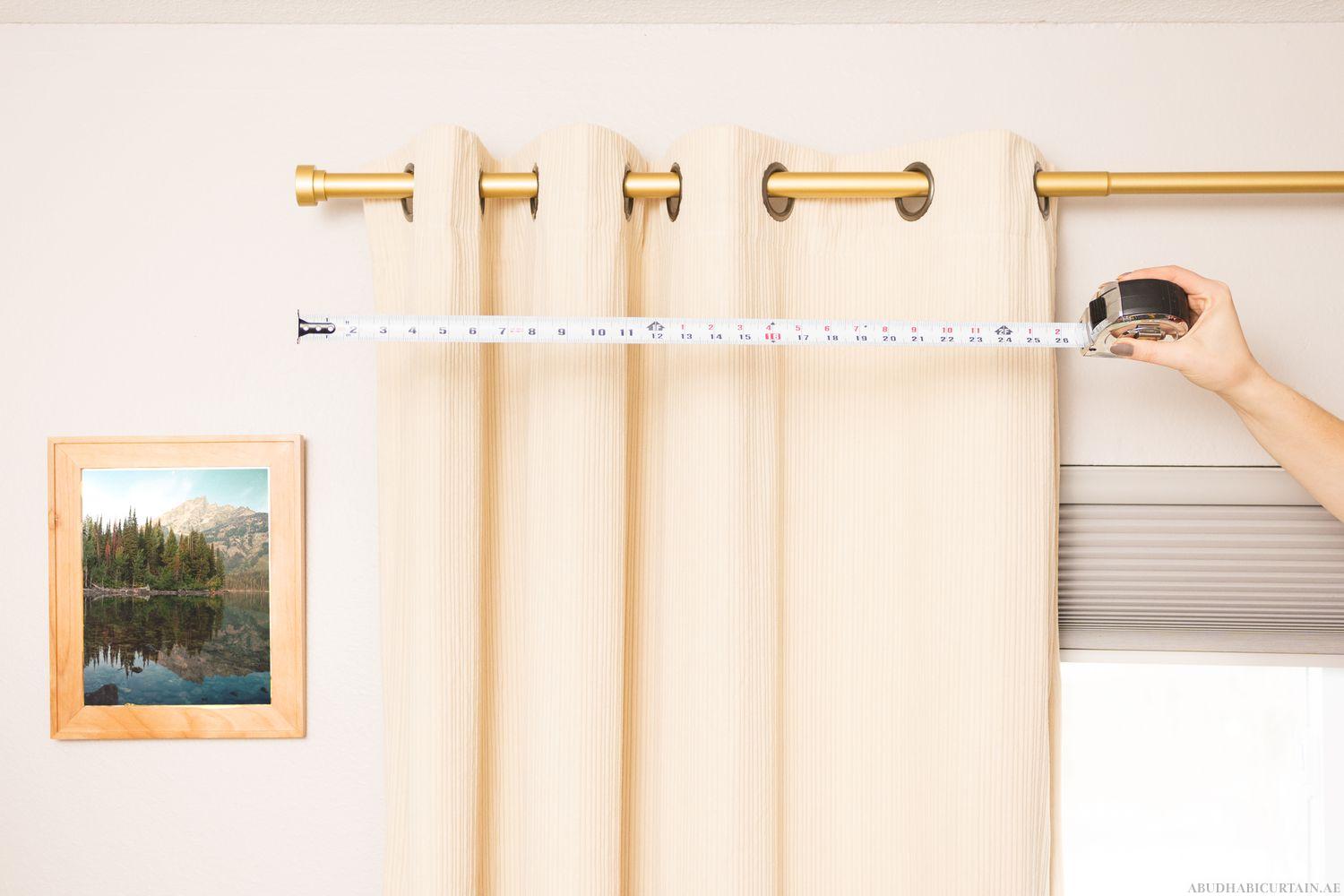
Since you can still keep a pole for your curtains, but if you hang your pole 235 cm off the ground, if the curtains only reach a drop of 229 cm, you’re pretty snooker. We’ll explain briefly what to do in-case, but first, let us give you some tips to live by when measuring your curtains When measuring curtains, then the first and most important tip is to use a metal measuring tape.
The suggestion you have is to use what you know when measuring for curtains; if you’re comfortable with inches, use inches. The poles and packed cabinets are all in size in inches and centimeters, so if you’re struggling our team can support you to convert.
Measuring With No Rail
Measure your window width over, from plaster to plaster, and from top to bottom. Instead, place either side of the window on 6 “(15 cm) above the window, and 6-10” (15-25 cm) to make the pole/rail height. It means you can clear your window and maximize the light in your home when the curtains are opened. The bigger the gap, the wider the pole is.
With A Pole Up Measuring
Calculate the pole’s width, not including the finishes (endings), if you have a pole up, calculate the drop from just below the pole to where you want the curtains dropped.
Rail Up Width Measuring:
If the rail-ups measure the width of the rail and any overlaps or returns, measure the descent from top to where the curtains want to be lowered. Then stop here with this information and visit your local shop, if you think of getting Custom-made curtains.
IF YOU WAY TO READY MADE CURTAINS THEN READ ON:
And now that we’ve worked out what size is likely to be our pole/rail, we need to find out what size curtains to purchase. You want the curtains to be about twice the width of your pole/rail without going into too much detail so that they are well collected and look their best.
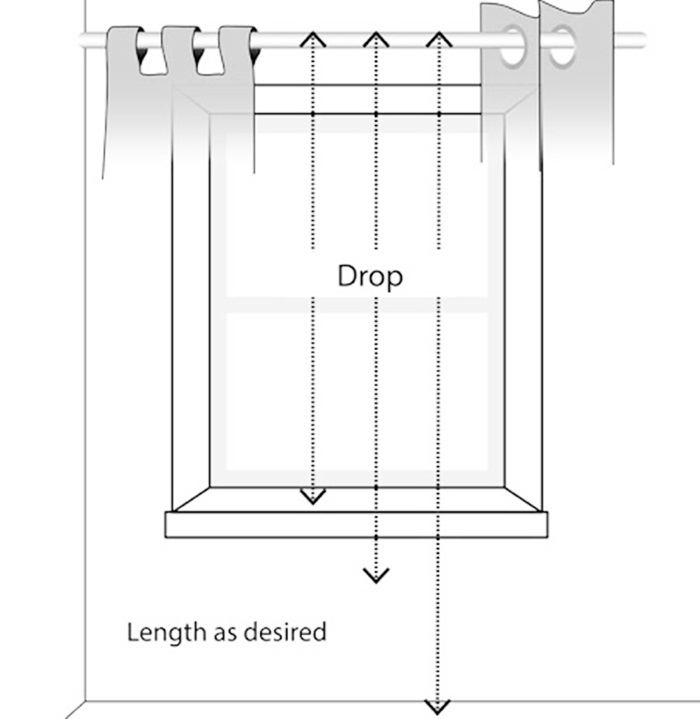
Use The Small Useful Diagram Below to See The Width:
The drop is a much easier prospect now that you know the width, you either hang your curtains up to the radiator or the floor just below the windowsill. We’ve listed the regular sizes in the chart below for Curtains Abu Dhabi, so it’s just a matter of choosing the one is closest to the drop you want.
Estimated width over = 43 “(109 cm)
The go down = 34.5 “(88 cm)
We estimate that adding 6 “(15 cm) each side should be 55” (139 cm) wide and adding 6 “(15 cm) above we get 40.5” (103 cm).
Our curtains should, therefore, be 66 “x 54” (167 cm x 137 cm) through the above charts, and you got it there!
Conclusion
Now you know what size you need to shop our magnificent Ready Made Curtains Range.
Where do I start when measuring curtains?
Where do I start when measuring curtains?
When measuring curtains, the first step is to decide how and where you want the curtains to hang, as this will guide all your measurements. Some people prefer curtains that sit just above the window frame, while others choose to place the rod higher and wider than the frame to make the window look larger and more elegant.
Here’s a quick guide to get started:
Decide curtain placement: Choose whether the rod will be installed on the window frame, just above it, or higher up on the wall for a dramatic effect.
Measure the rod or track, not the window: Curtain measurements should be based on the width and position of the rod or track, since that’s where the fabric will hang.
Determine the desired drop (length): Decide if you want sill-length, below-sill, or floor-length curtains before taking measurements.
Install the rod first if possible: This ensures your measurements are accurate and tailored to the exact positioning.
Starting with placement ensures your curtains not only fit but also achieve the style and look you want for your space.
frequently asked questions about Measure Curtains
Where do I start when measuring curtains?
Start by deciding whether you want your curtains to hang inside the window frame, just above it, or higher for a more dramatic effect. This determines where you’ll measure from.
How do I measure the width for curtains?
Measure the width of your curtain rod or track, not the window itself. For a full look, multiply the width by 1.5 to 2 times to determine the ideal curtain width.
How do I measure the length (drop) of curtains?
Measure from the top of the rod (or track) down to your preferred curtain length—sill, below the sill, or floor length. Always add a few extra centimeters for accuracy.
Should I measure before or after installing the curtain rod?
It’s best to install the rod first and then measure from its position to ensure accuracy and proper curtain fit.
What’s the difference between measuring for eyelet curtains and pleated curtains?
Eyelet curtains require you to measure from the top of the rod, while pleated curtains are usually measured from the track or hooks, depending on the heading style.
How much extra fabric should I allow for fullness?
Curtains typically look best with 1.5x to 2x the width of the window for fullness. Heavier fabrics may need less, while lighter fabrics may need more.