Category: Curtains

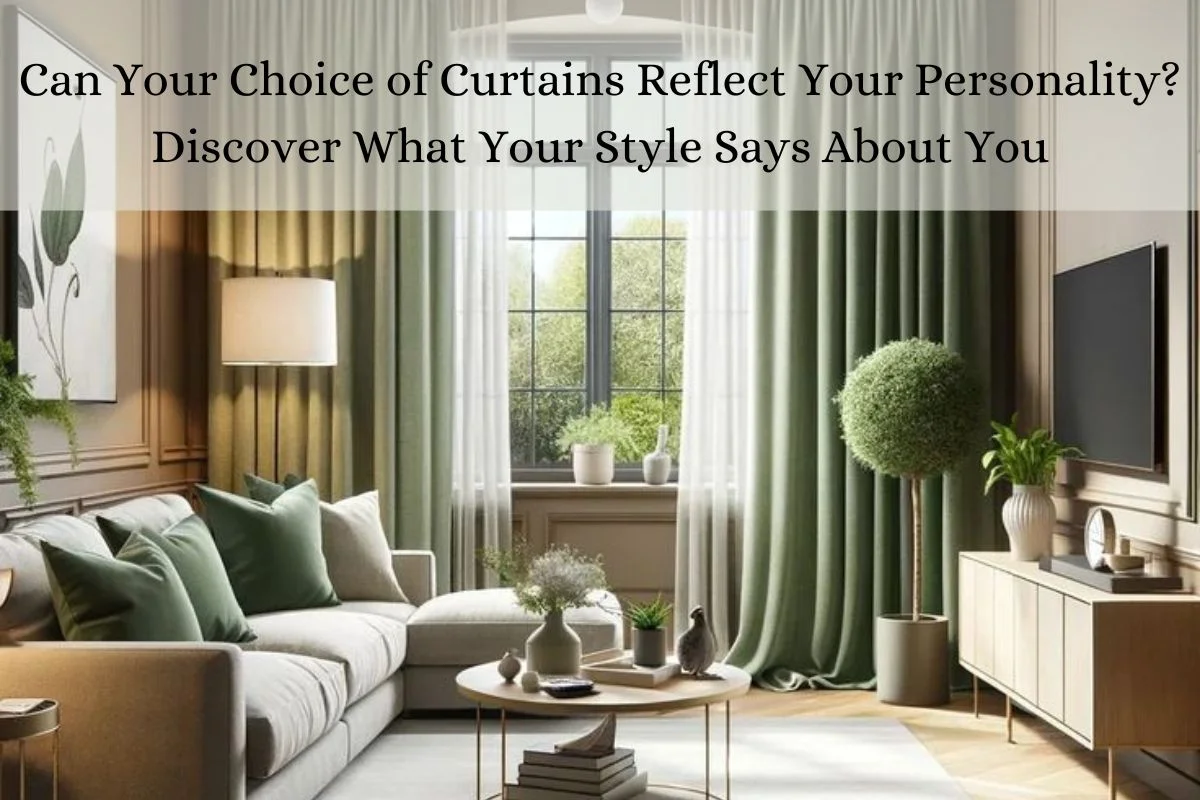
  • Can Your Choice of Curtains Reflect Your Personality? Discover What Your Style Says About You

    Can Your Choice of Curtains Reflect Your Personality? Discover What Your Style Says About You

    Can Your Choice of Curtains Reflect Your Personality Discover What Your Style Says About You

    Home décor isn’t just about making your living space look good—it’s a reflection of who you are. From the paint on your walls to the shape of your furniture, every element reveals a bit about your personality. Curtains, often overlooked, play a pivotal role in this narrative. The way they hang, their colors, patterns, and even the material can speak volumes about your preferences, priorities, and lifestyle. Are you someone who leans toward luxury, or do you prioritize simplicity? Do bold designs attract you, or is minimalism more your vibe? In this blog, we’ll explore how your choice of curtains mirrors your personality. Whether you’re a fan of dramatic velvets, playful patterns, or understated neutrals, there’s more to curtains than meets the eye. Ready to discover what your style says about you? Let’s pull back the drapes and dive in!

    The Psychology of Color in Curtains

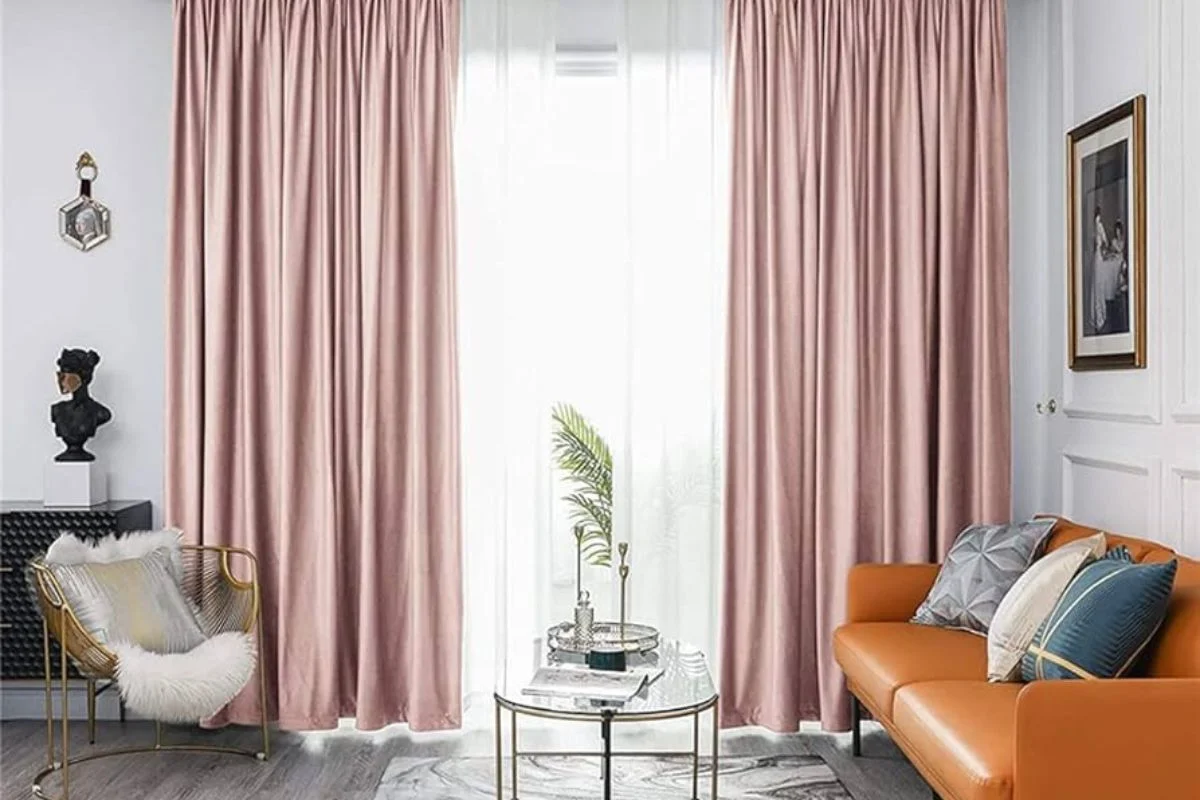
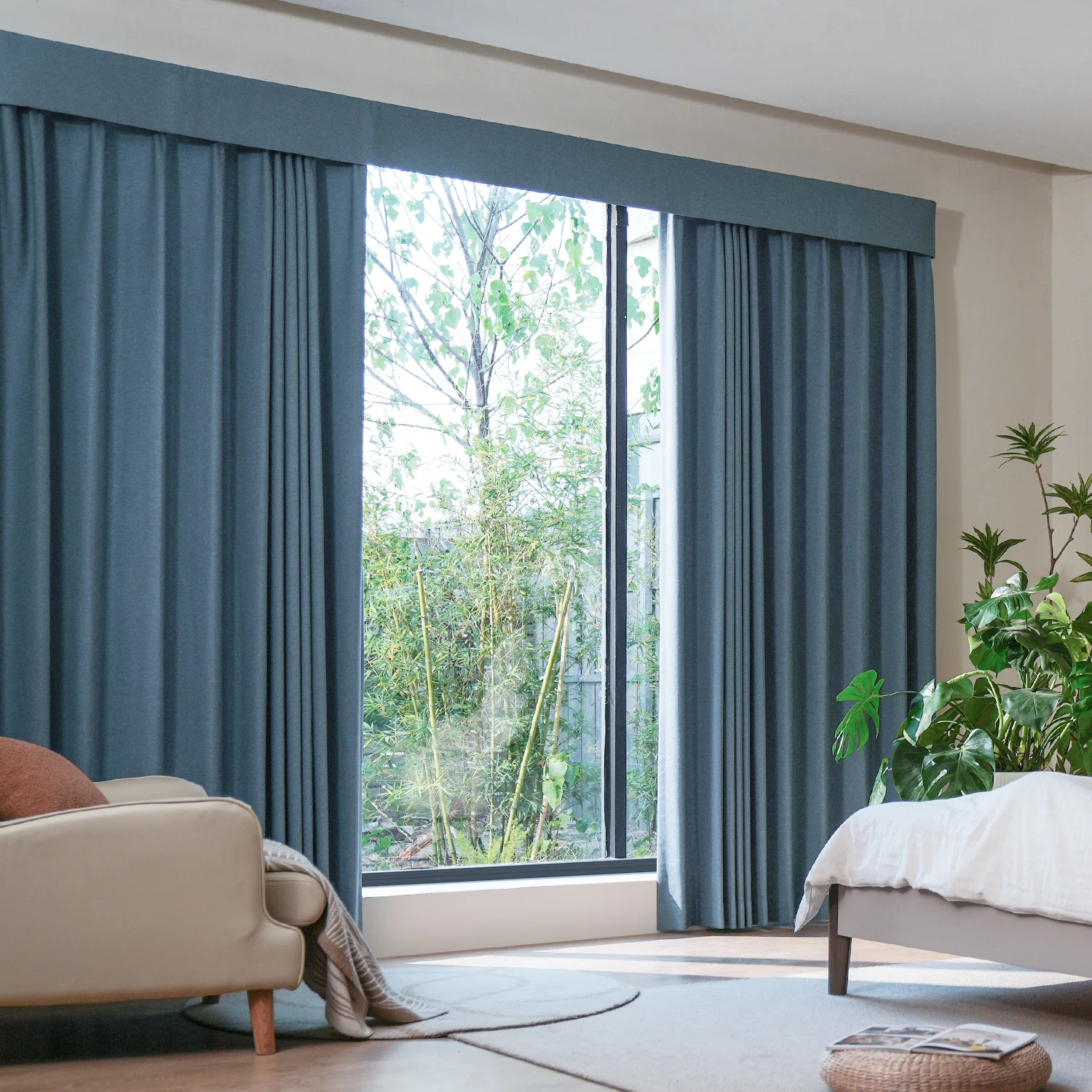
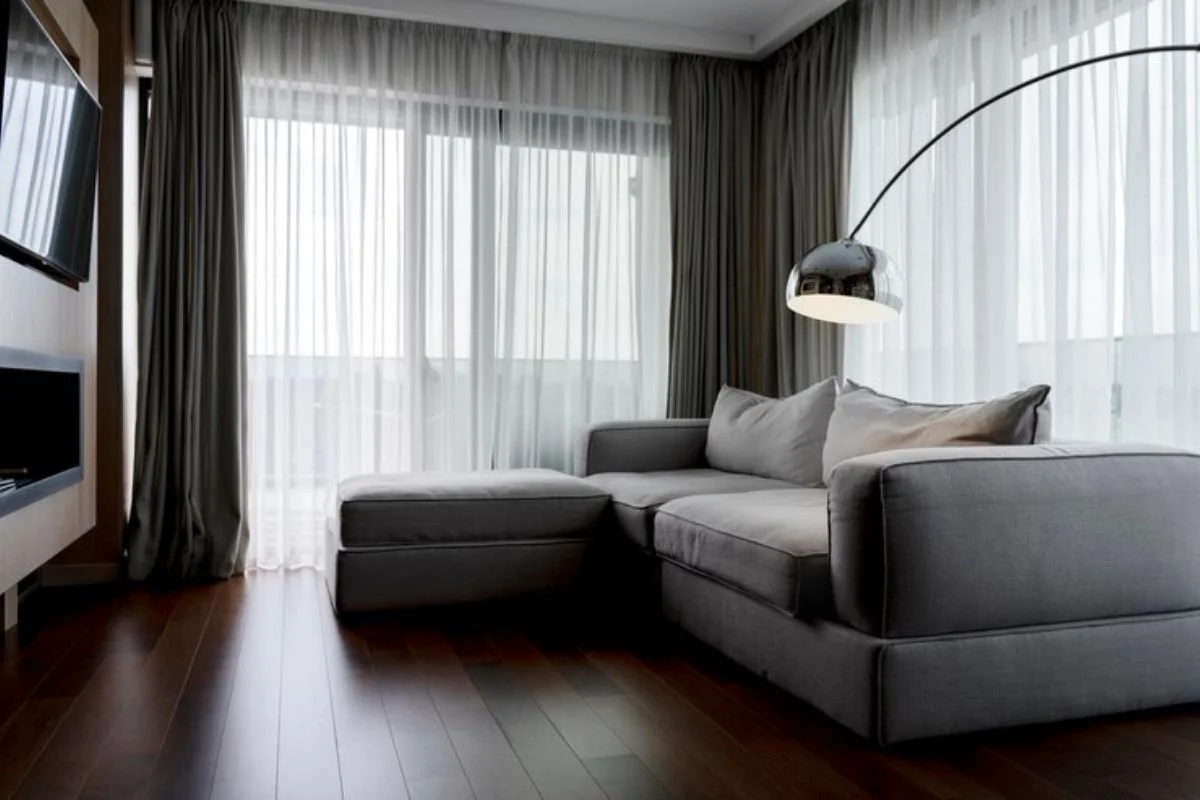
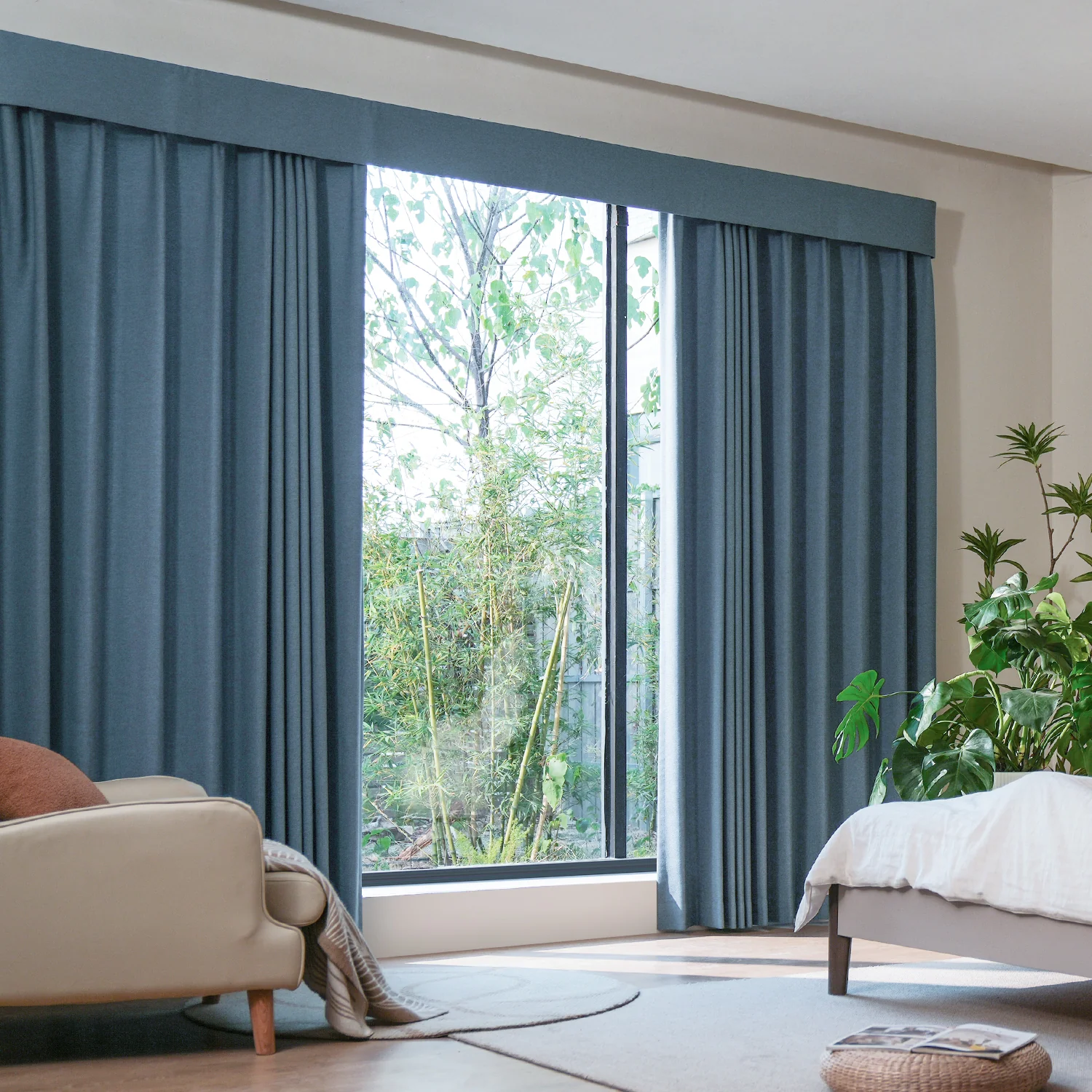
    Colors influence mood and reflect personality, making them a significant aspect of curtain selection. Blue curtains, for example, often indicate a calm and dependable personality. Those who choose blue tend to value serenity and stability in their environment. Yellow curtains, on the other hand, are for the optimists and creatives—people who love to radiate positivity and welcome a cheerful atmosphere. Bold red curtains speak to passionate, confident individuals who love to make a statement. Neutral tones like beige or gray reflect a classic, sophisticated, and practical personality. These choices often appeal to those who appreciate timeless elegance. Meanwhile, vibrant, unconventional colors like purple or teal are chosen by people who enjoy standing out and embracing their individuality. By simply observing the colors of your curtains, one can gain insights into your emotional inclinations and personal style preferences.
    Curtains

    Fabric Choices and Personality

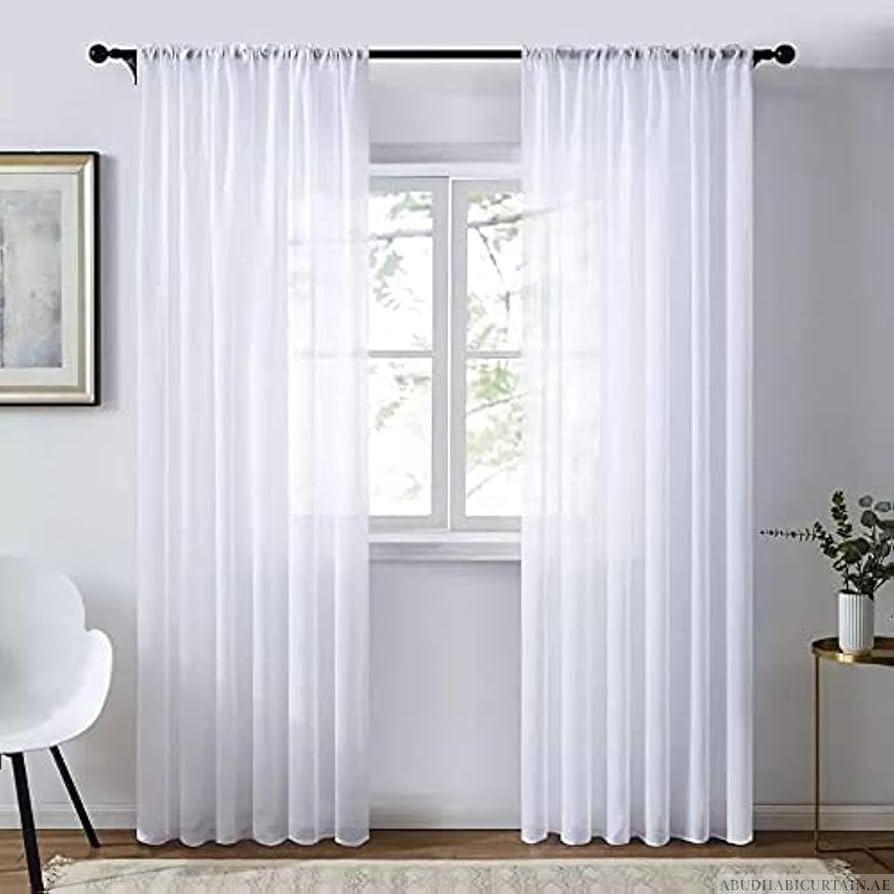
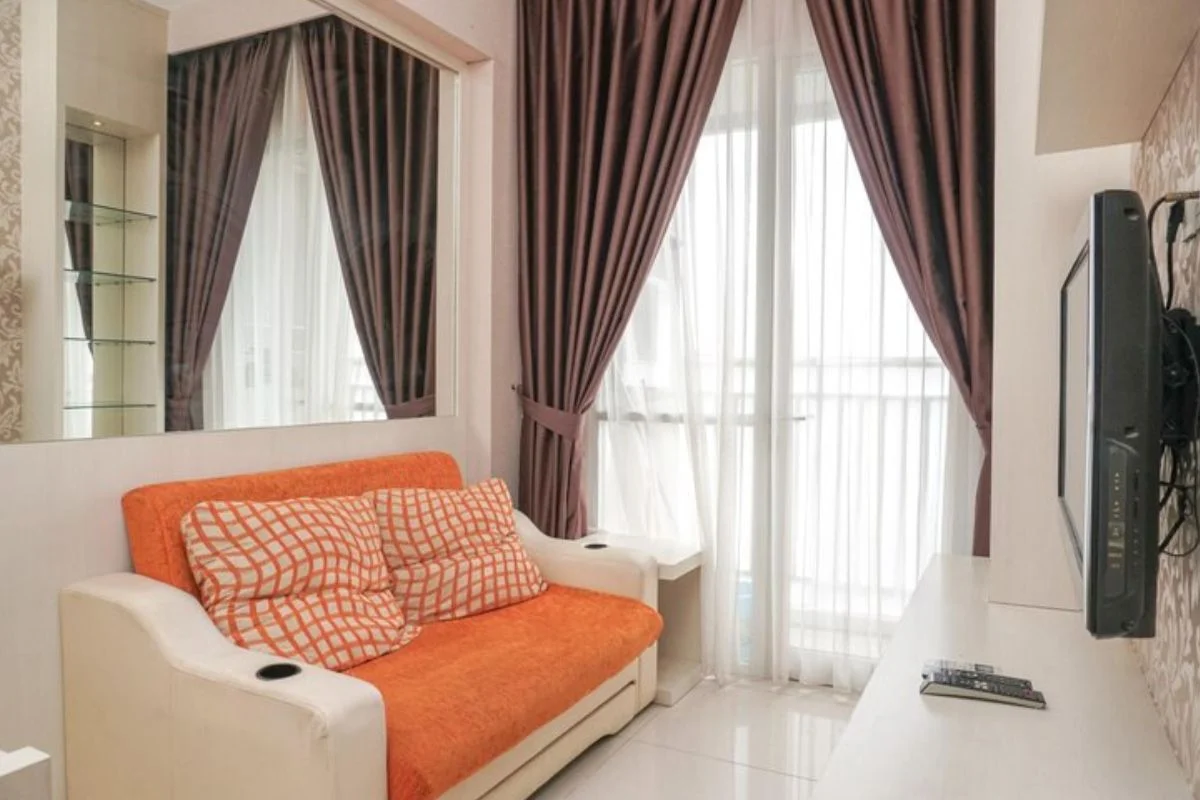
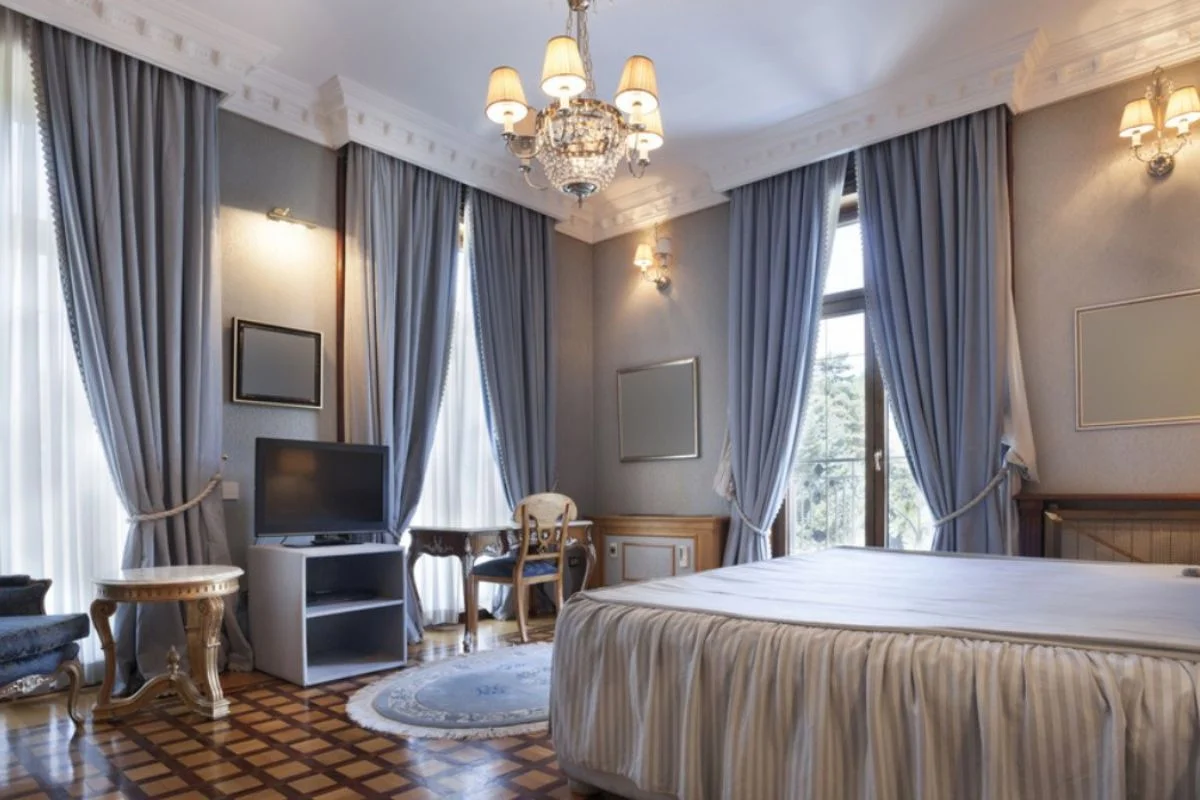
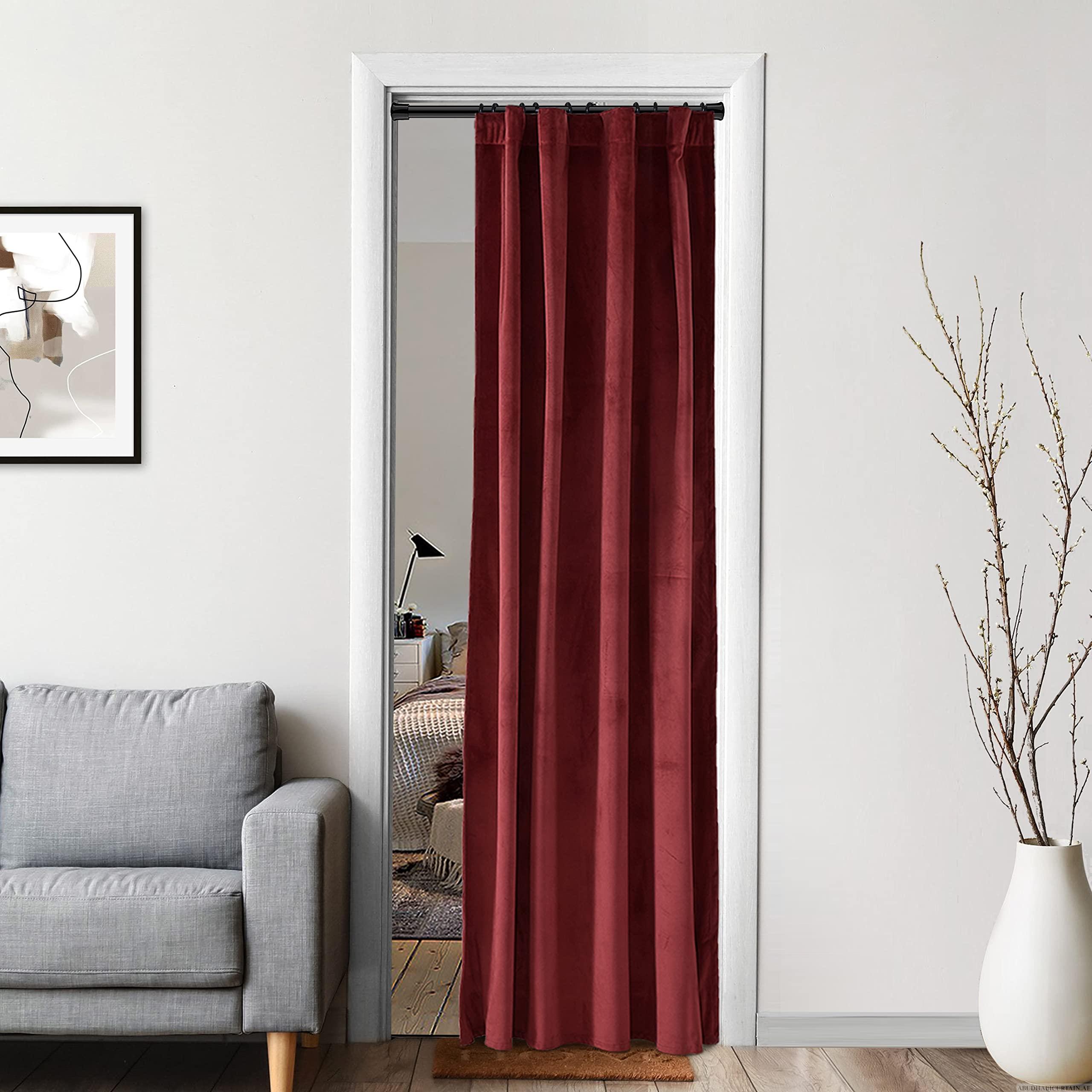
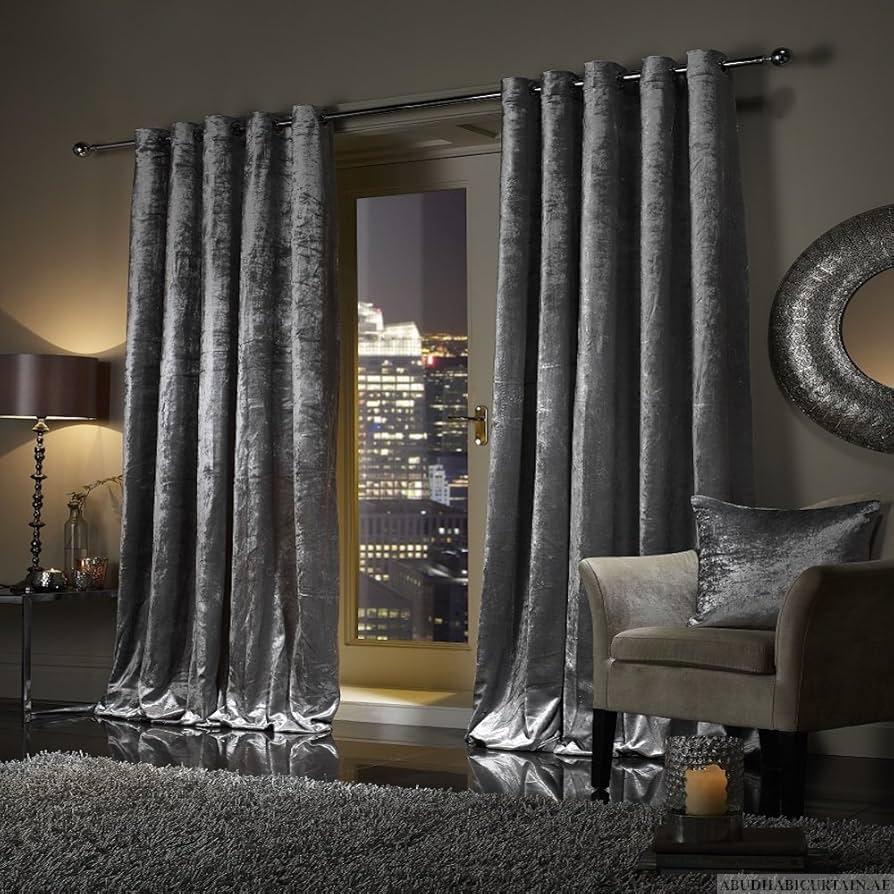
    The fabric of your curtains is another clue to your personality. Velvet curtains exude luxury, drama, and confidence—perfect for someone who loves to make a bold, opulent statement. Sheer curtains, on the other hand, reveal a lighthearted, minimalist personality, someone who values openness and simplicity. Practical individuals often gravitate towards cotton or linen, as these fabrics are approachable, versatile, and durable. Silk curtains indicate a refined and sophisticated personality, often chosen by those who enjoy elegance and tradition. Leather or faux leather curtains might be the choice of someone who values edginess and modernity. Each fabric not only serves a practical purpose but also makes a personal statement. Whether it’s comfort, extravagance, or modernity you prioritize, your curtain fabric is a tactile and visual representation of your lifestyle and aesthetic preferences.

    Patterns and Prints: Expressing Individuality

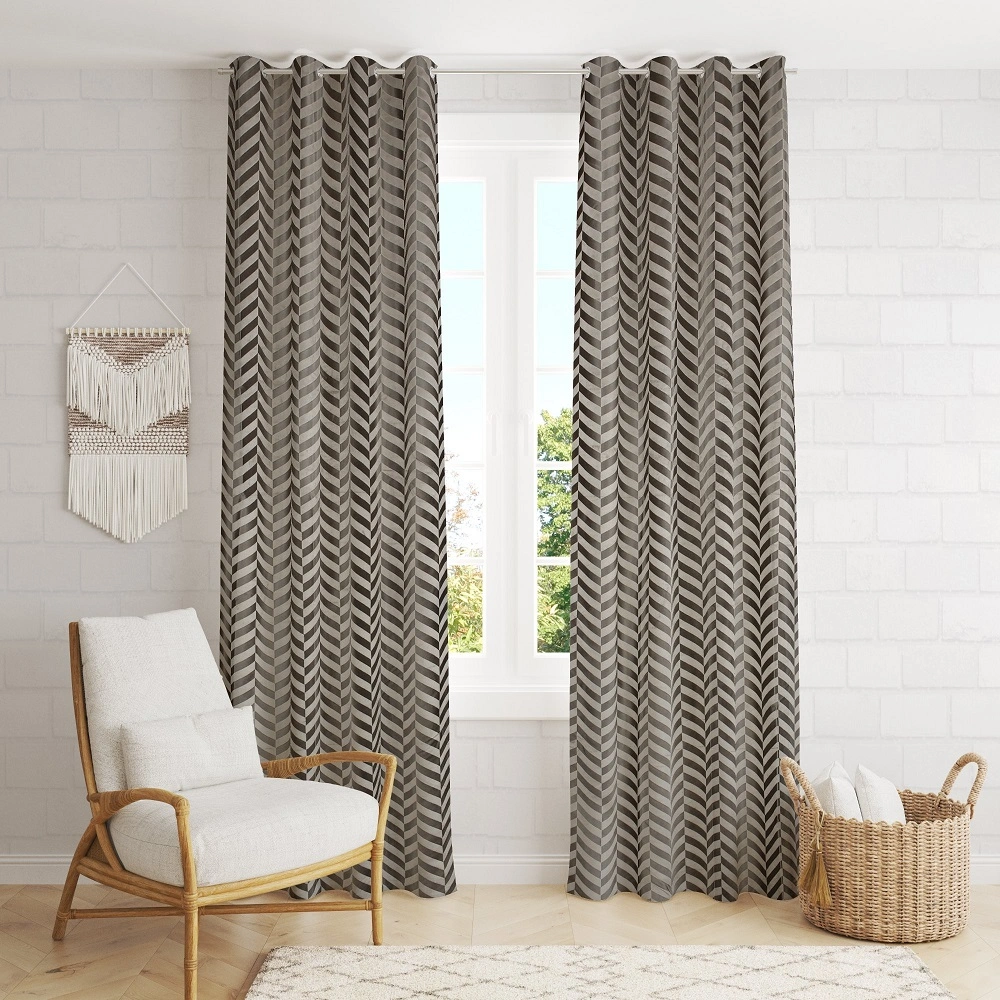
    Patterns and prints allow you to inject personality into your home décor. Bold, eye-catching patterns like abstract art or animal prints suggest an adventurous and creative spirit—someone unafraid of making a statement. Floral designs, on the other hand, reflect a romantic, nostalgic personality, often chosen by those who appreciate classic beauty and a touch of whimsy. Geometric prints indicate a modern, structured personality, appealing to those who love order and precision. Meanwhile, plain or solid curtains often reflect a classic and understated personality, someone who prefers simplicity and timeless elegance over fleeting trends. Patterns can also reveal specific interests, such as coastal themes for someone who loves the beach or intricate ethnic patterns for those who embrace their cultural heritage. Ultimately, the prints and patterns you choose serve as a canvas to showcase your unique character and preferences.

     Curtain Lengths and Their Implications

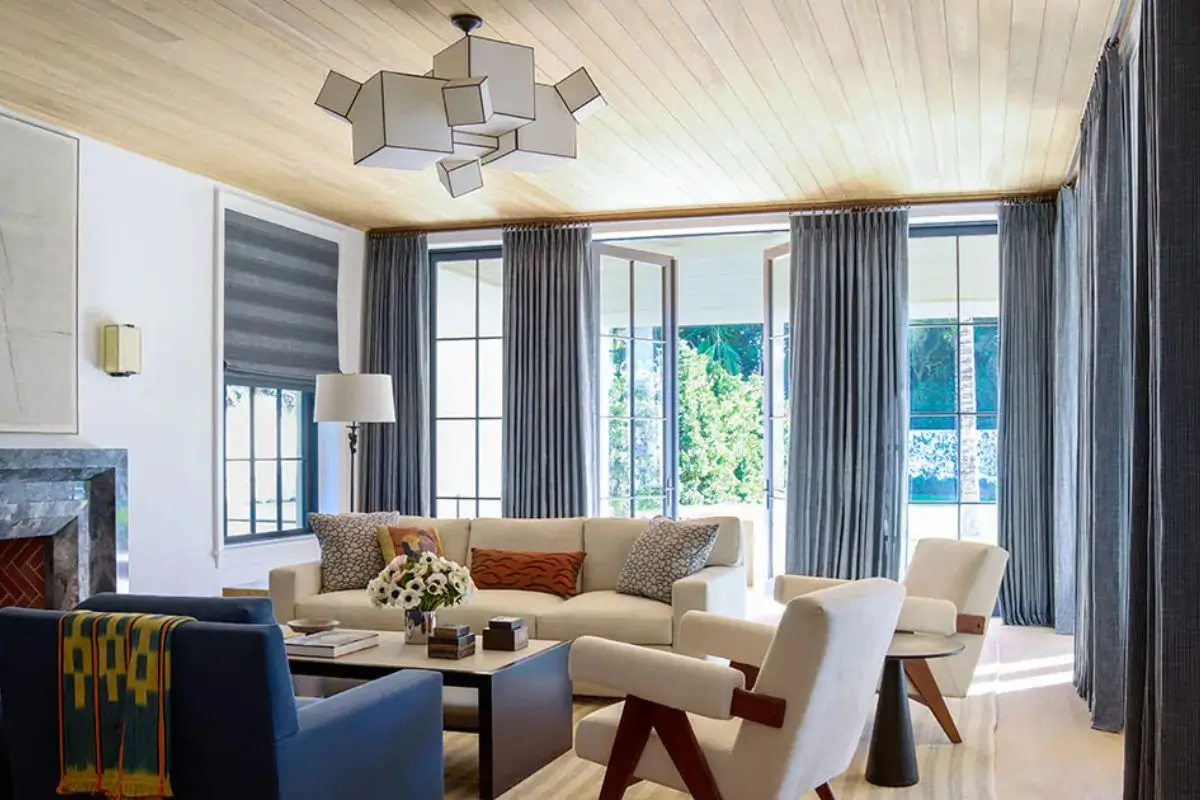
    Curtain length can also say a lot about your personality and style. Full-length curtains that extend to the floor are often chosen by those who value elegance and grandeur. These individuals appreciate a polished, sophisticated look and aren’t afraid to embrace a bit of drama. Mid-length or café curtains suggest a casual, laid-back personality. They’re practical yet charming, reflecting someone who values a balance between function and aesthetics. Floor-pooling drapes, which deliberately spill onto the floor, are a hallmark of opulence and dramatic flair. They reflect a bold, confident personality that loves to make an impression. In contrast, short curtains or blinds appeal to those who prioritize practicality and minimalism, often indicative of a no-nonsense, efficient approach to life. Whether you prefer grandeur or simplicity, the length of your curtains speaks volumes about your aesthetic sensibilities.

     The Role of Curtain Accessories

    Accessories like tiebacks, tassels, and valances add personality to your curtains. Tiebacks and tassels suggest a love for glamorous or playful accents, often chosen by those who enjoy a touch of elegance or whimsy. Valances and cornices, which add decorative flair at the top of curtains, reflect a traditional and detail-oriented personality. They’re often preferred by individuals who appreciate classic styles and symmetry. Minimal or no accessories, on the other hand, indicate a modern, streamlined personality, someone who values simplicity and functionality over embellishment. Even the choice of curtain rods—sleek metal vs. ornate wooden—can hint at your design preferences. Accessories may seem minor, but they play a significant role in customizing your space and adding layers of meaning to your décor. They’re the finishing touch that transforms curtains from functional pieces to true reflections of your personal style.

    Functionality Reflecting Lifestyle Choices

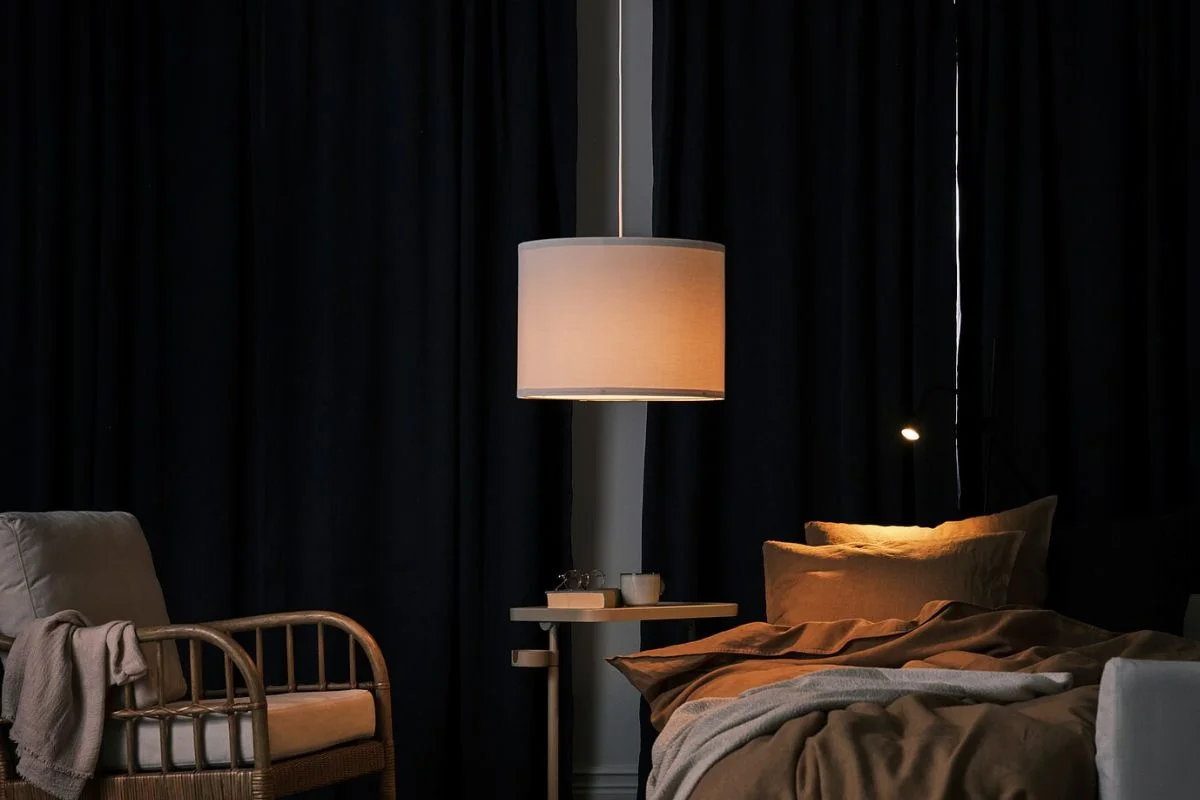
    The functionality of your curtains often mirrors your lifestyle and priorities. Motorized curtains, for instance, are a favorite among tech-savvy individuals who value convenience and modernity. These curtains reflect a personality that embraces innovation and efficiency. Blackout curtains are often chosen by those who prioritize rest, privacy, and control over their environment, such as light-sensitive sleepers or parents of young children. Light-filtering curtains, which allow soft natural light to filter in, appeal to people who love balance—someone who appreciates sunlight but also values comfort. Thermal or energy-efficient curtains reflect a practical, eco-conscious personality that values sustainability. The functionality of your curtains isn’t just about utility; it’s a statement about what you value most in your daily life, from comfort and convenience to environmental responsibility.

     Cultural Influences in Curtain Choices

    Cultural heritage often shapes curtain preferences, reflecting deep-rooted values and aesthetics. For example, intricate patterns and vibrant colors are popular in Eastern cultures, showcasing a love for rich traditions and bold expressions. Minimalist Scandinavian styles, on the other hand, emphasize simplicity and functionality, appealing to those who value modernity and balance. Japanese-inspired shoji screens reflect a zen-like appreciation for harmony and nature. In Mediterranean regions, light, airy fabrics are common, reflecting a love for sunlight and breezy aesthetics. Cultural influences not only impact curtain design but also the materials used, such as organic fibers in eco-conscious communities. Incorporating cultural elements into curtain choices allows individuals to express their identity and connect with their roots. Your curtains can tell a story about where you come from and the traditions you cherish.
    Curtains

    Seasonal Updates: Reflecting Adaptability

    Updating curtains seasonally reflects a versatile and adaptive personality. Switching to heavier drapes in winter suggests a practical and cozy approach, prioritizing warmth and comfort. In summer, light and airy fabrics like sheer or linen curtains indicate a desire for freshness and openness. Those who embrace seasonal updates often enjoy change and aren’t afraid to experiment with new looks. They value the dynamic nature of their living space, ensuring it evolves with the seasons. Seasonal curtain changes also show a keen eye for detail and a willingness to invest in creating a harmonious environment. From festive patterns during holidays to pastel tones in spring, your ability to adapt your curtains to seasonal needs reflects creativity and attentiveness, showcasing a love for living in sync with nature’s rhythm.

    The Balance Between Aesthetics and Practicality

    How you balance aesthetics and functionality in your curtain choices says a lot about you. Some people prioritize beauty, choosing intricate designs or luxurious fabrics even if they’re less practical. This reflects a personality that values creativity and self-expression. Others lean towards functionality, selecting durable, easy-to-maintain curtains that meet their daily needs. These individuals are pragmatic and goal-oriented. A perfect balance of both—aesthetic yet functional curtains—reflects a personality that appreciates harmony and efficiency. Eco-conscious individuals might choose sustainable materials, blending practicality with environmental responsibility. Whether you lean more toward style or utility, your choice reveals your values and priorities. Curtains are more than just window coverings; they’re a reflection of how you approach life—practical, artistic, or a mix of both.

    Conclusion

    Your choice of curtains is more than just a practical decision—it’s a window into your personality, preferences, and lifestyle. From colors and fabrics to patterns, lengths, and accessories, every detail reveals a bit about who you are. Bold prints and dramatic lengths reflect confidence and flair, while neutral tones and simple designs hint at a love for timeless elegance. The functionality of your curtains, whether it’s motorized convenience or blackout practicality, showcases your priorities and values. Even cultural influences and seasonal updates tell a story about your adaptability and connection to traditions.
    Do neutral curtains reflect a particular personality trait?
    Do neutral curtains reflect a particular personality trait?

    Do neutral curtains reflect a particular personality trait?

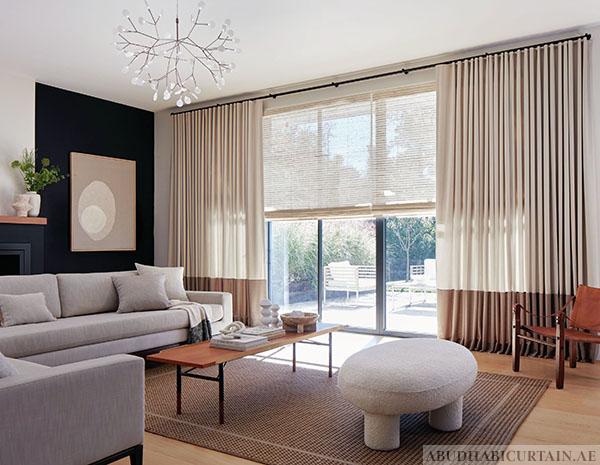
    Neutral curtains often do reflect particular personality traits, as they tend to convey a sense of calmness, simplicity, and balance. People who choose neutral tones like beige, white, cream, or soft grey usually appreciate a minimalist aesthetic and prefer a timeless, versatile look that doesn’t overpower a room.

    Here are some traits commonly associated with neutral curtain choices:

    • Practicality: Neutral colors are easy to match with any décor, showing a practical and thoughtful approach.
    • Elegance: Choosing soft, understated shades often reflects a refined and classic taste.
    • Calmness: Neutral tones suggest a preference for peaceful, uncluttered spaces.
    • Adaptability: People who select neutral curtains often value flexibility, as these shades work with evolving interior styles.

    In short, neutral curtains typically reflect a personality that values simplicity, harmony, and timeless beauty.

    frequently asked questions about Can Your Choice of Curtains Reflect

    Can curtains really reflect my personality?

    Yes. The colors, patterns, and fabrics you choose for your curtains can reveal a lot about your personal style, mood, and even lifestyle preferences.

    What do bold-colored curtains say about me?

    Bold and vibrant curtain colors often reflect confidence, energy, and a lively personality that enjoys making a statement in home décor.

    Do neutral curtains reflect a particular personality trait?

    Neutral tones like beige, white, or grey usually suggest a calm, minimalist, or practical personality that values simplicity and elegance.

    How does fabric choice relate to personality?

    Luxurious fabrics like velvet or silk can reflect sophistication and a love for elegance, while natural fabrics like linen or cotton often show a preference for comfort and eco-friendly living.

    Can curtain patterns reflect mood or creativity?

    Yes. Geometric or artistic patterns often show creativity and a bold personality, while plain curtains may reflect a preference for balance and simplicity.

    Should I choose curtains based on my personality or interior style?

    Ideally, both. Curtains can express your personality while blending seamlessly with your home décor for a balanced look.
  • The Most Popular Curtain Styles This Year and How to Choose the Right One for Your Space

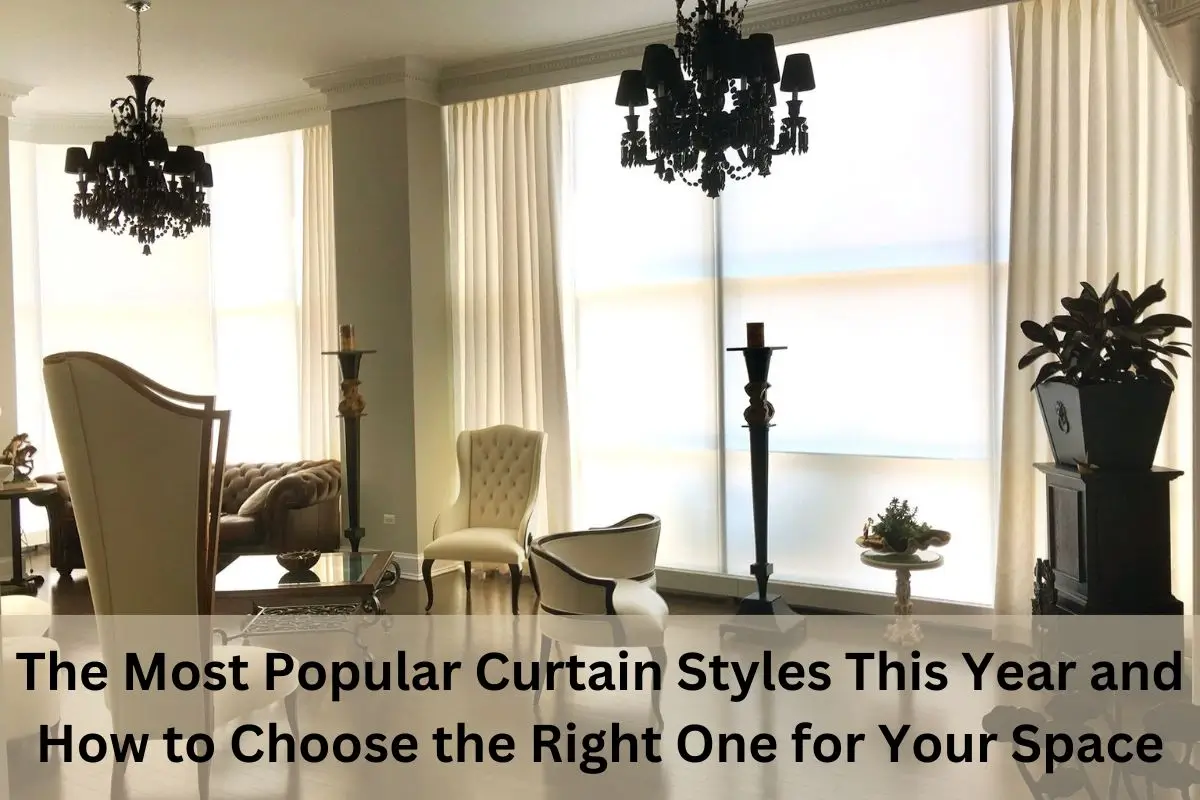
    The Most Popular Curtain Styles This Year and How to Choose the Right One for Your Space

    curtain

    Curtains play a pivotal role in shaping the look and functionality of any room. This guide provides key insights into this year’s top curtain styles and practical advice to help you select the perfect fit for your space.

    Discover the Top Curtain Trends of the Year

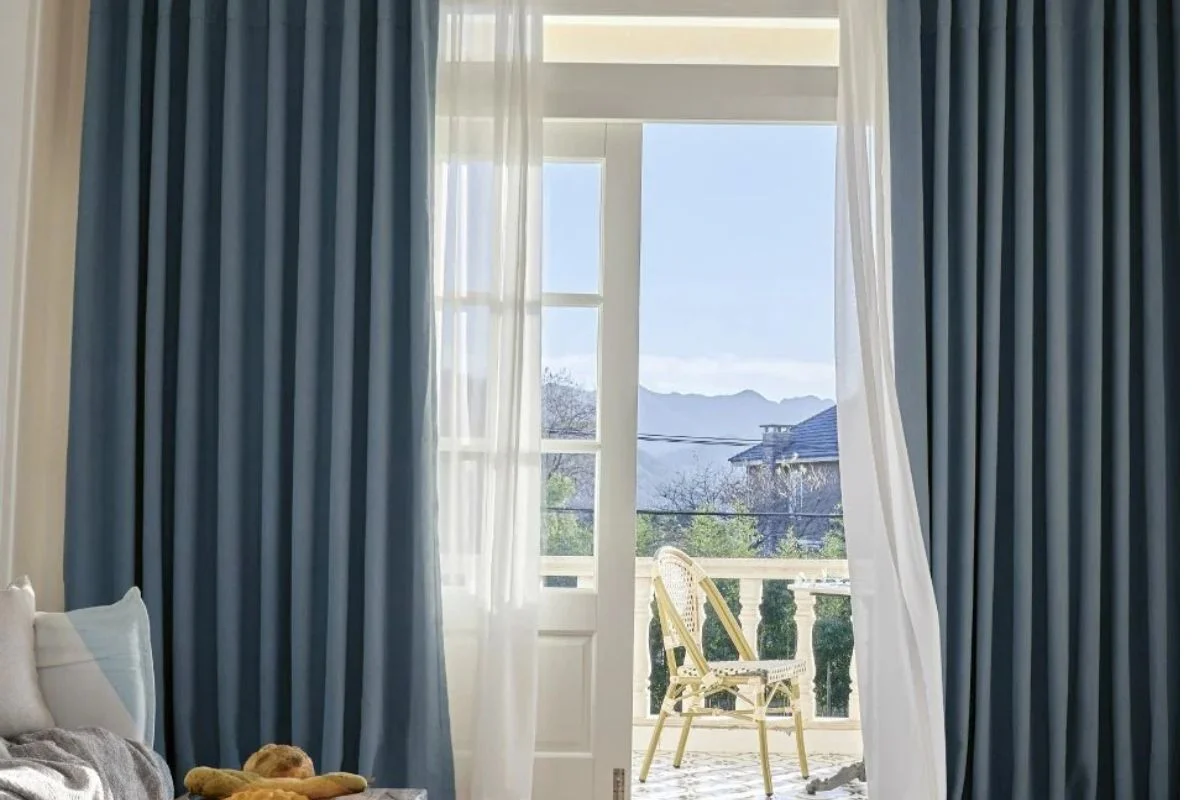
    This year, curtain trends prioritize both aesthetics and practicality. Minimalist sheer curtains remain popular for their airy and open feel. Velvet curtains offer sophistication and warmth, perfect for formal spaces. Bold, patterned curtains make statements and add personality to neutral rooms. Eco-friendly curtains reflect the growing trend toward sustainable living, appealing to eco-conscious consumers. Layered curtains, combining sheer and blackout elements, provide versatility. Finally, smart curtains that can be controlled remotely bring convenience and a modern touch to home décor.

    Key Factors to Consider When Selecting a Curtain Style

    Choosing the right curtain style requires evaluating your space’s needs. The function of the room is essential: blackout curtains are great for bedrooms where darkness promotes better sleep, while sheer curtains suit living areas where natural light is welcome. Lighting needs should influence your choice; opt for heavier fabrics for more privacy or lighter materials for brighter spaces. Your existing interior design style also matters—minimalist curtains fit modern rooms, while rich, textured curtains suit traditional or luxurious spaces. Fabric weight should align with practical needs, such as insulation or sound reduction.

    Practical Tips for Finding the Perfect Curtains

    Accurate measurements are essential for a seamless fit. Measure your window’s width and height, adding extra for fullness. For a cohesive look, choose curtain colors that blend with or contrast the room’s palette for visual interest. The type of installation also matters—consider grommets for a modern touch or rod pockets for simplicity. Think about how your curtain style complements your décor and ensures it meets both functional and design needs. This approach helps achieve a polished look that’s tailored to your room’s specific requirements.

    curtain

    Adapt Your Curtains for the Seasons

    Seasonal changes impact curtain choices. In summer, lightweight materials like cotton or linen help maintain a cool, breezy atmosphere. Sheer curtains are ideal for warm months as they allow light and airflow. For colder seasons, consider heavy fabrics like velvet or thermal-lined curtains that offer insulation and warmth. This seasonal adaptability ensures comfort and enhances your space year-round without compromising on style or functionality. Choose materials that can be switched easily to create a seamless transition between different times of the year.

    Stylish Curtains on a Budget

    Achieving a stylish look with curtains doesn’t require a high budget. Ready-made curtains are affordable and come in various attractive designs. Shop during sales or at discount home décor stores to find high-quality options at lower prices. DIY solutions, such as purchasing fabric and sewing your curtains, allow for customization while being cost-effective. Stick to simpler styles without unnecessary embellishments to save money. Prioritizing essential features over trends helps maintain an affordable yet chic space that meets your needs without overspending.

    curtain

    Maintenance Tips for Long-Lasting Curtains

    Choosing easy-to-maintain curtains ensures they stay in top condition for longer. Machine-washable materials are ideal for convenience, while fabrics like cotton and polyester blends offer durability and simplicity. Regular dusting or vacuuming prevents buildup, especially in areas prone to dirt. Fabrics that are fade-resistant or stain-resistant are perfect for high-traffic areas or rooms with direct sunlight exposure. Select materials based on your lifestyle and cleaning preferences to balance aesthetic value with practicality, ensuring your curtains maintain their look and function over time.

    Custom vs. Ready-Made Curtains: Which is Right for You?

    Custom-made curtains provide a tailored fit, unique fabric choices, and bespoke designs that perfectly match specific needs. However, they come at a premium price. Ready-made curtains are more affordable and accessible, offering a variety of styles and sizes suitable for most windows. They’re ideal for quick updates and budget-friendly makeovers. Deciding between custom and ready-made options depends on your budget, timeline, and whether you prioritize a perfect, unique fit or convenience and cost-effectiveness.

    Conclusion

    Selecting the right curtain style enhances your home’s overall look and feel. By understanding current trends, assessing the room’s purpose, and considering factors such as budget and maintenance, you can make an informed decision. A well-chosen curtain balances function, style, and comfort, transforming your space to reflect your personal taste while serving practical needs.

    What are the most popular curtain styles this year?
    What are the most popular curtain styles this year?

    What are the most popular curtain styles this year?

    Curtains are no longer just a way to block sunlight or add privacy—they have become a central element of interior design that can completely transform the atmosphere of a room. Every year, new trends emerge that reflect broader lifestyle shifts, whether it’s a growing demand for sustainability, a love for bold self-expression, or the embrace of technology in everyday living. In 2025, curtain styles combine elegance, practicality, and innovation, allowing homeowners to create spaces that are both stylish and functional. From eco-friendly fabrics to smart motorized systems, the choices are more exciting and versatile than ever.

    Here are the most popular curtain styles this year:

    • Eco-Friendly and Sustainable Fabrics – Curtains made from organic cotton, linen, hemp, and recycled materials are in high demand, appealing to environmentally conscious homeowners.
    • Bold Patterns and Vibrant Colors – Large floral prints, geometric patterns, and rich jewel tones like emerald green, burgundy, and sapphire are making bold statements.
    • Textured and Layered Fabrics – Combining sheer panels with heavier drapes adds depth and dimension, while textured materials like slub linen and boucle are trending.
    • Floor-to-Ceiling Drapery – Extra-long curtains that create a luxurious, hotel-like feel are very popular for living rooms and bedrooms.
    • Minimalist Neutrals – Soft shades such as beige, cream, taupe, and grey remain timeless choices for modern, understated interiors.
    • Smart and Motorized Curtains – Technology-driven designs allow for remote or voice-controlled operation, blending style with convenience.

    frequently asked questions about The Most Popular Curtain Styles

    What are the most popular curtain styles this year?

    Trending styles include sheer curtains, linen drapes, velvet panels, layered curtains, and motorized smart curtains for convenience and elegance.

    How do I choose the right curtain style for my space?

    Consider the room’s purpose, your décor theme, and how much light control or privacy you need. Balance function with style.

    Are bold patterns or neutral colors more popular this year?

    Both are trending. Bold patterns add personality, while neutral tones remain timeless and versatile for modern interiors.

    Which curtain fabrics are most in demand?

    Natural fabrics like linen and cotton are popular for eco-friendly homes, while velvet and silk bring a touch of luxury.

    Can I mix different curtain styles in one home?

    Yes, you can use different styles in separate rooms as long as the overall color scheme and design language remain cohesive.

    Are motorized curtains worth considering?

    Definitely. They are a rising trend due to their convenience, smart-home integration, and ability to enhance modern spaces.

  • How Do You Measure Curtains for a Perfect Fit?

    How Do You Measure Curtains for a Perfect Fit?

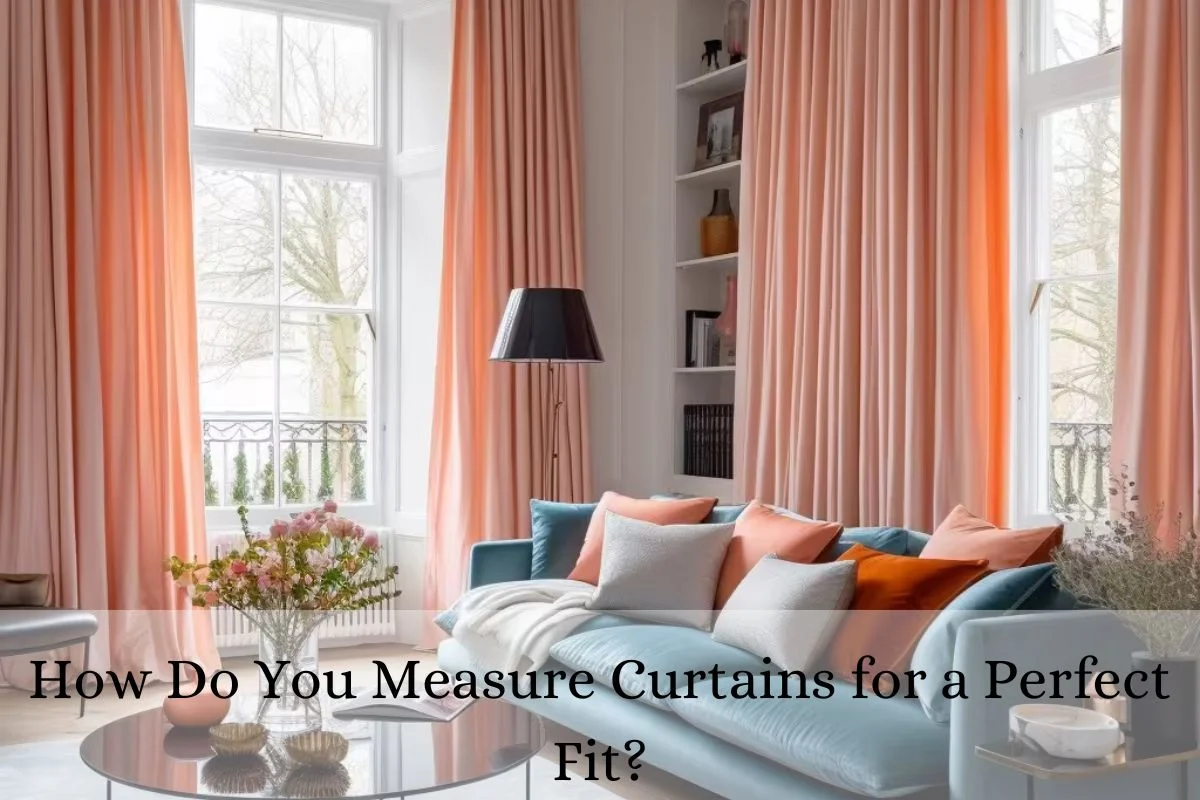
    Accurate measurements are crucial for achieving a perfect fit when installing curtains. Whether you’re looking to enhance your home’s decor or improve functionality, measuring correctly ensures your curtains hang beautifully and operate smoothly. Properly measured curtains can create a polished look, making your windows a focal point of the room. Additionally, they can help control light and privacy, contributing to a comfortable living space. Taking the time to measure correctly can save you from costly mistakes, such as ordering the wrong size or needing to return products. This guide will help you measure your curtains with confidence.

    Must-Have Measuring Tools for Perfect Curtain Fit

    Before you start measuring, gather the essential tools to ensure accuracy. A flexible measuring tape is crucial for measuring both width and height. A pencil and paper will help you note down your measurements, making it easy to reference them later. For taller windows, a step ladder may be necessary to reach the top easily. A level can help ensure that your curtain rod is installed straight. If you’re working with special features like curved or bay windows, a string or a flexible ruler can be useful. Having these tools ready will streamline the measuring process.

    curtain

    Understanding Curtain Styles

    Curtain styles can impact how you measure, so it’s essential to know the type you want before you begin. Common styles include rod pocket, grommet, and tab top, each requiring different measurement considerations. For instance, rod pocket curtains gather at the top, while grommet curtains hang more evenly. Knowing your style helps determine where to measure from and how much fabric you’ll need. Additionally, some styles may require additional fabric for pleating or gathering. Familiarizing yourself with the various styles ensures that you can take accurate measurements and choose the right curtains for your space.

    Mastering Width Measurements: The Key to Perfectly Fitted Curtains

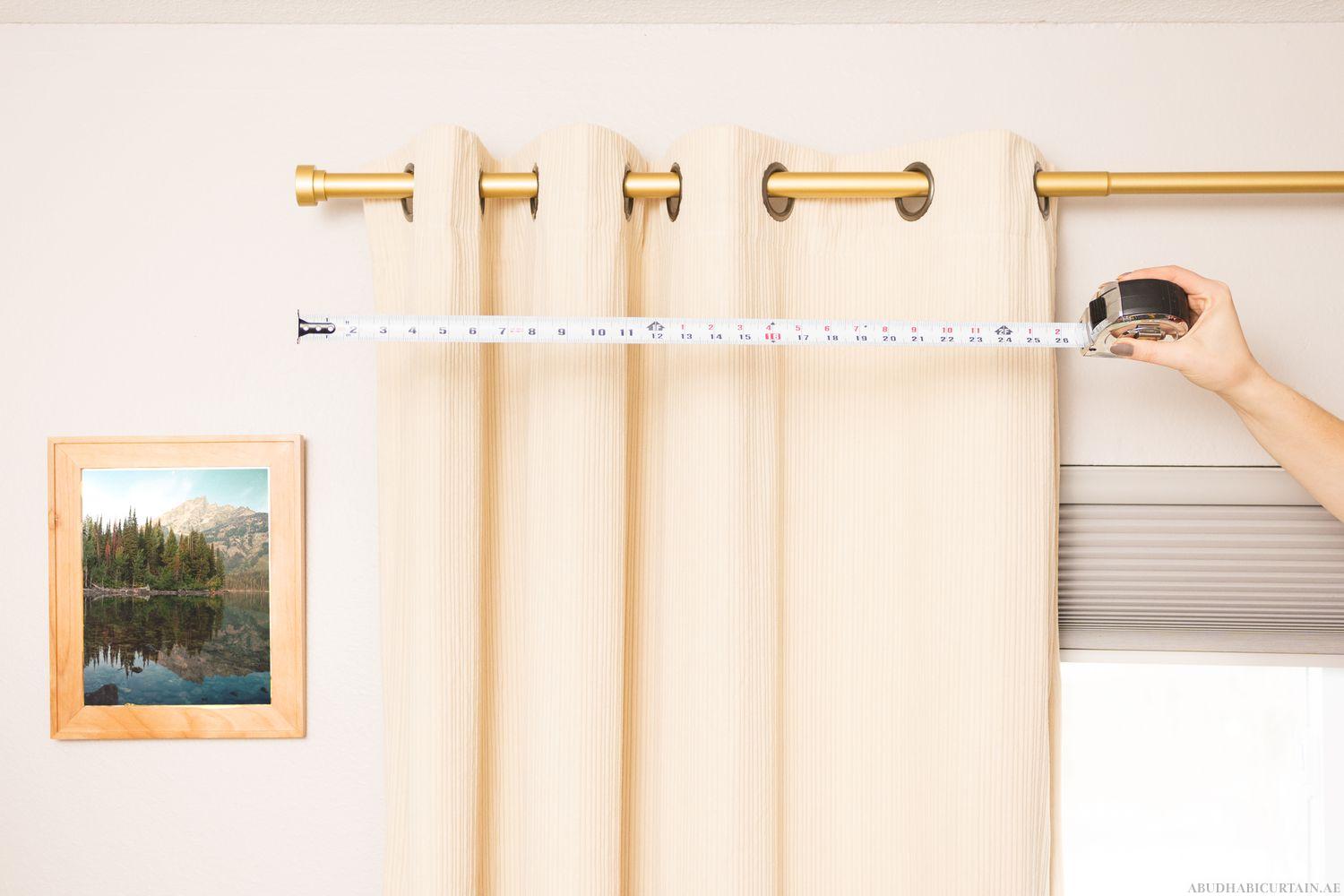
    To measure for the width of your curtains, start by determining whether you will mount them inside or outside the window frame. For an outside mount, measure the total width of the area where you plan to install the curtain rod, typically extending beyond the window edges for a fuller look. For an inside mount, measure the width of the window frame precisely. It’s generally recommended to add 1.5 to 3 times the window width to ensure the curtains look luxurious and block light effectively when closed. Remember, a little extra width can make a significant visual impact.

    Height Matters: Perfecting Your Curtain Length

    Measuring the height of your curtains depends on the desired style and look. If you choose a top mount, measure from the top of the window frame to your preferred length—sill length, floor length, or just below the sill. For a ceiling mount, measure from the ceiling to the chosen length for a more dramatic, elongated appearance. If you want puddling, add extra length to let the curtains gather on the floor. Always consider the curtain style and function when determining height, as this affects light control and overall aesthetics in the room.

     Considerations for Hardware

    When measuring for curtains, consider the curtain rods and hardware as they influence the overall look. Measure the width of the brackets to ensure they do not obstruct the curtains. Additionally, include the hardware’s height when determining where to mount the curtain rod. If you’re using decorative rods, their style can affect the distance between the rod and the curtain fabric. For instance, finials may require additional space. Be mindful of how your hardware interacts with the curtains to create a seamless and stylish appearance once everything is installed.

    Dealing with Special Features

    Measuring for special window features like arch or bay windows requires a unique approach. For arched windows, measure the highest point of the arch to ensure your curtains fit perfectly along the curve. For bay windows, measure each section separately, taking into account the angles. Use a flexible measuring tape or a string to capture the unique shapes accurately. If you plan to use a curtain rod, consider how it will be mounted and whether it can accommodate the angles of the window. These special features add character, and precise measurements are crucial for a professional finish.

    curtain

    The Key to Perfect Curtains: Why Double Checking Measurements Matters

    Always double-check your measurements before making a purchase to avoid costly mistakes. Measure each dimension at least twice to ensure consistency and accuracy. It’s easy to make errors, especially if you’re working with high windows or irregular shapes. Using a friend or family member can help you verify measurements, especially for height. Take notes as you measure, and keep them handy when shopping. If you’re unsure about a measurement, err on the side of caution and choose a slightly larger size. Accurate measurements are vital for achieving the desired fit and aesthetic.

    Don’t Get Caught Out: Key Mistakes to Avoid in Curtain Measurement

    When measuring for curtains, there are several common mistakes to avoid. One frequent error is neglecting to account for hardware, which can lead to curtains that are too short or obstructed. Another mistake is failing to consider the curtain style, which can impact the fullness and drape. Additionally, measuring only once can result in inaccuracies; always measure multiple times. Lastly, don’t forget to measure both width and height carefully—skipping one can lead to unbalanced curtains. By being aware of these pitfalls, you can ensure a successful and satisfying curtain installation.

    Conclusion

    Accurate measurements are the foundation of a successful curtain installation. They ensure that your curtains fit beautifully, enhancing the overall look of your space while providing the desired functionality. Taking the time to measure correctly not only saves you from potential headaches and returns but also contributes to the room’s ambiance and style. Whether you’re looking to create a cozy atmosphere or a sophisticated setting, well-measured curtains can make a significant difference. Follow the guidelines outlined in this blog to achieve the perfect fit and elevate your home decor effortlessly.

    Where do I start when measuring curtains?
    Where do I start when measuring curtains?

    Where do I start when measuring curtains?

    Measuring curtains may seem like a simple task at first, but in reality, it plays a crucial role in achieving a balanced, elegant, and functional look for any room. Curtains are not only decorative pieces; they serve essential purposes such as controlling light, providing privacy, and enhancing the overall atmosphere of a space. That’s why getting the right measurements is the foundation of creating the perfect window treatment. If curtains are too short, too narrow, or improperly aligned, they can make even the most beautifully decorated room look awkward and unfinished. On the other hand, perfectly measured curtains can add sophistication and harmony to your interiors.

    When beginning the process of measuring curtains, it is important to focus first on the width. Many people mistakenly measure only the glass area of their windows, but the correct way is to measure the curtain rod or track where the curtains will actually hang. This ensures that the curtains not only cover the entire window but also provide extra coverage on both sides, creating the illusion of wider windows and allowing maximum light control. After determining the width, the next step is to measure the length. Here, you need to decide on the style you prefer—whether the curtains will fall just above the window sill, extend slightly below it, or reach all the way to the floor for a more dramatic effect.

    frequently asked questions about How Do You Measure Curtains

    Where do I start when measuring curtains?

    Begin by measuring the width of your window or curtain rod, then decide the desired length based on where you want the curtains to fall (sill, below sill, or floor length).

    How wide should my curtains be?

    For a full and balanced look, curtain width should generally be 1.5 to 3 times the width of your window or curtain rod.

    How do I measure curtain length?

    Measure from the top of the curtain rod or track down to your desired drop point—this could be the window sill, below the sill, or the floor.

    Do I need to measure differently for eyelet curtains?

    Yes, for eyelet curtains, measure from the top of the rod to the desired length, but add extra fabric allowance (usually about 1 inch/2.5 cm) above the rod for proper coverage.

    Should I round up or down when measuring?

    Always round up slightly to avoid curtains that are too short, as longer curtains can still be adjusted or styled.

  • How to Choose Curtains for Small Spaces: Maximize Style and Functionality

    How to Choose Curtains for Small Spaces: Maximize Style and Functionality

    Curtains

    Small spaces come with unique challenges when it comes to decor, and curtains can play a crucial role in enhancing both style and functionality. The right curtains can make a compact room feel more open, bring in light while maintaining privacy, and add a sense of elegance without overwhelming the space. This guide covers essential considerations for choosing curtains that maximize the potential of small spaces.

    Importance of Curtain Choices in Small Spaces

    In small spaces, every design element matters, and curtains are no exception. They not only control light and privacy but also influence the room’s overall aesthetic and spatial perception. Poor curtain choices can make a small room feel cluttered or confined, while well-selected ones create a sense of openness and sophistication.

    Curtains act as a visual frame for windows, drawing the eye upward or outward to make a room appear larger. They also soften harsh edges, adding warmth and texture. For instance, using floor-to-ceiling curtains can give the illusion of higher ceilings, making the space feel more expansive. Functionally, they help regulate indoor temperatures and block out unwanted noise, which is particularly beneficial in urban settings.

    Selecting curtains tailored to the needs of small spaces ensures that they enhance rather than hinder your design goals. By focusing on their dual role in aesthetics and functionality, you can transform a compact room into a cozy, stylish retreat.

    Choosing the Perfect Fabric: Elevate Your Small Space with the Right Curtain Material

    The fabric you choose for your curtains can significantly impact how a small space feels and functions. Lightweight fabrics such as linen, cotton, or sheers are ideal for compact areas, as they allow natural light to filter through while maintaining a sense of airiness. Heavier fabrics like velvet or brocade, although luxurious, can overwhelm a small room, making it feel confined.

    Lightweight materials are easier to manage and contribute to a clean, minimalist look. For example, sheer curtains paired with a secondary layer of blackout fabric can provide flexibility for both daytime and nighttime needs. In small spaces, it’s essential to strike a balance between opacity and translucency, ensuring enough light enters the room while preserving privacy.

    Additionally, the fabric’s texture plays a role in the room’s ambiance. Smooth, matte fabrics create a seamless, understated look, while textured options add depth and character without dominating the room. Choosing durable, low-maintenance fabrics ensures that the curtains remain functional and visually appealing over time. The right fabric selection can completely transform how a small room feels, enhancing both comfort and practicality.

    Curtains

    Unlock the Power of Color and Patterns: Transform Small Spaces with the Right Curtain Choices

    The color and pattern of your curtains can dramatically influence the perception of space in a small room. Light, neutral tones such as white, beige, or pastel shades are excellent choices, as they reflect natural light and make the room appear larger and brighter. Dark or bold colors, on the other hand, can create a more enclosed feeling.

    Patterns should be chosen carefully to avoid overwhelming the space. Subtle designs or small-scale patterns work best, as they add visual interest without cluttering the room. Vertical stripes are particularly effective in small spaces, as they draw the eye upward and create the illusion of higher ceilings. Conversely, large or busy patterns can dominate the decor and make the room feel cramped.

    If you want to introduce color or personality, consider accent curtains or layered patterns. For example, a sheer base layer with a lightly patterned overlay can provide depth while keeping the overall look light and spacious. The strategic use of color and pattern ensures that your curtains complement the room rather than overpowering it.

    Curtain Length and Hanging Techniques

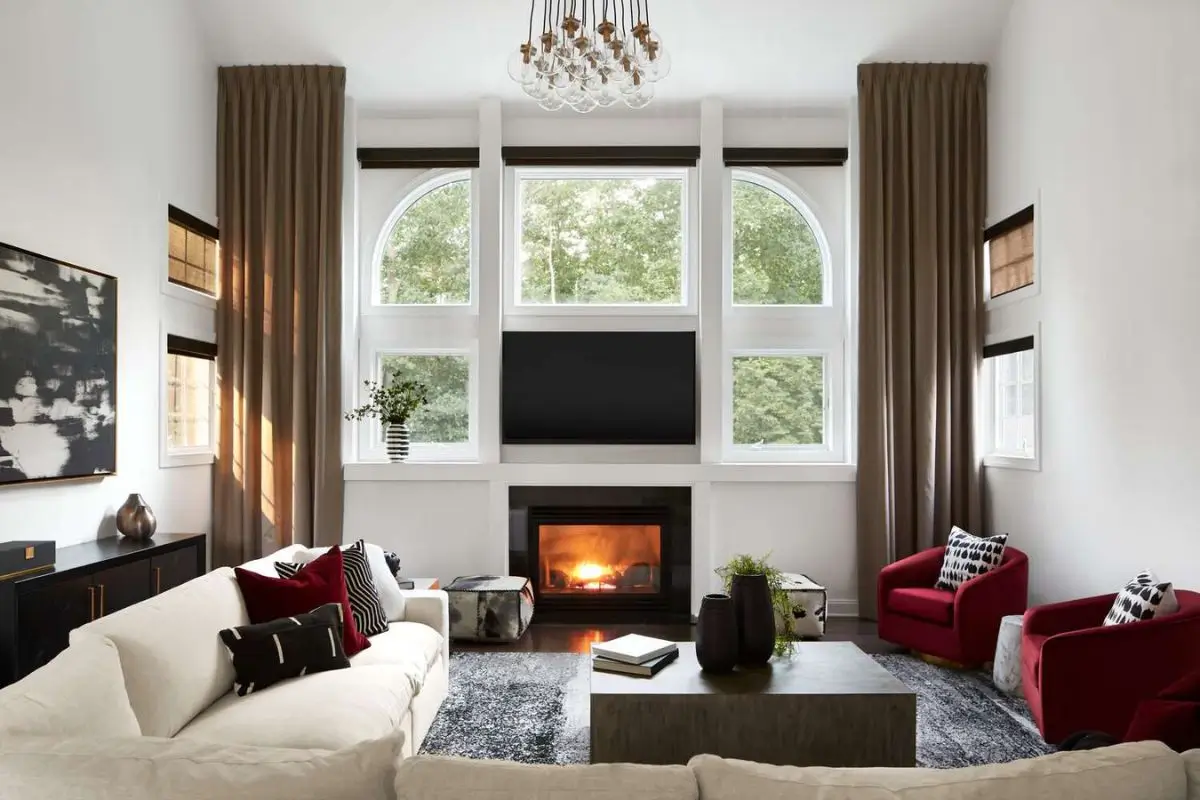
    The length of your curtains and how they are hung can significantly affect the perception of space in a small room. Floor-to-ceiling curtains are a game-changer, as they create the illusion of taller walls and higher ceilings. Even if your windows are small, extending the curtains beyond the window frame amplifies the sense of height and width.

    Hanging curtain rods closer to the ceiling rather than just above the window frame draws the eye upward, emphasizing vertical space. Additionally, ensuring the curtains just skim the floor creates a polished, tailored look that prevents a cluttered feel.

    Avoid overly short curtains, as they can disrupt the flow of the room and make it appear smaller. If full-length curtains aren’t practical, opt for tailored options like café curtains or Roman shades that align with the window’s proportions. Strategic hanging techniques, combined with appropriate curtain lengths, make a significant difference in how spacious and cohesive a small room feels.

    Curtains

    Maximizing Functionality: Curtains That Work as Hard as Your Small Space

    In small spaces, curtains must do more than just look good—they need to be functional. Dual-layer curtains, for example, offer flexibility by combining sheer fabrics for daytime use and blackout materials for privacy and light control at night. This adaptability is particularly useful in compact areas where every element needs to multitask.

    Curtains can also contribute to energy efficiency, an essential consideration for small apartments or homes. Thermal-insulated curtains help regulate indoor temperatures, keeping the space warm in winter and cool in summer. They also block noise, creating a more peaceful environment in urban settings.

    Additionally, easy-to-clean fabrics ensure that the curtains remain low-maintenance, an important factor for small, busy households. By focusing on practicality and versatility, you can ensure that your curtains meet all the functional needs of a small space while maintaining their aesthetic appeal.

    Maximize Your Space: Smart Curtain Styles for Small Rooms

    Compact spaces benefit from innovative curtain styles that save space while enhancing the room’s look. Roman shades, roller blinds, and panel curtains are excellent choices, as they take up minimal space and provide clean, streamlined aesthetics. These styles are particularly suitable for rooms with tight corners or limited wall space.

    Another practical option is to use curtains with tiebacks or magnetic clips, which allow you to neatly gather the fabric during the day. This keeps the space open and airy while still offering privacy when needed.

    For multi-functional spaces, consider curtains that can double as room dividers. This approach is ideal for studio apartments, where curtains can separate the living area from the sleeping area without adding bulky furniture. These space-saving solutions ensure that your small space remains uncluttered while stylishly addressing your needs.

    Conclusion

    Choosing the right curtains for small spaces requires a balance of style, practicality, and design strategy. By focusing on fabric selection, color and pattern considerations, hanging techniques, and innovative styles, you can enhance both the look and functionality of your compact rooms. Curtains have the power to transform small spaces, making them feel open, inviting, and perfectly tailored to your needs.

    Should I use long or short curtains in small rooms?
    Should I use long or short curtains in small rooms?

    Should I use long or short curtains in small rooms?

    When choosing between long or short curtains for small rooms, the decision greatly affects how spacious the room feels.

    Long curtains are generally the better choice for small spaces because they create the illusion of height, making the ceiling look taller and the room appear larger. Hanging them from just below the ceiling to the floor elongates the walls and adds elegance. They also bring a cohesive and flowing look that helps minimize clutter.

    Short curtains, on the other hand, can be practical in certain cases—such as kitchens, bathrooms, or rooms with furniture directly under the window. However, in small bedrooms or living rooms, short curtains may visually “cut” the wall and make the space feel smaller.

    For small rooms, opt for floor-length curtains in light colors or sheer fabrics to maximize both style and spaciousness.

    frequently asked questions about How to Choose Curtains

    What curtain colors work best in small spaces?

    Light colors such as white, beige, or soft pastels help create the illusion of a larger, brighter room, while darker tones may make the space feel smaller.

    Should I use long or short curtains in small rooms?

    Floor-length curtains can make ceilings appear higher and add elegance, while short curtains are better for rooms where functionality and space-saving are priorities.

    What fabrics are ideal for small spaces?

    Lightweight fabrics like linen, cotton, or sheer materials allow natural light to flow in, making the room feel more open and airy.

    Can patterned curtains work in small spaces?

    Yes, but it’s best to choose subtle, vertical, or small-scale patterns that elongate the room instead of bold, oversized designs that can overwhelm the space.

    How can I hang curtains to make a small space look bigger?

    Hang the curtain rod closer to the ceiling and extend it beyond the window frame to give the illusion of wider windows and taller walls.

    Do blackout curtains suit small rooms?

    Yes, blackout curtains are practical for bedrooms or media rooms, but choosing them in lighter colors helps maintain a spacious feel.

  • How Curtains Elevate Home Value Beyond Aesthetic Appeal

    How Curtains Elevate Home Value Beyond Aesthetic Appeal


    How Curtains Elevate Home Value Beyond Aesthetic Appeal

    When it comes to enhancing the value of your home, many homeowners focus on major renovations or updates, often overlooking the impact of seemingly simple elements like curtains. However, curtains do more than just serve as decorative accents; they play a crucial role in defining a space’s overall atmosphere and functionality. From improving energy efficiency to enhancing privacy and light control, well-chosen curtains can significantly elevate your home’s market appeal. In this blog, we’ll explore the multifaceted benefits of curtains and how they can increase both the aesthetic charm and the overall value of your property, making it more attractive to potential buyers.

    Maximize Comfort and Savings: The Energy Efficiency Benefits of Curtains

    Quality curtains play a significant role in improving a home’s energy efficiency. By providing insulation, they help keep heat in during winter and block heat during summer, reducing reliance on heating and cooling systems. This energy-saving capability is attractive to potential buyers, who are increasingly conscious of energy costs and environmental impact. Energy-efficient curtains, especially those with thermal linings or made from insulating materials, can lead to lower utility bills. Highlighting this feature during a home sale can enhance its marketability, as buyers appreciate homes that are cost-effective and environmentally friendly.

    Curtains

    Shielding Your Sanctuary: The Privacy and Security Benefits of Curtains

    Curtains offer crucial privacy and security benefits that can significantly enhance a home’s appeal. By effectively blocking the view from outside, they create a more intimate and secure living environment, which is particularly important for urban homeowners or those in close-knit neighborhoods. Curtains provide a psychological barrier that helps occupants feel safe and secluded. This added sense of security can be a key selling point for potential buyers who prioritize their privacy and comfort in their living spaces. Well-chosen curtains can thus transform a house into a more inviting and secure home.

    Mastering Light: How Curtains Transform Ambiance and Elevate Your Space

    Curtains are essential for controlling natural light in a home, allowing homeowners to create the desired ambiance in each room. By using lighter fabrics, homeowners can softly diffuse sunlight, making spaces feel airy and inviting. Conversely, heavier fabrics can block out light, creating a cozy, intimate setting ideal for relaxation or sleep. The ability to adjust light levels enhances the functionality of a space, making it more appealing to potential buyers. Well-selected curtains can improve mood, reduce glare, and create a pleasant atmosphere, contributing to the overall comfort of the home.

    Sound Sanctuary: How Curtains Enhance Acoustics for a Quieter Home

    Heavy or layered curtains can significantly improve a home’s acoustics by reducing noise pollution from outside. In busy urban environments or near high-traffic areas, excessive noise can be a major drawback for potential buyers. Curtains act as sound barriers, absorbing and muffling sounds, creating a more tranquil living environment. This feature is particularly appealing for buyers seeking a peaceful retreat from the hustle and bustle of daily life. By highlighting the acoustic benefits of curtains, homeowners can make their property more attractive to buyers who prioritize comfort and quietude in their living spaces.

    Safeguarding Your Investment: How Curtains Protect Your Furnishings from UV Damage

    Curtains serve an important protective function for a home’s furnishings, preventing fading and damage caused by UV rays. Prolonged exposure to sunlight can deteriorate upholstery, carpets, and artwork, leading to costly replacements. High-quality curtains can block harmful rays while allowing soft light to filter in, preserving the integrity of interior elements. By emphasizing this protective quality, homeowners can demonstrate the longevity of their furnishings and the overall value of the home. Buyers appreciate homes where furnishings are safeguarded, as it indicates a well-maintained property that requires less immediate investment.

    Tailored Elegance: Unleashing the Power of Customization and Style Versatility in Curtains

    Curtains offer an opportunity for customization and style versatility, allowing homeowners to express their personal taste and complement their home’s decor. With a wide variety of fabrics, patterns, and colors available, curtains can enhance any room’s aesthetic appeal, aligning with different design styles from modern to traditional. This adaptability makes it easier for potential buyers to envision themselves living in the space. Customized window treatments can also make a home stand out in a competitive market, providing a unique touch that attracts buyers looking for a home that reflects their style.

    Instant Appeal: How Curtains Boost Marketability and Create Lasting First Impressions

    Well-dressed windows create a polished look that enhances a home’s curb appeal and marketability. First impressions are crucial in real estate; potential buyers often make quick judgments based on what they see. Attractive curtains can draw attention to windows and make rooms appear more inviting and well-maintained. Homes with stylish curtains reflect attention to detail, signaling to buyers that the property has been cared for. By investing in quality window treatments, homeowners can significantly boost the overall aesthetic appeal of their space, making it more attractive to prospective buyers.

    Window Dressing for Success: The Impact of Curtains in Home Staging

    When staging a home for sale, curtains can play a vital role in showcasing the property’s potential. Strategically selected curtains can enhance the overall aesthetic, creating a warm and inviting atmosphere that resonates with buyers. Neutral or soft colors can help make spaces feel larger and more open, while layered curtains can add depth and character. Moreover, using curtains that complement the home’s existing decor can enhance visual appeal, making it easier for buyers to envision themselves living in the space. Effective staging with curtains can lead to quicker sales and potentially higher offers.

    Curtains

    Curtain Couture: Exploring the Latest Trends and Innovations in Window Treatments

    Current trends in curtain design and technology can significantly boost a home’s appeal to modern buyers. Innovations like smart curtains, which can be controlled remotely or set on timers, add convenience and sophistication. Eco-friendly materials, such as organic fabrics or energy-efficient designs, are increasingly popular among environmentally conscious consumers. Highlighting these modern features can attract tech-savvy buyers looking for contemporary comforts. By keeping up with the latest trends and incorporating innovative window treatments, homeowners can enhance their property’s value and make it more appealing to a broader range of potential buyers.

    Curtains as a Wise Long-Term Investment: Enhancing Home Value and Aesthetics

    Investing in high-quality curtains is a long-term strategy that pays off when it comes to home value. Cheaper options may save money upfront, but they often lack durability and style, leading to replacements that can quickly diminish overall aesthetics. High-quality curtains, on the other hand, are designed to last and retain their appeal over time. This long-term investment contributes to a more polished and well-maintained appearance, which is attractive to potential buyers. By prioritizing quality over cost, homeowners can enhance their property’s value and appeal, ensuring a solid return on investment in the future

    Conclusion

    In conclusion, curtains are a multifaceted addition to any home that extend far beyond their decorative purpose. They significantly enhance energy efficiency, provide privacy and security, and improve light control, all of which contribute to a more comfortable living environment. Additionally, curtains protect furnishings from UV damage, offer customization and style versatility, and enhance marketability through their visual appeal. As a practical element in home staging, they help create inviting spaces that resonate with potential buyers.

    Do curtains really add value to a home
    Do curtains really add value to a home

    Do curtains really add value to a home

    Yes, curtains can add real value to a home, and not just in terms of looks. While many people first think of curtains as a decorative element, they also provide practical benefits that enhance the comfort and functionality of a space. High-quality curtains improve energy efficiency by helping regulate room temperature, keeping interiors cooler in summer and warmer in winter, which can lower utility bills. They also increase privacy and security, a feature that homebuyers often look for.

    From a design perspective, well-chosen curtains create a polished, inviting atmosphere that makes rooms feel more complete. This can influence how potential buyers perceive the property, giving it a more luxurious or cozy appeal depending on the style. Custom or well-fitted curtains, in particular, highlight windows as architectural features and can even make rooms appear larger or brighter.

    In short, curtains elevate both the aesthetic appeal and practical value of a home, making it more attractive and potentially increasing its market worth.

    frequently asked questions about How Curtains Elevate Home Value

    Do curtains really add value to a home?

    Yes, well-chosen curtains improve energy efficiency, privacy, and comfort while enhancing style, making your home more appealing to buyers.

    How do curtains improve energy efficiency?

    Curtains act as insulation by blocking heat in summer and retaining warmth in winter, helping reduce energy bills.

    Can curtains increase privacy and security?

    Absolutely. Curtains prevent outsiders from seeing inside your home, boosting both privacy and safety.

    Do curtains influence buyer perception during home sales?

    Yes. Stylish and functional curtains create a welcoming atmosphere, leaving a positive impression on potential buyers.

    Are custom-made curtains worth the investment for home value?

    Custom-made curtains tailored to your space can increase appeal and highlight your home’s features, making them a worthwhile investment.

  • Styling Ideas and Inspirations for Blackout Curtains: Creative Designs and Trends

    Styling Ideas and Inspirations for Blackout Curtains: Creative Designs and Trends

    Blackout Curtain

    Blackout curtains have evolved beyond their functional purpose of blocking light to become a stylish and versatile window treatment option. With advancements in design and technology, blackout curtains now offer a wide range of creative designs and trends that can elevate the aesthetic appeal of any room while providing essential light-blocking benefits.

    In this article, we will explore various styling ideas and inspirations for blackout curtains, highlighting creative designs and current trends that can enhance the beauty and functionality of your space. Whether you’re looking to add drama and sophistication to your living room, create a cozy retreat in your bedroom, or bring a touch of elegance to your home office, there are countless ways to incorporate blackout curtains into your decor scheme.

    Join us as we delve into the world of blackout curtains and discover how to use them creatively to achieve the desired look and ambiance in your home. From bold patterns and colors to innovative textures and finishes, blackout curtains offer endless possibilities for expressing your personal style and enhancing the overall design of your space.

    Brief Overview of the Purpose and Benefits of Blackout Curtains

    Blackout curtains serve as a versatile solution for controlling light and enhancing privacy within a home environment. These specialized curtains are designed to block out external light sources effectively, offering a range of benefits to homeowners. By creating a dark and secluded atmosphere, blackout curtains promote better sleep, reduce energy costs, and contribute to a more comfortable and private living space. Their ability to minimize external noise and regulate room temperature further enhances their value in modern home decor.

    Advantages And Disadvantages of Blackout Curtains

    Blackout curtains offer a range of advantages that contribute to their popularity as a preferred choice for window treatments. However, like any product, they also come with certain disadvantages. Let’s explore both sides of the equation:

    Advantages:

    Light Control: Blackout curtains effectively block out external light sources, creating a dark and secluded environment ideal for sleeping or watching movies during the daytime.

    Privacy Enhancement: By preventing visibility from outside, blackout curtains enhance privacy within the home, making them suitable for bedrooms, living rooms, and other areas where privacy is desired.

    Energy Efficiency: Blackout curtains provide insulation against heat and cold, helping to regulate room temperature and reduce energy costs by minimizing the need for heating or air conditioning.

    Noise Reduction: The thick, dense fabric of blackout curtains helps absorb sound, reducing external noise levels and creating a quieter and more peaceful indoor environment.

    Protection of Furniture and Fabrics: By blocking harmful UV rays, blackout curtains help protect furniture, carpets, and fabrics from fading and sun damage over time.

     Disadvantages:

    Limited Design Options: Compared to regular curtains, blackout curtains may offer fewer design options in terms of colors, patterns, and textures, limiting the ability to match them with existing décor styles.

    Higher Cost: Blackout curtains tend to be more expensive than standard curtains due to their specialized construction and materials, which may pose budget constraints for some homeowners.

    Maintenance Challenges: The thick and heavy fabric of blackout curtains may require more effort to clean and maintain compared to lighter curtains, as they may be prone to collecting dust and dirt more easily.

    Limited Natural Light: While blackout curtains effectively block out external light sources, they also limit the amount of natural light that enters the room, which may not be desirable for individuals who prefer bright and airy spaces.

    Installation Requirements: Due to their weight and density, blackout curtains may require sturdier curtain rods and hardware for proper installation, adding to the overall cost and complexity of the window treatment.

    Blackout Curtain

    Choosing the Right Blackout Curtains

    Selecting the perfect blackout curtains for your space involves considering several key factors to ensure they meet your functional needs and complement your décor style. Here are some essential tips to help you choose the right blackout curtains:

    Fabric Type and Thickness: Opt for blackout curtains made from heavyweight fabrics such as polyester, cotton, or velvet, as they provide better light-blocking capabilities. Look for curtains with multiple layers or a blackout lining to enhance their effectiveness.

    Length and Width: Measure the dimensions of your windows accurately to determine the appropriate length and width of the curtains. Choose curtains that are long enough to reach the floor or slightly puddle for a luxurious look. Ensure the width of the curtains provides ample coverage when closed to block out light effectively.

    Header Style and Hanging Options: Consider the header style of the curtains, such as grommet, rod pocket, or pinch pleat, and choose one that complements your decor aesthetic. Additionally, select the appropriate hanging option based on your curtain rod type and installation preferences.

    Color and Design: Decide on a color and design scheme that harmonizes with your existing decor and personal style. Opt for neutral tones for a timeless and versatile look, or choose bold colors or patterns to make a statement and add visual interest to the room.

    Special Features: Look for blackout curtains with additional features such as thermal insulation, noise reduction, or energy efficiency, depending on your specific needs and preferences. These features can enhance the functionality of the curtains and improve the overall comfort of your space.

    Budget Considerations: Determine your budget for blackout curtains and explore options within your price range. While high-quality blackout curtains may come with a higher price tag, they offer better durability and performance in the long run.

    Read Reviews and Compare Brands: Research different blackout curtain brands and read reviews from other customers to gauge the quality and performance of the curtains. Compare features, materials, and customer feedback to make an informed decision.

    Sample Swatches and Testimonials: If possible, request sample swatches of blackout curtain fabrics to assess their texture, weight, and light-blocking capabilities firsthand. Additionally, seek testimonials or recommendations from friends, family, or interior design professionals to guide your selection process.

    Blackout Curtain Styles and Designs

    Blackout curtains come in a variety of styles and designs to suit different preferences and complement various decor themes. Here are some popular blackout curtain styles and designs to consider for your home:

    Solid Colors: Solid color blackout curtains offer a classic and versatile option that can seamlessly blend with any decor style. Choose from a wide range of neutral tones such as white, beige, gray, or black to create a timeless look that enhances the ambiance of your space.

    Textured Fabrics: Textured blackout curtains add depth and dimension to your windows, creating visual interest and tactile appeal. Opt for curtains with subtle textures like linen, faux silk, or jacquard weaves to add a touch of sophistication and elegance to your room.

    Patterned Prints: Patterned blackout curtains allow you to infuse personality and character into your space with bold prints, geometric patterns, or floral motifs. Experiment with vibrant colors and eye-catching designs to make a statement and showcase your unique style.

    Two-Tone or Color Block: Two-tone or color block blackout curtains feature contrasting colors or panels, adding a modern and contemporary touch to your decor. Mix and match complementary hues or opt for contrasting shades to create visual contrast and focal points in the room.

    Embroidered Details: Embroidered blackout curtains add a luxurious and refined touch to your windows, featuring intricate stitching, embellishments, or motifs. Choose curtains with delicate embroidery along the edges or throughout the fabric to create an elegant and sophisticated look.
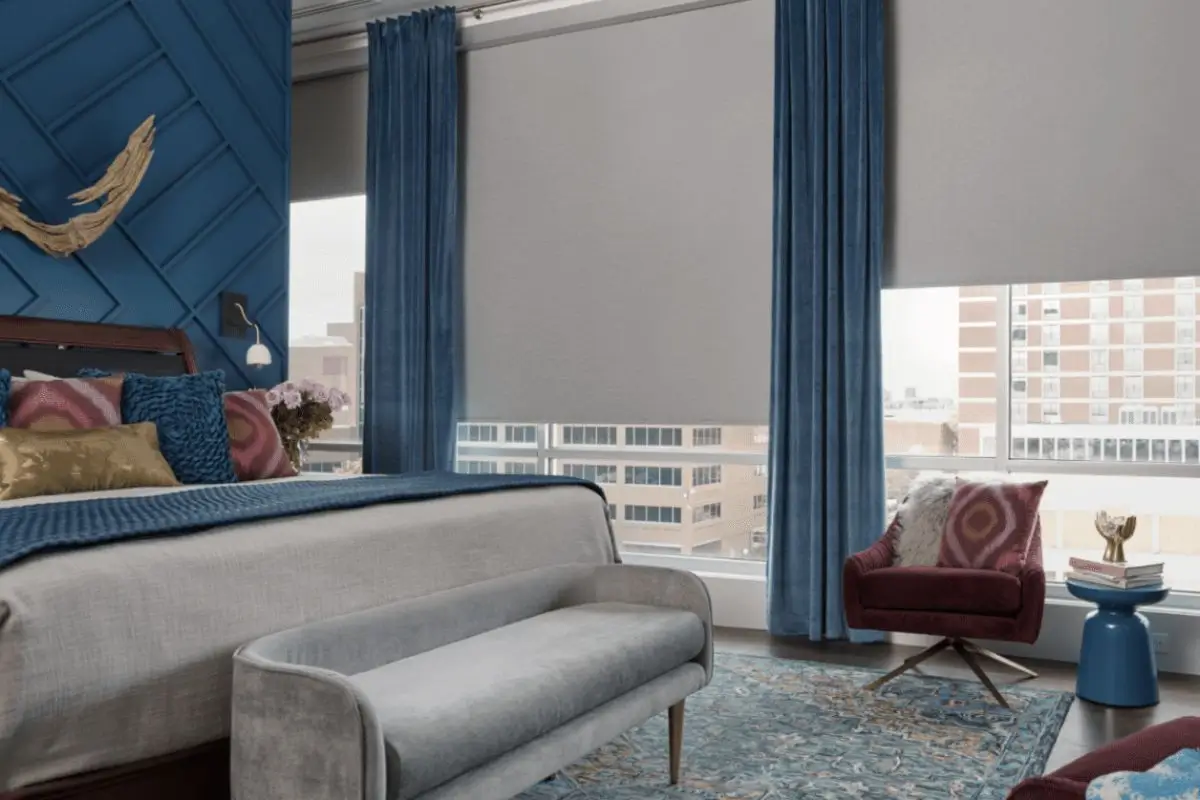
    Sheer Overlay: Sheer overlay blackout curtains combine the functionality of blackout curtains with the softness and delicacy of sheer panels. These curtains feature a layer of sheer fabric overlaying the blackout material, allowing diffused light to filter through while still providing privacy and light control.

    Thermal Backing: Thermal blackout curtains feature a specialized backing that helps regulate room temperature by insulating against heat loss in the winter and heat gain in the summer. These curtains not only block out light but also help reduce energy costs and maintain a comfortable indoor environment.

    Customizable Options: Explore customizable options for blackout curtains, including adjustable lengths, pleat styles, and hardware finishes. Custom curtains allow you to tailor the curtains to your specific window dimensions and design preferences for a personalized touch.

    Blackout Curtain

    Maintaining and Cleaning Blackout Curtains

    Proper maintenance and cleaning are essential to preserve the appearance and functionality of your blackout curtains. Follow these tips to keep your curtains looking fresh and pristine:

    Regular Dusting: Use a handheld vacuum cleaner or a soft brush attachment to remove dust and debris from the surface of your blackout curtains. Gently vacuum along the folds and seams to ensure thorough cleaning.

    Spot Cleaning: Address stains and spills promptly to prevent them from setting into the fabric. Blot the affected area with a clean, damp cloth and a mild detergent solution. Avoid rubbing or scrubbing vigorously, as this can damage the fabric.

    Machine Washing: Check the care label on your blackout curtains to determine if they are machine washable. If so, wash them in cold water on a gentle cycle with a mild detergent. Avoid using bleach or harsh chemicals, as they can damage the fabric and affect the blackout lining.

    Hand Washing: For delicate blackout curtains or those with intricate details, hand washing may be the preferred method. Fill a basin or tub with cold water and a small amount of gentle detergent. Gently agitate the curtains in the soapy water, then rinse thoroughly with clean water.

    Drying: After washing, hang your blackout curtains to air dry or tumble dry on a low heat setting. Avoid high heat, as it can damage the fabric and affect the blackout lining. Smooth out any wrinkles or creases while the curtains are still damp to help them dry evenly.

    Ironing or Steaming: If your blackout curtains become wrinkled during washing or drying, iron them on a low heat setting or use a handheld garment steamer to remove wrinkles. Always iron or steam the curtains on the reverse side to avoid damaging the fabric.

    Professional Cleaning: For stubborn stains or heavily soiled curtains, consider professional cleaning services. Dry cleaning may be recommended for curtains with delicate fabrics or intricate details that cannot be safely washed at home.

    Regular Maintenance: Inspect your blackout curtains periodically for any signs of wear and tear, such as loose threads or fading. Repair minor damages promptly to prevent them from worsening over time and compromising the integrity of the curtains.

    Conclusion

    In conclusion, blackout curtains offer a practical and stylish solution for controlling light, enhancing privacy, and creating a comfortable living environment. With their ability to block out external light sources effectively, blackout curtains contribute to better sleep quality, energy efficiency, and overall well-being.

    Do blackout curtains help with insulation and energy efficiency?
    Do blackout curtains help with insulation and energy efficiency?

    Do blackout curtains help with insulation and energy efficiency?

    Yes, blackout curtains can significantly improve insulation and energy efficiency in your home. Here’s how:

    • Heat Retention in Winter: Thick, tightly woven fabrics help prevent warm air from escaping through windows, keeping rooms warmer and reducing heating costs.
    • Cooling in Summer: Blackout curtains block out direct sunlight and heat, helping to maintain a cooler indoor temperature and reducing reliance on air conditioning.
    • Reduced Drafts: When properly fitted, they can minimize drafts from windows, further enhancing comfort and energy efficiency.
    • Noise Reduction: While primarily for insulation, the thick fabric can also dampen outside noise, adding to a comfortable indoor environment.

    By using blackout curtains strategically, you can enhance your home’s comfort while saving on energy bills and improving overall efficiency.

    frequently asked questions about Styling Ideas and Inspirations for Blackout Curtains

    What are blackout curtains?

    Blackout curtains are specially designed window treatments that block out most or all sunlight, providing privacy, reducing glare, and improving room darkness.

    Can blackout curtains be stylish as well as functional?

    Yes, modern blackout curtains come in a variety of colors, patterns, and textures, allowing them to complement any interior design while offering practical benefits.

    How can I style blackout curtains creatively?

    Popular ideas include layering with sheer curtains, using bold or patterned fabrics, incorporating decorative curtain rods, or matching them with room accessories for a cohesive look.

    Are blackout curtains suitable for all rooms?

    They are ideal for bedrooms, media rooms, and living spaces where light control is important, but they can also be used in kitchens or offices depending on style preferences.

    Do blackout curtains help with insulation and energy efficiency?

    Yes, they can help reduce heat loss in winter and block heat in summer, improving energy efficiency while keeping rooms comfortable.

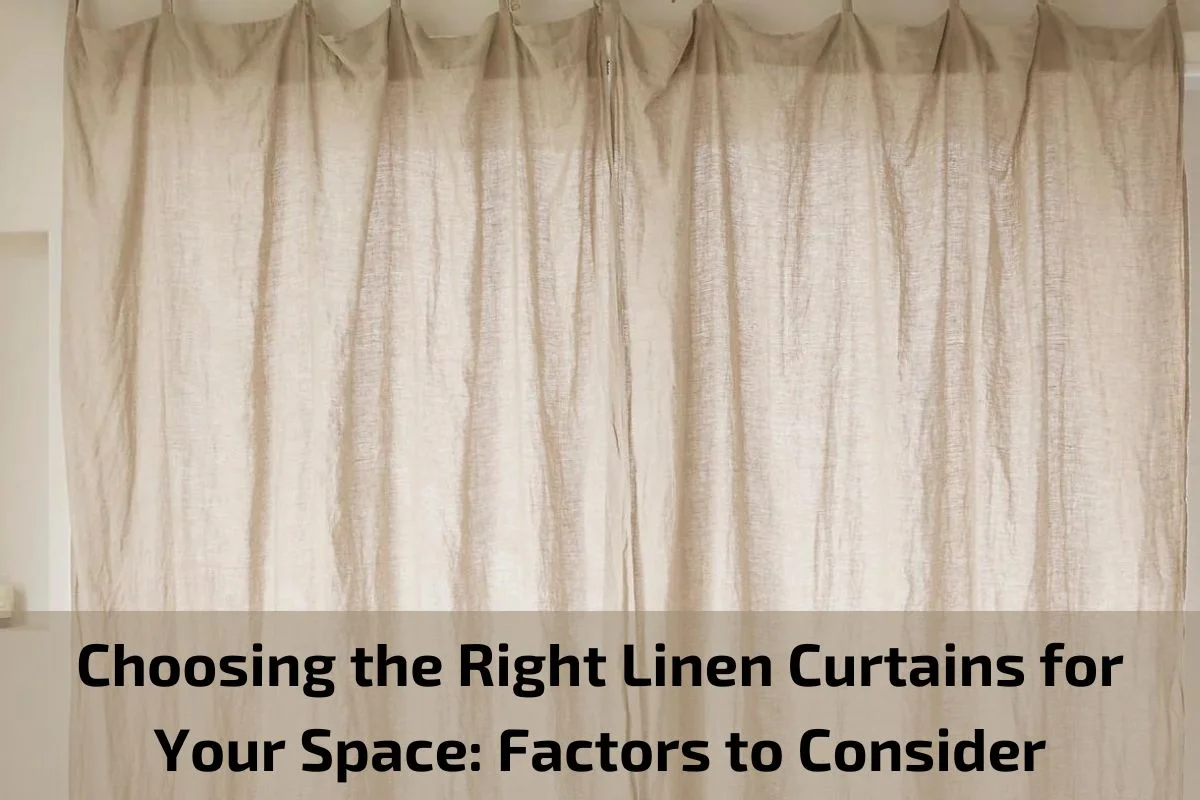
  • Choosing the Right Linen Curtains for Your Space: Factors to Consider

    Choosing the Right Linen Curtains for Your Space: Factors to Consider

    linen curtains

    Selecting the perfect linen curtains for your space involves careful consideration of various factors to ensure they complement your decor, meet your functional needs, and enhance the overall ambiance of the room. Linen curtains, known for their timeless elegance and natural charm, offer a versatile and stylish window treatment option suitable for a wide range of interior styles and settings.

    In this article, we will explore the key factors to consider when choosing linen curtains for your space. Whether you’re looking to add a touch of sophistication to your living room, create a cozy atmosphere in your bedroom, or bring a breath of fresh air to your kitchen, understanding these factors will help you make an informed decision that reflects your personal style and enhances the beauty of your home.

    Overview of Linen Curtains as a Timeless Addition to Home Décor

    Linen curtains have long been celebrated for their timeless elegance and understated charm in home décor. With their natural fibers and unique texture, linen curtains effortlessly infuse spaces with a sense of sophistication and warmth. Renowned for their versatility and enduring appeal, linen curtains have become a staple choice for homeowners seeking to elevate the aesthetic of their living spaces.

    In this section, we’ll explore why linen curtains are considered a timeless addition to home décor. From their origins and characteristics to their ability to complement a wide range of design styles, linen curtains stand out as a classic choice that transcends passing trends. Let’s delve into the enduring allure of linen curtains and discover why they continue to captivate homeowners and interior designers alike.linen curtains

     The Advantages and Disadvantages of Linen Curtains

    Linen curtains offer a host of advantages that contribute to their popularity as a preferred choice for window treatments. However, like any material, linen also comes with its own set of disadvantages. Let’s explore both sides of the coin:

    Advantages:

    Natural Beauty: Linen curtains exude a natural, earthy beauty that adds warmth and character to any room. The texture of linen fabric creates visual interest and depth, enhancing the overall aesthetic appeal of the space.

    Breathability: Linen is highly breathable, allowing air to circulate freely through the fabric. This makes linen curtains ideal for maintaining a comfortable indoor environment, especially during warmer months, as they help prevent rooms from feeling stuffy or overheated.

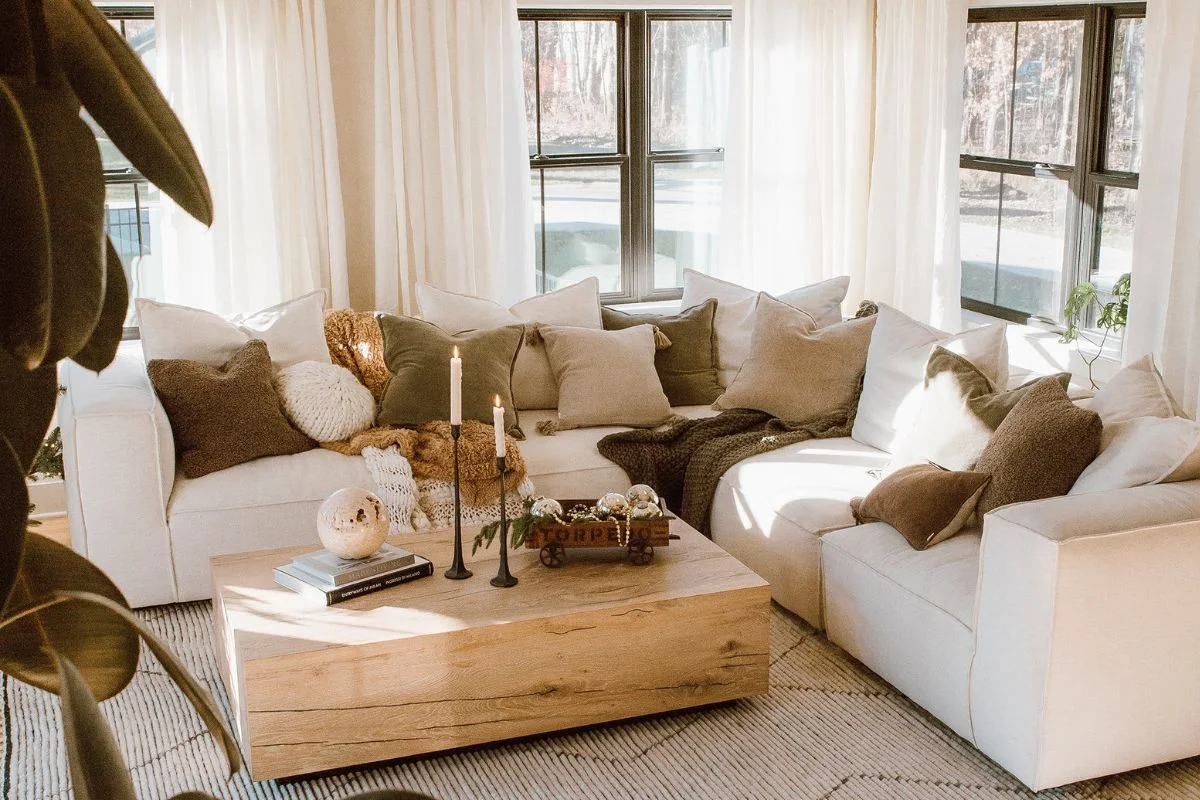
    Light Filtering: Linen curtains provide gentle light filtering, allowing soft, diffused light to enter the room while maintaining privacy. This creates a cozy and inviting atmosphere, making linen curtains perfect for living spaces and bedrooms.

    Durability: Linen is renowned for its durability and strength, making linen curtains a long-lasting investment for your home. With proper care, linen curtains can withstand regular use and retain their beauty for many years.

    Versatility: Linen curtains are versatile and adaptable to various design styles and color schemes. Whether your home décor is modern, rustic, or traditional, linen curtains seamlessly blend in and enhance the overall look of the space.

     Disadvantages:

    Wrinkling: Linen fabric is prone to wrinkling and creasing, which can detract from its smooth appearance. While some homeowners appreciate the relaxed, lived-in look of wrinkled linen, others may find it undesirable and prefer fabrics that are more resistant to creasing.

    Shrinkage: Linen has a tendency to shrink when washed or exposed to moisture, which can affect the size and fit of curtains over time. To minimize shrinkage, it’s essential to follow proper care instructions and avoid exposing linen curtains to excessive moisture.

    Maintenance: Linen curtains require special care and maintenance to preserve their quality and appearance. Regular washing and ironing may be necessary to keep linen curtains looking their best, which can be time-consuming for some homeowners.

    Cost: Linen curtains tend to be more expensive than curtains made from synthetic materials or blends. While the durability and longevity of linen curtains justify the initial investment for many homeowners, others may find the higher cost prohibitive.

    Limited Color Choices: Linen fabric may have limited color options compared to synthetic fabrics, which offer a wider range of hues and patterns. While linen’s natural tones and subtle variations are prized by some, others may prefer more vibrant or bold colors for their curtains.

     Choosing the Perfect Linen Curtains

    Selecting the perfect linen curtains for your home involves careful consideration of various factors to ensure they complement your décor and meet your functional needs. Here are some essential tips to guide you in choosing the ideal linen curtains:

    Consider Your Decor Style: Take into account the overall style and theme of your home décor. Whether your space leans towards modern, traditional, rustic, or eclectic, choose linen curtains that harmonize with the existing aesthetic.

    Fabric Weight and Texture: Linen curtains come in different weights and textures, ranging from lightweight and airy to more substantial and textured varieties. Consider the desired look and feel you want to achieve in the room when selecting the fabric weight and texture.

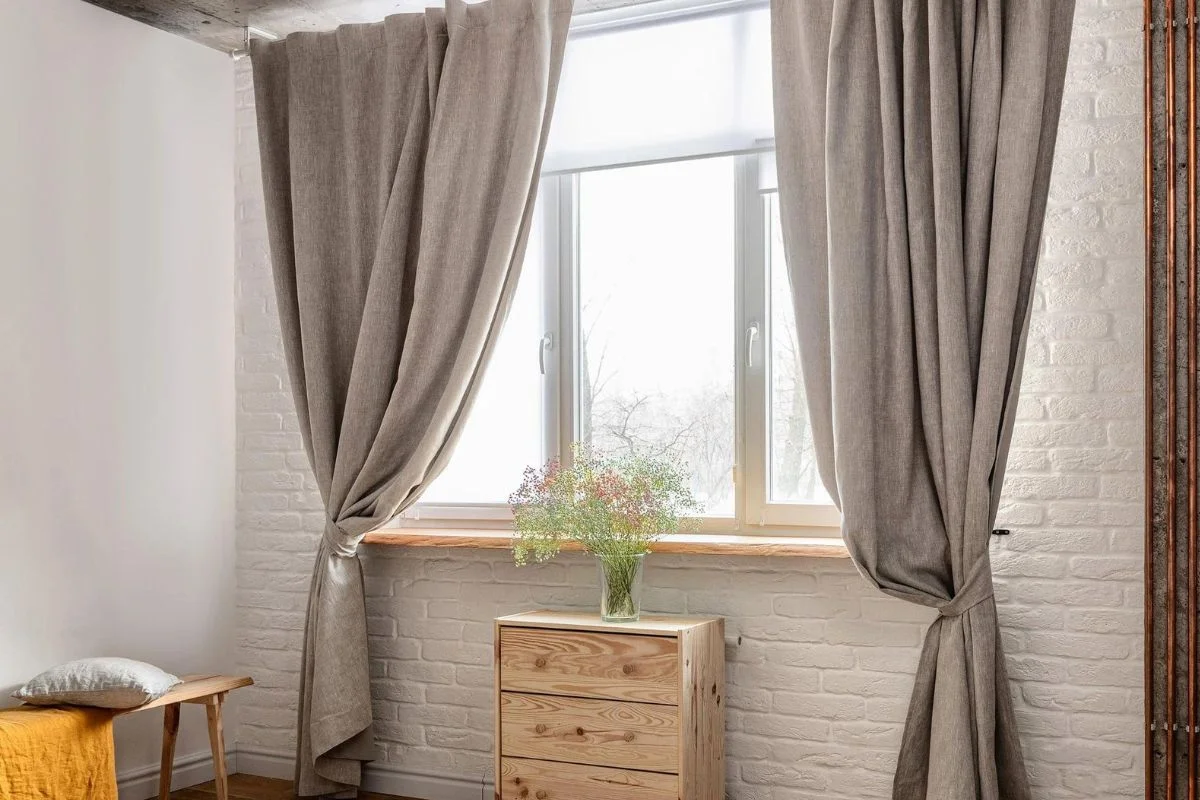
    Color Selection: Linen curtains are available in a range of natural tones and hues, including beige, ivory, gray, and earthy tones. Choose a color that complements your wall color, furniture, and overall color scheme. Neutral tones are versatile and timeless, while subtle pops of color can add visual interest.

    Length and Fullness: Determine the appropriate length and fullness of the curtains based on the size and height of your windows, as well as the style of your room. Floor-length curtains create a sense of elegance and sophistication, while shorter curtains can make ceilings appear higher and windows larger. Consider the desired fullness of the curtains to achieve a luxurious, draped look when they are closed.

    Hardware and Accessories: Select curtain rods, finials, and tiebacks that complement the style and finish of your linen curtains and existing décor. Choose durable hardware that can support the weight of your curtains and withstand daily use. Consider decorative elements such as tassels, fringe, or trim for added visual interest.

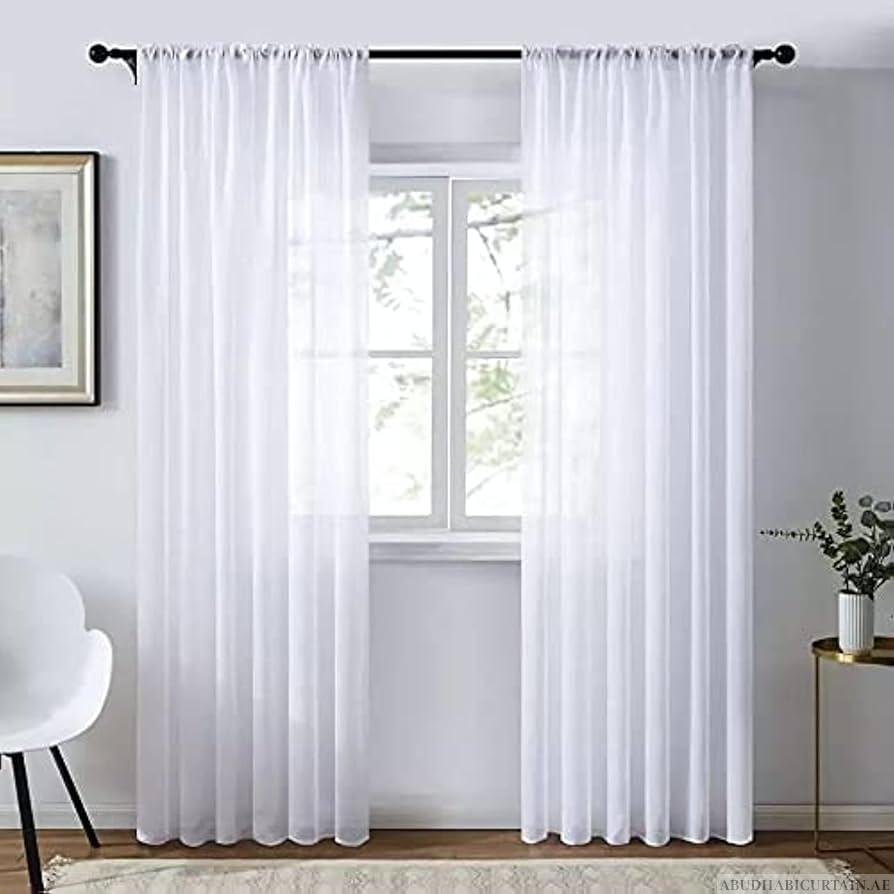
    Light Control and Privacy: Determine the level of light control and privacy you need in the room. Sheer linen curtains provide gentle light filtering and maintain a sense of openness, while lined or blackout linen curtains offer enhanced privacy and light blocking capabilities.

    Customization Options: Explore customization options such as pleats, grommets, or tab tops for your linen curtains to achieve the desired look and functionality. Customized details can elevate the overall appearance of the curtains and tailor them to your specific preferences.

    Budget Considerations: Establish a budget for your curtain project and prioritize factors such as fabric quality, customization options, and hardware costs. While linen curtains may be more expensive than synthetic alternatives, they offer durability and timeless elegance that justify the investment for many homeowners.

    Styling Tips with Linen Curtains

    Styling with linen curtains offers endless possibilities to enhance the aesthetic appeal and ambiance of your living spaces. Here are some creative tips to help you make the most of your linen curtains:

    Layer with Sheers: Create depth and dimension by layering sheer curtains underneath your linen curtains. This combination allows natural light to filter through while maintaining privacy and adding a soft, ethereal quality to the room.

    Mix and Match Textures: Experiment with mixing different textures and fabrics to add visual interest to your window treatments. Pair your linen curtains with velvet, silk, or cotton accents for a dynamic and eclectic look that adds richness and depth to the space.

    Choose Contrasting Colors: Opt for linen curtains in contrasting colors to make a bold statement and draw attention to your windows. Contrast can create a striking focal point in the room and add drama and sophistication to your décor.

    Add Dramatic Length: Hang your linen curtains high above the window frame and let them pool gracefully on the floor for a dramatic and luxurious effect. This elongates the windows and adds a sense of grandeur and elegance to the room.

    Embrace Natural Elements: Emphasize the natural beauty of linen curtains by pairing them with organic materials such as wood, rattan, or bamboo. Incorporate natural elements in your curtain hardware, furniture, and accessories to create a cohesive and harmonious look inspired by nature.

    Accessorize with Tiebacks: Accentuate the elegance of your linen curtains with decorative tiebacks or holdbacks. Choose tiebacks in complementary materials and finishes to add a touch of sophistication and refinement to your window treatments.

    Create Visual Symmetry: Achieve balance and harmony by hanging matching pairs of linen curtains on either side of your windows. Symmetry creates a sense of order and tranquility in the room, enhancing its overall aesthetic appeal.

    Play with Pattern and Print: Explore linen curtains with subtle patterns or prints to add visual interest and personality to your space. Opt for delicate stripes, geometric motifs, or botanical designs to infuse your décor with character and charm.

    Incorporate Layered Looks: Experiment with layering different window treatments, such as blinds or shades, underneath your linen curtains for added versatility and functionality. Layered looks offer increased light control, privacy, and insulation while adding depth and dimension to your windows.

    Consider Seasonal Updates: Refresh your décor with seasonal updates by swapping out your linen curtains for lightweight sheers in the summer or heavier drapes in the winter. Seasonal changes allow you to adapt your window treatments to the changing seasons and create a cozy, inviting atmosphere year-round. linen curtains

    Linen Curtain Care and Maintenance

    Proper care and maintenance are essential to preserve the beauty and longevity of your linen curtains. Follow these tips to keep your linen curtains looking fresh and pristine:

    Regular Dusting and Vacuuming: Dust your linen curtains regularly using a soft-bristled brush attachment on your vacuum cleaner. This helps remove dust, dirt, and debris that may accumulate on the surface of the curtains.

    Gentle Washing: If your linen curtains are machine washable, use a gentle cycle and mild detergent to clean them. Avoid using bleach or harsh chemicals, as they can damage the natural fibers of the linen fabric. Always follow the care instructions provided by the manufacturer.

    Hand Washing: For delicate or hand-wash-only linen curtains, fill a basin or tub with lukewarm water and a small amount of gentle detergent. Gently agitate the curtains in the soapy water, then rinse thoroughly with clean water. Avoid wringing or twisting the fabric, as this can cause wrinkles and damage.

    Air Drying: Hang your linen curtains to air dry naturally after washing. Avoid using a dryer, as high heat can cause shrinkage and damage to the fabric. Smooth out any wrinkles or creases while the curtains are still damp to help them dry evenly.

    Ironing: If your linen curtains become wrinkled after washing or drying, iron them on a low to medium heat setting. Place a clean cloth or pressing cloth over the curtains to protect the fabric from direct heat. Iron the curtains gently, working in small sections to remove wrinkles and creases.

    Steam Cleaning: Consider using a handheld garment steamer to remove wrinkles and freshen up your linen curtains between washings. Steam the curtains evenly, holding the steamer several inches away from the fabric to avoid causing water spots or damage.

    Spot Cleaning: Address spills or stains on your linen curtains promptly to prevent them from setting into the fabric. Blot the affected area with a clean, damp cloth and mild detergent, then rinse with water and allow to air dry. Avoid rubbing or scrubbing, as this can spread the stain and damage the fabric.

    Protect from Sunlight: Minimize prolonged exposure to direct sunlight, as UV rays can cause linen curtains to fade and deteriorate over time. Consider using sheer or lined curtains to provide additional protection against sunlight while still allowing natural light to filter through.

    Rotate and Rest: Rotate your linen curtains periodically to ensure even exposure to light and wear. Consider resting your curtains by folding or storing them away during extended periods of non-use to prevent unnecessary damage and prolong their lifespan.

    Conclusion

    In conclusion, linen curtains stand as a timeless choice for enhancing the beauty and comfort of your home. Their natural elegance, breathability, and durability make them a favored option for window treatments in a variety of decor styles

    Why should I choose linen curtains?
    Why should I choose linen curtains?

    Why should I choose linen curtains?

    Linen curtains are a timeless choice that combine natural elegance, durability, and practicality, making them a perfect addition to any home. If you’re searching for window treatments that balance style with function, linen is one of the best options to consider.

    Here are the key reasons to choose linen curtains:

    • Natural & Eco-Friendly: Made from flax fibers, linen is a sustainable and biodegradable fabric, ideal for eco-conscious homes.
    • Breathability: Linen allows air circulation while filtering light, creating a fresh and airy atmosphere.
    • Elegant Aesthetic: With their soft texture and subtle drape, linen curtains bring a relaxed yet sophisticated look to any room.
    • Durability: Linen is strong and long-lasting, often outlasting synthetic fabrics with proper care.
    • Light Control & Privacy: Linen provides a balance between letting in natural light and maintaining privacy.
    • Easy Maintenance: Linen curtains are relatively easy to care for with gentle washing, and they naturally resist dust and dirt.

    In short, linen curtains are not just a decorative element; they are a practical and eco-friendly solution that enhances comfort, style, and sustainability in your living space.

    frequently asked questions about Choosing the Right Linen Curtains

    Why should I choose linen curtains?

    Linen curtains are breathable, durable, eco-friendly, and add a natural, elegant look to any room.

    What colors of linen curtains work best in different rooms?

    Neutral tones like beige, white, or gray suit most spaces, while darker or bold shades add drama and contrast in living or dining rooms.

    Are linen curtains suitable for all rooms?

    Yes, but they are especially ideal for living rooms and bedrooms. In bathrooms or kitchens, ensure proper ventilation to prevent moisture damage.

    Do linen curtains block out light effectively?

    Linen is semi-sheer, allowing natural light while maintaining privacy. For full blackout, pair them with a lining or layered curtains.

    How do I maintain linen curtains?

    Regular gentle washing or dry cleaning keeps them fresh. Avoid harsh detergents to preserve fabric quality and softness.

    Can linen curtains be customized to fit my space?

    Absolutely. Linen curtains can be tailored in length, width, and style (pleated, grommet, rod pocket) to match your décor.

  • Applications of Cotton Curtains: Ideal Settings and Use Cases

    Applications of Cotton Curtains: Ideal Settings and Use Cases


    Cotton Curtains

    Cotton curtains are a timeless choice for window treatments, prized for their natural beauty, versatility, and functionality. With their soft texture, subtle sheen, and wide range of colors and patterns, cotton curtains add a touch of elegance and warmth to any room. From traditional to contemporary interiors, cotton curtains are suitable for a variety of settings and use cases, making them a popular choice among homeowners and interior designers alike.

    In this article, we will explore the diverse applications of cotton curtains and highlight their ideal settings and use cases. Whether you’re looking to enhance the ambiance of your living room, create a cozy retreat in the bedroom, or add a touch of charm to your kitchen, cotton curtains offer endless possibilities for elevating the style and comfort of your space.

    Brief Overview of Cotton Curtains as a Popular Choice in Home Décor

    Cotton curtains have long been cherished as a staple in home décor due to their versatility, natural beauty, and practical benefits. As one of the most widely used natural fibers, cotton offers a range of qualities that make it an ideal material for window treatments. From its soft texture to its breathability and durability, cotton curtains effortlessly combine style and functionality to enhance the ambiance of any living space.

    Cotton curtains come in a variety of styles, colors, and patterns, making them suitable for a wide range of interior design preferences and décor themes. Whether you prefer a casual, relaxed look or a more formal and sophisticated aesthetic, cotton curtains can be tailored to suit your personal style and complement the overall design scheme of your home.

    In addition to their aesthetic appeal, cotton curtains also offer practical benefits that contribute to a comfortable and inviting living environment. The natural properties of cotton, including its breathability and light filtration capabilities, help regulate temperature and create a cozy atmosphere in any room. Furthermore, cotton curtains are easy to maintain and care for, making them a convenient choice for busy households.Cotton Curtains

     The Benefits of Cotton Curtains

    Cotton curtains offer a multitude of benefits that make them a preferred choice for homeowners and interior designers alike. From their natural properties to their versatility in design, cotton curtains provide numerous advantages for enhancing the ambiance and functionality of any living space. Here are some key benefits of cotton curtains:

    Natural Fabric Properties:

    • Breathability: Cotton is a highly breathable fabric, allowing air to circulate freely through the curtains and helping maintain a comfortable indoor environment.
    • Light Filtration: Cotton curtains offer gentle light filtration, allowing diffused sunlight to enter the room while providing privacy and reducing glare.

     Comfort and Softness:

    • Soft Texture: Cotton curtains have a soft and inviting texture that adds warmth and comfort to any room.
    • Year-Round Comfort: Cotton curtains are suitable for all seasons, providing insulation during colder months while remaining lightweight and airy in warmer weather.

    Durability and Longevity:

    • Sturdy Construction: Cotton is a durable material that can withstand regular use and handling without losing its shape or integrity.
    • Long-Lasting: With proper care and maintenance, cotton curtains can maintain their color, texture, and appearance for years, making them a worthwhile investment for homeowners.

    Versatility in Design:

    • Variety of Styles: Cotton curtains are available in a wide range of styles, including sheer, semi-sheer, blackout, and decorative patterns, allowing for customization to suit different decor preferences.
    • Color and Pattern Options: Cotton curtains come in an array of colors and patterns, from classic neutrals to vibrant hues and intricate designs, offering endless possibilities for coordinating with existing decor themes.

    Easy Maintenance:

    • Machine Washable: Many cotton curtains are machine washable, making them easy to clean and maintain.
    • Minimal Maintenance: Cotton curtains require minimal upkeep, with regular washing and occasional spot cleaning to keep them looking fresh and vibrant.

     Eco-Friendly Choice:

    • Sustainable Material: Cotton is a natural, renewable resource that is biodegradable and environmentally friendly.
    • Low Environmental Impact: Cotton curtains have a lower environmental impact compared to synthetic materials, making them a sustainable choice for eco-conscious consumers.

    Incorporating Cotton Curtains in Different Rooms

    Cotton curtains are versatile window treatments that can enhance the ambiance and functionality of various rooms in your home. From the living room to the bedroom and beyond, here are some creative ways to incorporate cotton curtains into different living spaces:

     Living Room:

    • Casual Elegance: Choose lightweight cotton curtains in neutral tones to create a casual and inviting atmosphere in the living room.
    • Layering Textures: Pair cotton curtains with natural materials like rattan or bamboo blinds for a layered look that adds depth and visual interest.
    • Floor-Length Drapes: Opt for floor-length cotton drapes to elongate the appearance of windows and create a sense of grandeur in the living room.

    Bedroom:

    • Soft and Serene: Select soft, pastel-colored cotton curtains to evoke a serene and calming atmosphere in the bedroom.
    • Blackout Options: Consider using blackout cotton curtains to block out light and create a cozy sleeping environment, especially for bedrooms exposed to streetlights or early morning sunlight.
    • Sheer Elegance: Layer sheer cotton curtains over heavier drapes to allow natural light to filter through during the day while maintaining privacy and softening the overall look of the bedroom.

     Dining Room:

    • Formal Dining: Choose tailored cotton curtains in rich, deep colors or classic patterns to add a touch of elegance to the dining room.
    • Café Curtains: Install café-style cotton curtains to cover the lower half of windows, allowing natural light to enter while maintaining privacy during meal times.
    • Seasonal Accents: Consider changing out cotton curtains seasonally to reflect the changing seasons and add a fresh, seasonal touch to the dining room decor.

    Home Office:

    • Natural Light: Use lightweight cotton curtains in neutral tones to allow ample natural light into the home office, creating a bright and productive workspace.
    • Functional Design: Opt for cotton curtains with built-in features like grommets or tab tops for easy opening and closing, providing convenience and functionality in the home office environment.
    • Personalized Style: Choose cotton curtains in patterns or colors that reflect your personal style and inspire creativity in the home office space.

     Children’s Room:

    • Playful Patterns: Select cotton curtains in playful patterns or vibrant colors to create a fun and lively atmosphere in the children’s room.
    • Easy Care: Choose machine-washable cotton curtains for easy maintenance and durability, ideal for busy kids’ rooms.
    • Lightweight and Airy: Opt for lightweight cotton curtains that allow plenty of natural light to enter the room while providing a sense of coziness and comfort for children.

    Choosing the right Cotton Curtains to complement your décor

    Selecting the perfect cotton curtains is a crucial step in enhancing the overall aesthetic of your living space. With a variety of styles, colors, and patterns to choose from, cotton curtains offer a versatile canvas for expressing your personal style and harmonizing with your existing décor. Here are some essential considerations to guide you in choosing the right cotton curtains that complement your home:

    Consider Your Decor Theme:

    • Assess the overall theme and style of your existing décor. Whether it’s contemporary, rustic, bohemian, or classic, choose cotton curtains that seamlessly integrate with the established design scheme.

    Color Coordination:

    • Harmonize the color of your cotton curtains with the existing color palette of the room. Opt for curtains that complement or contrast the wall colors, furniture, and accessories for a balanced and cohesive look.

    Natural Light Requirements:

    • Evaluate the amount of natural light you want in the room. Choose lighter-colored cotton curtains if you aim to maximize natural light, or go for darker hues for a cozy and intimate atmosphere.

    Pattern Preferences:

    • Consider the existing patterns in your furniture, rugs, or accent pieces. If your décor features bold patterns, opt for solid-colored cotton curtains to maintain balance. Conversely, if your furnishings are more neutral, you may introduce patterned cotton curtains for visual interest.

    Texture and Weave:

    • Explore different textures and weaves available in cotton curtains. For a casual and relaxed ambiance, choose lightweight and loosely woven cotton. For a more formal look, opt for densely woven cotton with a smoother texture.

    Length and Fullness:

    • Determine the ideal length of the curtains based on your preference and the room’s proportions. Floor-length curtains can create a dramatic effect, while shorter curtains offer a more casual appearance. Additionally, consider the fullness of the curtains to achieve a lush and elegant drape.

    Curtain Style:

    • Select a curtain style that complements your décor. Choose from various styles such as rod pocket, grommet, tab top, or pinch pleat, depending on the overall aesthetic you wish to achieve.

    Functionality and Light Control:

    • Consider the functionality of the curtains and your light control needs. Sheer cotton curtains provide a light and airy feel, while blackout cotton curtains are ideal for bedrooms or spaces requiring privacy and light reduction.

    Maintenance and Care:

    • Evaluate the maintenance requirements. If ease of care is essential, opt for machine-washable cotton curtains. Some curtains may require special care or professional cleaning.

    Budget Considerations:

    • Set a budget for your curtain selection. Cotton curtains are available at various price points, so identifying your budget range helps narrow down your options.

    Cotton Curtains

    Maintenance and Care Guide for Cotton Curtains

    Cotton curtains add charm and elegance to any room, but proper maintenance is essential to keep them looking fresh and vibrant. Here are some maintenance and care tips to help you preserve the beauty and longevity of your cotton curtains:

    Regular Dusting and Vacuuming:

    • Dust your cotton curtains regularly using a soft brush attachment on your vacuum cleaner or a duster. This helps prevent dust buildup and keeps the fabric looking clean.

    Spot Cleaning:

    • Attend to spills and stains promptly by spot cleaning the affected areas with a mild detergent and water solution. Gently blot the stain with a clean cloth or sponge, avoiding rubbing, which can spread the stain.

    Machine Washing:

    • Check the care label on your cotton curtains to determine if they are machine washable. If so, machine wash them in cold water on a gentle cycle with a mild detergent.
    • Use a gentle spin cycle to prevent excessive wrinkling. Avoid using hot water or harsh detergents, as they can damage the fabric.

    Hand Washing:

    • If your cotton curtains are not machine washable or if you prefer hand washing, fill a basin or bathtub with cold water and a small amount of mild detergent.
    • Gently agitate the curtains in the water, then rinse thoroughly with clean water until all detergent residue is removed.

    Drying:

    • Hang your cotton curtains to air dry or tumble dry on a low heat setting. Avoid exposing them to direct sunlight, as prolonged exposure can cause colors to fade.
    • To minimize wrinkles, remove the curtains from the dryer while still slightly damp and smooth out any wrinkles by hand.

    Ironing:

    • If necessary, iron your cotton curtains on a low to medium heat setting while they are still slightly damp. Use a pressing cloth to protect the fabric from direct heat.
    • Iron the curtains on the reverse side to prevent shine or damage to the fabric surface.

    Dry Cleaning:

    • For delicate or heavily soiled cotton curtains, consider professional dry cleaning. Be sure to choose a reputable dry cleaner experienced in handling cotton fabrics.

    Storage:

    • Store your cotton curtains in a dry, well-ventilated area when not in use. Avoid folding them for long periods, as this can cause creases and wrinkles to set in.
    • Consider using padded hangers to prevent stretching or distortion of the fabric.

    Regular Inspections:

    • Periodically inspect your cotton curtains for signs of wear, tear, or fading. Address any issues promptly to prevent further damage and prolong the lifespan of your curtains.

    Conclusion

    Cotton curtains are more than just window treatments; they are essential elements of home decor that add warmth, style, and character to any room. With their natural beauty, versatility, and practicality, cotton curtains have remained a popular choice among homeowners for generations

    Are cotton curtains suitable for kitchens or bathrooms?
    Are cotton curtains suitable for kitchens or bathrooms?

    Are cotton curtains suitable for kitchens or bathrooms?

    Cotton curtains can be a practical and stylish choice for kitchens and bathrooms, but their suitability depends on fabric type, weight, and room conditions.

    Here are some key points to consider:

    In Kitchens:

    • Cotton curtains work well because they are lightweight, breathable, and easy to wash.
    • Opt for shorter styles like café curtains or valances to avoid contact with spills or cooking splatters.
    • Printed or patterned cotton can help disguise minor stains until wash day.

    In Bathrooms:

    • Cotton curtains can be used, but they need proper ventilation since humidity may cause shrinkage, mildew, or fading over time.
    • They work best as decorative side curtains rather than the main shower curtain.
    • Choosing cotton blends with moisture-resistant treatments or pairing with a liner extends their lifespan.

    Cotton curtains are suitable for kitchens and bathrooms if you prioritize washability and ventilation, but for higher moisture areas, you may want to consider cotton blends or synthetic alternatives for better durability.

    frequently asked questions about Applications of Cotton Curtains

    Where are cotton curtains best used?

    Cotton curtains are versatile and work well in living rooms, bedrooms, dining areas, and even home offices due to their light, breathable fabric.

    Are cotton curtains suitable for kitchens or bathrooms?

    Yes, but it’s best to use lightweight, washable cotton in kitchens. For bathrooms, ensure proper ventilation to prevent moisture-related damage.

    Do cotton curtains provide enough privacy?

    Standard cotton curtains offer moderate privacy. For added privacy or blackout effects, choose lined or layered cotton curtains.

    Can cotton curtains fit both modern and traditional interiors?

    Absolutely. Cotton curtains come in a variety of colors, patterns, and textures, making them adaptable to any décor style.

    Are cotton curtains good for high-traffic areas?

    Yes, because they are easy to clean and maintain, making them practical for frequently used spaces like living rooms and dining areas.

    Do cotton curtains help with insulation?

    While cotton provides some insulation, pairing them with a thermal or blackout lining enhances energy efficiency and sound absorption.

  • Design Considerations for Motorized Curtains: Integration with Home Decor

    Design Considerations for Motorized Curtains: Integration with Home Decor

    Motorized Curtains

    Motorized curtains offer a seamless blend of functionality, style, and convenience in modern home automation systems. As technology continues to revolutionize the way we interact with our living spaces, motorized curtains have emerged as a popular choice for homeowners seeking to enhance both the aesthetic appeal and practicality of their homes.

    One of the key considerations when incorporating motorized curtains into home decor is how to seamlessly integrate them with the existing design scheme. From traditional to contemporary interiors, motorized curtains can be customized to complement any decor style while providing unparalleled convenience and control.

     Importance of Motorized Curtains in Home Décor

    Motorized curtains are not just functional additions to a home; they are also integral elements of modern home décor. Here’s why motorized curtains hold significance in enhancing the aesthetic appeal and overall ambiance of living spaces:

    Sleek and Minimalist Design:

    • Motorized curtains feature sleek and streamlined designs that contribute to a minimalist aesthetic in home interiors.
    • The absence of visible cords or manual control mechanisms creates a clean and uncluttered look, enhancing the visual appeal of windows and living spaces.

    Versatile Fabric Options:

    • Motorized curtains are available in a wide range of fabric options, textures, and colors to suit different interior styles and design preferences.
    • From sheer fabrics that allow soft diffused light to flow into the room to heavier materials that provide privacy and insulation, motorized curtains offer versatility in achieving desired light control and ambiance.

    Customization and Personalization:

    • Motorized curtain systems can be customized to match the specific design aesthetic and décor theme of a home.
    • Homeowners have the flexibility to choose curtain fabrics, patterns, and designs that complement existing furnishings and architectural elements, adding a personalized touch to their living spaces.

    Seamless Integration with Interior Design Elements:

    • Motorized curtains seamlessly integrate with other interior design elements such as furniture, wall colors, and accessories.
    • Their ability to blend effortlessly into the overall design scheme of a room enhances visual cohesion and harmony, creating a cohesive and well-coordinated look.
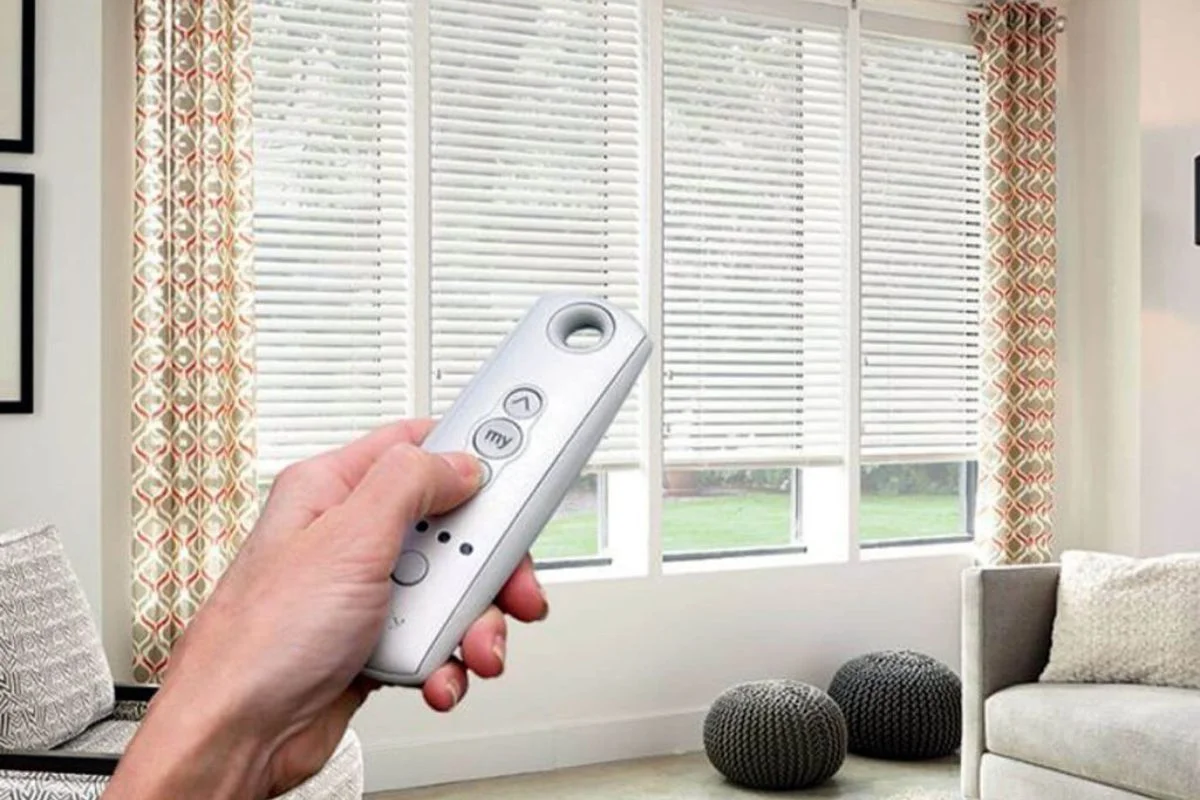
    Enhanced Elegance and Sophistication:

    • The automated movement of motorized curtains adds an element of sophistication and luxury to home interiors.
    • The smooth and quiet operation of motorized systems lends an air of elegance to living spaces, elevating the overall ambiance and perceived value of the home.

    Focal Point Enhancement:

    • Motorized curtains can serve as focal points in interior design, drawing attention to windows and architectural features.
    • By choosing statement fabrics or bold patterns, homeowners can use motorized curtains to create visual interest and focal points within their living spaces.

    Definition and functionality of motorized curtain systems

    Motorized curtain systems, also known as automated or electric curtain systems, are innovative window treatment solutions designed to offer convenience, comfort, and control over natural light and privacy within a space. These systems consist of several key components that work together to automate the opening and closing of curtains or draperies.

    Motorized Mechanism: At the heart of a motorized curtain system is an electric motor that drives the movement of the curtains. The motor is typically installed discreetly within the curtain track or rod, hidden from view to maintain the aesthetics of the window treatment.

    Control Mechanisms: Motorized curtain systems can be operated using various control mechanisms, including remote controls, wall-mounted switches, smartphone apps, or voice commands through integration with smart home systems like Amazon Alexa or Google Assistant. These control options provide users with the flexibility to adjust the curtains according to their preferences and needs.

    Curtain Tracks or Rods: Motorized curtain systems utilize specially designed tracks or rods that accommodate the movement of the curtains. These tracks or rods are engineered to support the weight of the curtains and provide smooth and silent operation during opening and closing.

    Power Source: Motorized curtain systems require a power source to operate the electric motor. Depending on the system’s design and installation, power can be supplied through hardwiring to the electrical grid or using rechargeable batteries for wireless operation. Some advanced systems may also feature solar-powered options for eco-friendly energy consumption.

    Safety Features: Many motorized curtain systems come equipped with built-in safety features to prevent accidents and ensure user safety. These features may include obstacle detection sensors that stop the curtains’ movement if an obstruction is detected in their path, as well as manual override options for manual operation in case of power failure or emergencies.

    Motorized Curtains

    Benefits of Motorized Curtains

    Motorized curtains offer a wide range of benefits that enhance convenience, comfort, and functionality in both residential and commercial settings. Here are some key advantages of incorporating motorized curtains into your space:

    Convenience and Ease of Operation:

    • Motorized curtains can be effortlessly opened or closed with the touch of a button, a remote control, or even through voice commands with smart home integration.
    • Users can adjust curtain settings from anywhere within the room, eliminating the need to manually operate heavy or hard-to-reach curtains.

    Enhanced Accessibility:

    • Motorized curtains provide increased accessibility for individuals with mobility challenges or physical limitations.
    • People with disabilities or seniors can easily control the curtains without the need for assistance, promoting independence and autonomy.

    Improved Light Control:

    • Motorized curtains allow precise control over natural light levels in a room, enabling users to adjust the curtains to their desired position throughout the day.
    • By regulating sunlight exposure, motorized curtains help reduce glare on screens, protect interior furnishings from UV damage, and create optimal lighting conditions for various activities.

    Energy Efficiency:

    • Motorized curtains contribute to energy savings by optimizing natural light utilization and reducing reliance on artificial lighting.
    • Automated scheduling and programming options enable users to coordinate curtain movements with daylight patterns, maximizing energy efficiency and reducing utility costs.

    Enhanced Security and Privacy:

    • Motorized curtains offer enhanced security and privacy by providing quick and convenient control over window coverings.
    • Users can close the curtains remotely or program them to automatically close during nighttime hours, increasing privacy and deterring intruders.

    Noise Reduction:

    • Motorized curtain systems operate quietly and smoothly, minimizing noise disruptions in the environment.
    • The absence of manual operation eliminates the sound of pulling cords or dragging curtains, creating a more peaceful and comfortable atmosphere.

    Integration with Smart Home Systems:

    • Motorized curtains seamlessly integrate with smart home automation systems, allowing users to control curtains along with other connected devices.
    • Integration with platforms like Google Home or Amazon Alexa enables voice-controlled operation and synchronization with other smart home features.

    Customization and Design Flexibility:

    • Motorized curtains come in a variety of fabric options, styles, and designs to suit diverse aesthetic preferences and interior decor themes.
    • Users can customize curtain settings and create personalized schedules to match their lifestyle and preferences.

    Motorized Curtains

    Installation and Maintenance Tips for Motorized Curtains

    Installing and maintaining motorized curtains requires careful consideration and attention to detail to ensure proper functionality and longevity. Here are some essential tips to help with the installation and maintenance of motorized curtain systems:

    Professional Installation:

    • Consider hiring a professional installer with experience in motorized curtain systems to ensure proper setup and alignment.
    • Professional installers can accurately measure window dimensions, select appropriate hardware, and install the motorized tracks or rods securely.

    Proper Measurement and Preparation:

    • Take accurate measurements of the window or opening where the motorized curtains will be installed to ensure a precise fit.
    • Prepare the installation area by clearing any obstacles or obstructions that may interfere with curtain movement or installation.

    Selecting the Right Power Source:

    • Determine the most suitable power source for the motorized curtain system, whether it’s hardwired to the electrical grid or battery-powered for wireless operation.
    • Ensure that power outlets or charging points are conveniently located and accessible for maintenance and troubleshooting.

    Testing and Calibration:

    • After installation, test the motorized curtain system to ensure smooth and proper operation.
    • Calibrate the system’s settings and programming options to align with user preferences and room conditions.

    Regular Maintenance Checks:

    • Perform regular maintenance checks on the motorized curtain system to identify any issues or malfunctions early on.
    • Inspect the curtain tracks, motor mechanisms, and control systems for signs of wear, damage, or debris accumulation.

    Cleaning and Lubrication:

    • Keep the curtain tracks and motor mechanisms clean and free of dirt, dust, and debris that may affect operation.
    • Use a soft brush or cloth to gently remove any buildup, and avoid using harsh chemicals or abrasive cleaners that may damage the system.
    • Periodically lubricate moving parts and hinges to ensure smooth and quiet operation of the motorized curtains.

    Addressing Issues Promptly:

    • If any issues or malfunctions arise with the motorized curtain system, address them promptly to prevent further damage or inconvenience.
    • Consult the manufacturer’s instructions or seek professional assistance for troubleshooting and repairs as needed.

    Safety Considerations:

    • Ensure that the motorized curtain system complies with safety standards and regulations, particularly regarding child safety and prevention of entanglement hazards.
    • Educate household members or users on safe operation and handling of the motorized curtains, especially in homes with children or pets.

    Conclusion

    In conclusion, motorized curtains offer a myriad of benefits that enhance convenience, comfort, and functionality in residential and commercial spaces alike. From their seamless integration with smart home systems to their ability to enhance accessibility and energy efficiency, motorized curtains represent a modern and innovative solution for controlling natural light, privacy, and ambiance within a space.

    Can motorized curtains match any interior design style?
    Can motorized curtains match any interior design style?

    Can motorized curtains match any interior design style?

    When choosing curtains, many homeowners worry that technology-driven options like motorized curtains may limit their design flexibility. In reality, motorized curtains are designed not only for convenience but also to seamlessly integrate with any home décor style. Whether your space leans toward a modern minimalist look, a classic traditional theme, or a cozy rustic ambiance, motorized curtains can be tailored to enhance the overall aesthetic.

    Here’s how motorized curtains can match any style:

    • Wide Fabric Selection: Available in lightweight sheers, elegant silks, durable cotton, and even luxurious velvets.
    • Customizable Designs: Choose from pleated, ripple-fold, eyelet, or grommet styles to match the mood of your interiors.
    • Neutral or Bold Colors: From soft neutrals for contemporary spaces to vibrant hues and patterns for eclectic designs.
    • Discreet Technology: Tracks and motors can be hidden, ensuring the focus remains on the curtain design, not the mechanism.
    • Versatility: Suitable for modern lofts, classic living rooms, luxurious bedrooms, or even commercial spaces.

    frequently asked questions about Design Considerations

    Can motorized curtains match any interior design style?

    Yes, motorized curtains are available in a wide range of fabrics, colors, and designs, making them adaptable to both modern and traditional décor.

    What fabrics work best for motorized curtains?

    Lightweight fabrics glide more smoothly, but motorized systems can also handle heavier materials like velvet or blackout curtains with the right motor strength.

    How can motorized curtains enhance home décor?

    They provide a sleek, modern look while eliminating the need for visible cords or manual adjustments, creating a clean and elegant finish.

    Do motorized curtains work with smart home systems?

    Yes, most motorized curtain systems can integrate with smart home platforms like Alexa, Google Home, or Apple HomeKit for seamless control.

    Are motorized curtains customizable?

    Absolutely. You can choose the track length, fabric type, pleat style, and control options to perfectly fit your space and design preferences.

    Do motorized curtains affect natural lighting and privacy?

    Yes, you can program them to open or close at specific times, balancing daylight, ambiance, and privacy to suit your lifestyle.

  • Wooden Blinds Trends: Modern Designs and Innovations

    Wooden Blinds Trends: Modern Designs and Innovations

    Wooden Blinds

    In the realm of window treatments, wooden blinds have long been revered for their timeless appeal and natural elegance. However, as design trends evolve and technology advances, the world of wooden blinds is undergoing a transformation. Today, modern designs and innovative features are revolutionizing the way we perceive and utilize wooden blinds in our homes and spaces.

    In this exploration of “Wooden Blinds Trends: Modern Designs and Innovations,” we delve into the latest developments shaping the landscape of wooden blinds. From contemporary aesthetics to cutting-edge functionalities, this article uncovers the exciting trends that are redefining wooden blinds as both a practical window solution and a stylish design element.

    Join us as we embark on a journey through the world of wooden blinds, where traditional craftsmanship meets modern sensibilities, and explore how these trends are revolutionizing the way we dress our windows and elevate our interiors.

    Brief Overview of Wooden Blinds:

    Wooden blinds are classic window treatments made from natural wood materials such as basswood, cedar, or bamboo. They feature horizontal slats that can be adjusted to control light and privacy, providing a timeless and elegant solution for enhancing the aesthetics of any room.

    Originating centuries ago, wooden blinds have evolved from simple designs to more sophisticated options that cater to modern design preferences. They offer a warm and inviting ambiance, adding a touch of nature to interior spaces while complementing various decor styles, from traditional to contemporary.

    Wooden blinds come in a range of finishes, stains, and slat sizes, allowing homeowners to customize their window treatments to match their decor preferences. Whether you prefer the rich warmth of dark wood tones or the light, airy feel of natural finishes, there’s a wooden blind option to suit every taste.

    With their versatility, durability, and timeless appeal, wooden blinds continue to be a popular choice for homeowners seeking both style and functionality in their window coverings. Whether used in living rooms, bedrooms, or home offices, wooden blinds add a touch of sophistication and charm to any space

    Importance of Wooden Blinds in Interior Design:

    Wooden blinds play a crucial role in interior design, offering both aesthetic and functional benefits that contribute to the overall ambiance and atmosphere of a space. Here are several reasons why wooden blinds are important in interior design:

    Natural Aesthetics: Wooden blinds bring the beauty of nature indoors, adding warmth, texture, and visual interest to any room. Their natural materials and organic textures create a sense of coziness and connection to the outdoors, enhancing the overall ambiance of the space.

    Versatility: Wooden blinds are incredibly versatile and can complement a wide range of interior design styles, from rustic and traditional to modern and contemporary. They come in various finishes, stains, and slat sizes, allowing homeowners to customize their window treatments to suit their decor scheme perfectly.

    Light Control and Privacy: Wooden blinds offer excellent light control and privacy, allowing occupants to adjust the angle of the slats to regulate the amount of natural light entering the room. This feature is particularly important in spaces where privacy is essential, such as bedrooms and bathrooms.

    Durability and Longevity: Wooden blinds are known for their durability and longevity, making them a practical investment for homeowners. Made from sturdy materials such as basswood or bamboo, wooden blinds can withstand daily use and maintain their appearance over time with minimal maintenance.

    Enhanced Comfort: By regulating natural light and providing privacy, wooden blinds contribute to the comfort and functionality of a space. They help create a cozy and inviting atmosphere, making rooms feel more comfortable and inviting for occupants and guests alike.

    Aesthetic Enhancement: Wooden blinds serve as stylish and sophisticated window treatments that elevate the overall aesthetic of a room. Their timeless appeal adds a touch of elegance and sophistication to any interior, making them a popular choice among homeowners and interior designers.

    Connection to Nature: Incorporating natural elements such as wood into interior design has been shown to have positive effects on mood and well-being. Wooden blinds help create a sense of harmony and tranquility by bringing the beauty of the outdoors into the home environment.

    Wooden Blinds

    Types of Wooden Blinds:

    Wooden blinds come in a variety of styles and materials, each offering unique features and benefits. Here are the main types of wooden blinds commonly available in the market:

    Solid Wood Blinds: Solid wood blinds are crafted from natural hardwood materials such as basswood, oak, or cherry. They feature solid slats that are cut from a single piece of wood, providing a classic and elegant look. Solid wood blinds offer durability, longevity, and a rich, luxurious appearance that adds warmth and sophistication to any room.
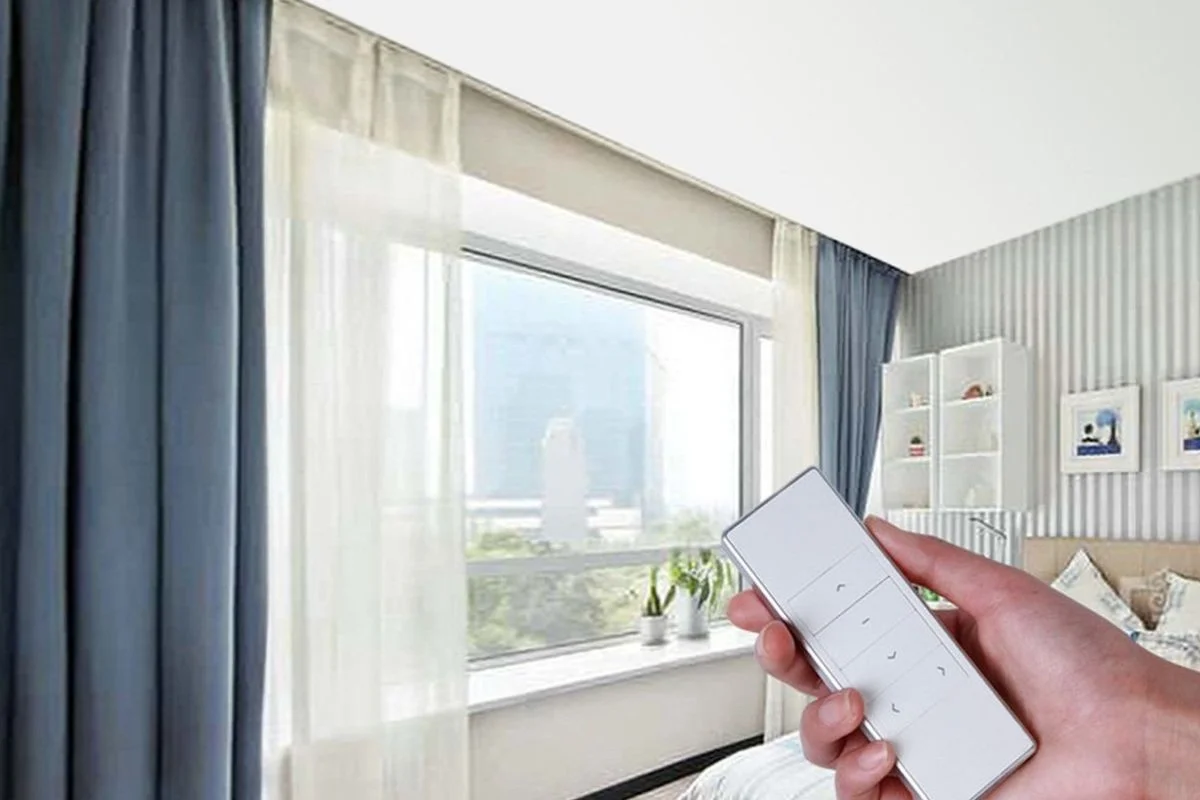
    Faux Wood Blinds: Faux wood blinds are made from synthetic materials such as PVC or composite wood, designed to mimic the look of real wood. They offer the beauty of wood blinds at a more affordable price point and are ideal for areas with high humidity or moisture, such as bathrooms or kitchens. Faux wood blinds are also easy to clean and maintain, making them a practical choice for busy households.

    Bamboo Blinds: Bamboo blinds are crafted from natural bamboo or woven grass materials, offering a unique and eco-friendly window treatment option. They feature slats made from bamboo reeds or strips that are woven together, creating a rustic and organic look. Bamboo blinds provide natural insulation, light filtering properties, and a tropical-inspired aesthetic that adds character to any space.
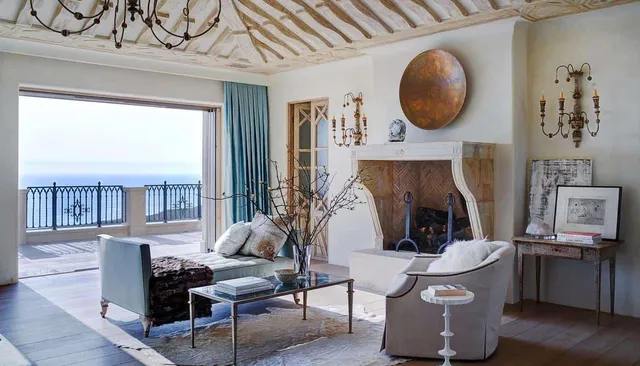
    Wooden Venetian Blinds: Wooden Venetian blinds combine the classic design of traditional wooden blinds with the functionality of Venetian blinds. They feature horizontal slats that can be tilted to control light and privacy, offering versatility and flexibility in adjusting the ambiance of a room. Wooden Venetian blinds come in a variety of wood finishes, stains, and slat sizes, allowing homeowners to customize their window treatments to suit their preferences.

    Basswood Blinds: Basswood blinds are made from lightweight yet durable basswood, known for its straight grain and smooth texture. Basswood blinds offer a sleek and contemporary look, with slats that are easy to adjust for precise light control. They are available in a range of finishes and colors, making them a versatile option for various interior design styles.

    Benefits of Wooden Blinds:

    Wooden blinds offer a plethora of advantages that make them a popular choice among homeowners and interior designers alike. Here are some of the key benefits of incorporating wooden blinds into your home:

    Timeless Elegance: Wooden blinds add a touch of timeless elegance to any room, enhancing the overall aesthetic appeal of the space. Their natural beauty and rich texture create a warm and inviting atmosphere that never goes out of style.

    Versatility: Wooden blinds are incredibly versatile and can complement a wide range of interior design styles, from traditional to contemporary. With various finishes, stains, and slat sizes available, homeowners can customize their wooden blinds to suit their decor preferences perfectly.

    Light Control: One of the primary benefits of wooden blinds is their excellent light control capabilities. The adjustable slats allow you to regulate the amount of natural light entering the room, providing privacy and glare reduction while still allowing for sufficient illumination.

    Privacy: In addition to controlling light, wooden blinds also offer superior privacy protection. By adjusting the angle of the slats, you can prevent prying eyes from peering into your home while still enjoying natural light and outside views.

    Durability: Wooden blinds are known for their durability and longevity, making them a practical investment for homeowners. Made from sturdy materials such as basswood or bamboo, wooden blinds can withstand daily use and maintain their appearance over time with minimal maintenance.

    Insulation: Wooden blinds provide natural insulation against heat and cold, helping to regulate indoor temperatures and reduce energy costs. During the winter months, wooden blinds can help retain heat inside the home, while in the summer, they can block out heat from the sun, keeping the interior cool and comfortable.

    Easy Maintenance: Wooden blinds are relatively easy to clean and maintain, requiring only occasional dusting or wiping with a damp cloth to remove dirt and debris. Unlike fabric curtains or shades, wooden blinds do not trap dust and allergens, making them an ideal choice for allergy sufferers.

    Enhanced Value: Installing wooden blinds can enhance the value of your home by adding a touch of sophistication and luxury to the interior. Potential buyers often view wooden blinds as a desirable feature, making your home more appealing and potentially increasing its resale value.

    Choosing the Right Wooden Blinds for Your Space:

    Selecting the perfect wooden blinds for your home involves considering various factors to ensure they complement your decor, meet your functional needs, and fit your budget. Here are some key considerations to help you choose the right wooden blinds for your space:

    Window Size and Type: Begin by measuring your windows accurately to determine the size and type of wooden blinds needed. Consider whether your windows are standard-sized, bay windows, or specialty shapes, as this will impact the selection of blinds.

    Material and Finish: Wooden blinds are available in a variety of materials, including basswood, bamboo, and faux wood. Each material offers different aesthetics, durability, and maintenance requirements. Choose a material that aligns with your style preferences and practical considerations.

    Color and Stain: Consider the color and stain of the wooden blinds in relation to your decor scheme. Opt for a finish that complements other elements in the room, such as furniture or wall colors. Keep in mind that darker stains can add richness and depth, while lighter finishes can create a more airy and open feel.

    Slat Size: Wooden blinds come in different slat sizes, ranging from narrow to wide. Larger slats provide a more modern and streamlined appearance, while smaller slats offer a classic and traditional look. Select a slat size that suits your aesthetic preferences and the scale of your windows.
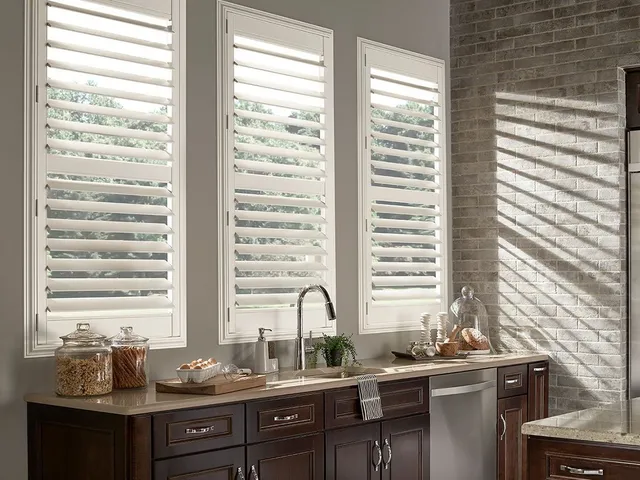
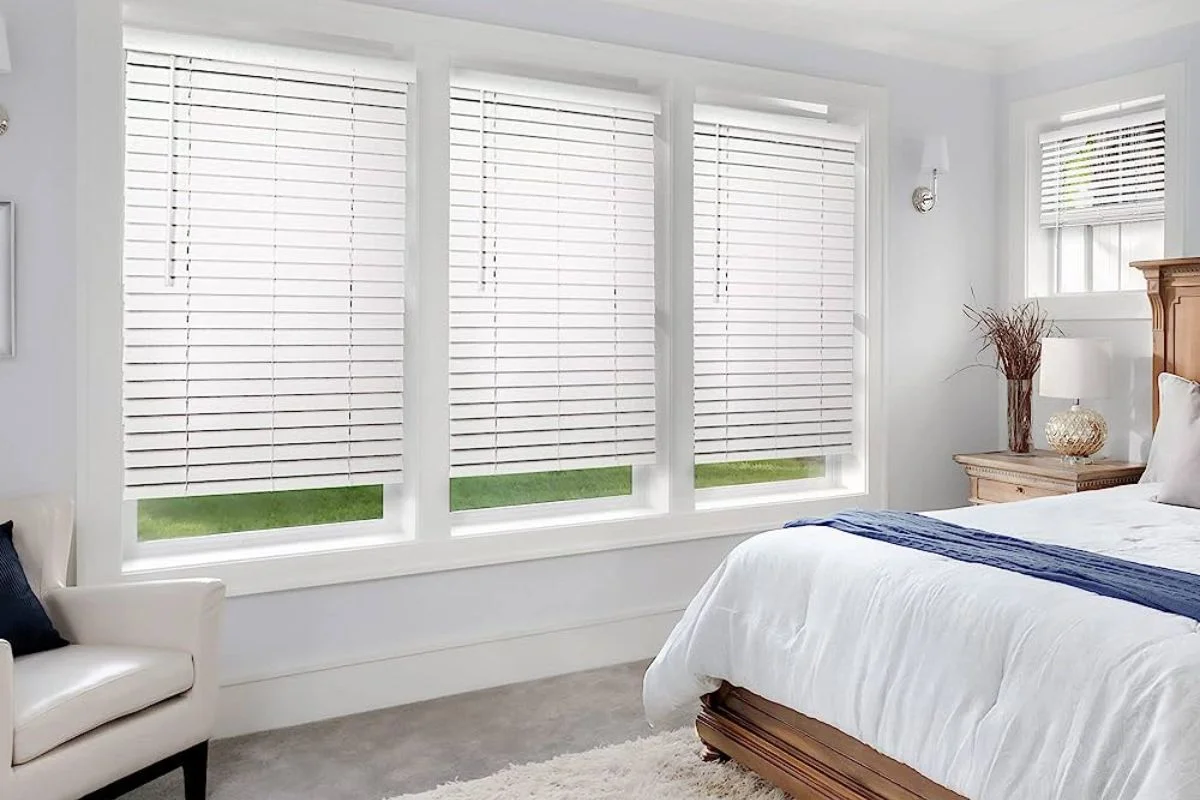
    Operation Mechanism: Decide on the preferred operation mechanism for your wooden blinds. Traditional blinds are operated manually using cords or wands, while motorized options offer remote-controlled or automated operation for convenience. Choose the mechanism that best suits your lifestyle and preferences.

    Customization Options: Explore customization options available for wooden blinds, such as decorative tapes, valances, or cordless designs. These options allow you to personalize your blinds to match your decor style and enhance their visual appeal.

    Budget: Determine your budget for wooden blinds and consider the cost of materials, customization, and installation. Compare prices from different suppliers and consider the long-term value and durability of the blinds when making your decision.

    Sample Testing: If possible, request samples or swatches of wooden blinds to see how they look in your space before making a final decision. This allows you to assess the color, texture, and overall appearance of the blinds in your home environment.

    Wooden Blinds

    Installation and Maintenance Tips for Wooden Blinds:

    Proper installation and maintenance are essential for ensuring that your wooden blinds function smoothly and retain their appearance over time. Here are some helpful tips to guide you through the installation and maintenance process:

    Installation Tips:

    Gather Necessary Tools: Before starting the installation process, make sure you have all the necessary tools on hand, including a measuring tape, screwdriver, level, and mounting brackets provided with the blinds.

    Measure Accurately: Take precise measurements of your windows to ensure that the wooden blinds fit properly. Measure both the width and height of the window opening, and double-check the measurements before cutting or ordering blinds.

    Choose the Mounting Option: Decide whether you want to mount the blinds inside the window frame (recessed) or outside the frame (face-mounted). Follow the manufacturer’s instructions for your chosen mounting option.

    Attach Mounting Brackets: Securely attach the mounting brackets to the window frame or wall, ensuring they are level and aligned properly. Use anchors if necessary for added stability.

    Install the Blinds: Carefully install the headrail of the blinds onto the mounting brackets, following the manufacturer’s instructions. Check that the blinds operate smoothly and adjust as needed.

    Maintenance Tips:

    Dust Regularly: Wooden blinds should be dusted regularly to prevent buildup of dirt and debris. Use a soft cloth, feather duster, or vacuum with a brush attachment to gently remove dust from the slats.

    Spot Clean as Needed: For stubborn stains or spots, spot clean the affected areas using a mild detergent or wood cleaner and a damp cloth. Avoid using harsh chemicals or abrasive cleaners, as they may damage the finish of the blinds.

    Avoid Moisture: Wooden blinds should be kept away from excessive moisture to prevent warping or damage. Avoid installing them in high-humidity areas such as bathrooms or kitchens unless they are specifically designed for moisture resistance.

    Inspect Regularly: Periodically inspect your wooden blinds for any signs of damage or wear and tear, such as loose slats, broken cords, or warped materials. Address any issues promptly to prevent further damage.

    Consider Professional Cleaning: If your wooden blinds require deep cleaning or restoration, consider hiring a professional cleaning service specializing in wood blinds to ensure thorough and safe treatment.

    Conclusion:

    Wooden blinds offer a perfect blend of timeless elegance, versatility, and functionality, making them an ideal choice for any home. Throughout this guide, we’ve explored the various aspects of wooden blinds, from their natural beauty and aesthetic appeal to their practical benefits and installation tips.

    Can wooden blinds be used in humid areas like kitchens or bathrooms?
    Can wooden blinds be used in humid areas like kitchens or bathrooms?

    Can wooden blinds be used in humid areas like kitchens or bathrooms?

    While traditional wooden blinds offer a warm and elegant look, they are not ideal for high-humidity areas such as kitchens or bathrooms. Excess moisture can cause the wood to warp, crack, or lose its finish over time, reducing the lifespan and functionality of the blinds.

    However, there are alternatives designed for humid environments:

    • Faux-wood blinds: Made from PVC or composite materials, they mimic the appearance of natural wood but are resistant to moisture and heat.
    • Moisture-resistant finishes: Some wooden blinds are specially treated with protective coatings to withstand occasional humidity, making them more durable in kitchens or bathrooms.

    In summary, if you want the look of wooden blinds in humid areas, it’s best to choose faux-wood or specially treated options to maintain both style and longevity without worrying about damage.

    frequently asked questions about Wooden Blinds Trends

    What makes wooden blinds popular in modern interiors?

    Wooden blinds add warmth, natural texture, and elegance while complementing a variety of interior styles from contemporary to traditional.

    Are there new innovations in wooden blinds?

    Yes, modern wooden blinds now include motorized options, improved moisture-resistant finishes, slimmer slat designs, and eco-friendly materials.

    How do wooden blinds improve light control?

    Adjustable slats allow precise control over sunlight, reducing glare while maintaining privacy and creating a comfortable atmosphere.

    Can wooden blinds be used in humid areas like kitchens or bathrooms?

    Standard wooden blinds may warp in high humidity, but moisture-resistant or faux-wood options are suitable for kitchens and bathrooms.

    How do I choose the right wooden blinds for my space?

    Consider the room’s size, window type, interior style, desired level of light control, and whether you prefer natural wood tones or painted finishes.

Call Now