

Small spaces come with unique challenges when it comes to decor, and curtains can play a crucial role in enhancing both style and functionality. The right curtains can make a compact room feel more open, bring in light while maintaining privacy, and add a sense of elegance without overwhelming the space. This guide covers essential considerations for choosing curtains that maximize the potential of small spaces.
Importance of Curtain Choices in Small Spaces
In small spaces, every design element matters, and curtains are no exception. They not only control light and privacy but also influence the room’s overall aesthetic and spatial perception. Poor curtain choices can make a small room feel cluttered or confined, while well-selected ones create a sense of openness and sophistication.
Curtains act as a visual frame for windows, drawing the eye upward or outward to make a room appear larger. They also soften harsh edges, adding warmth and texture. For instance, using floor-to-ceiling curtains can give the illusion of higher ceilings, making the space feel more expansive. Functionally, they help regulate indoor temperatures and block out unwanted noise, which is particularly beneficial in urban settings.
Selecting curtains tailored to the needs of small spaces ensures that they enhance rather than hinder your design goals. By focusing on their dual role in aesthetics and functionality, you can transform a compact room into a cozy, stylish retreat.
Choosing the Perfect Fabric: Elevate Your Small Space with the Right Curtain Material
The fabric you choose for your curtains can significantly impact how a small space feels and functions. Lightweight fabrics such as linen, cotton, or sheers are ideal for compact areas, as they allow natural light to filter through while maintaining a sense of airiness. Heavier fabrics like velvet or brocade, although luxurious, can overwhelm a small room, making it feel confined.
Lightweight materials are easier to manage and contribute to a clean, minimalist look. For example, sheer curtains paired with a secondary layer of blackout fabric can provide flexibility for both daytime and nighttime needs. In small spaces, it’s essential to strike a balance between opacity and translucency, ensuring enough light enters the room while preserving privacy.
Additionally, the fabric’s texture plays a role in the room’s ambiance. Smooth, matte fabrics create a seamless, understated look, while textured options add depth and character without dominating the room. Choosing durable, low-maintenance fabrics ensures that the curtains remain functional and visually appealing over time. The right fabric selection can completely transform how a small room feels, enhancing both comfort and practicality.
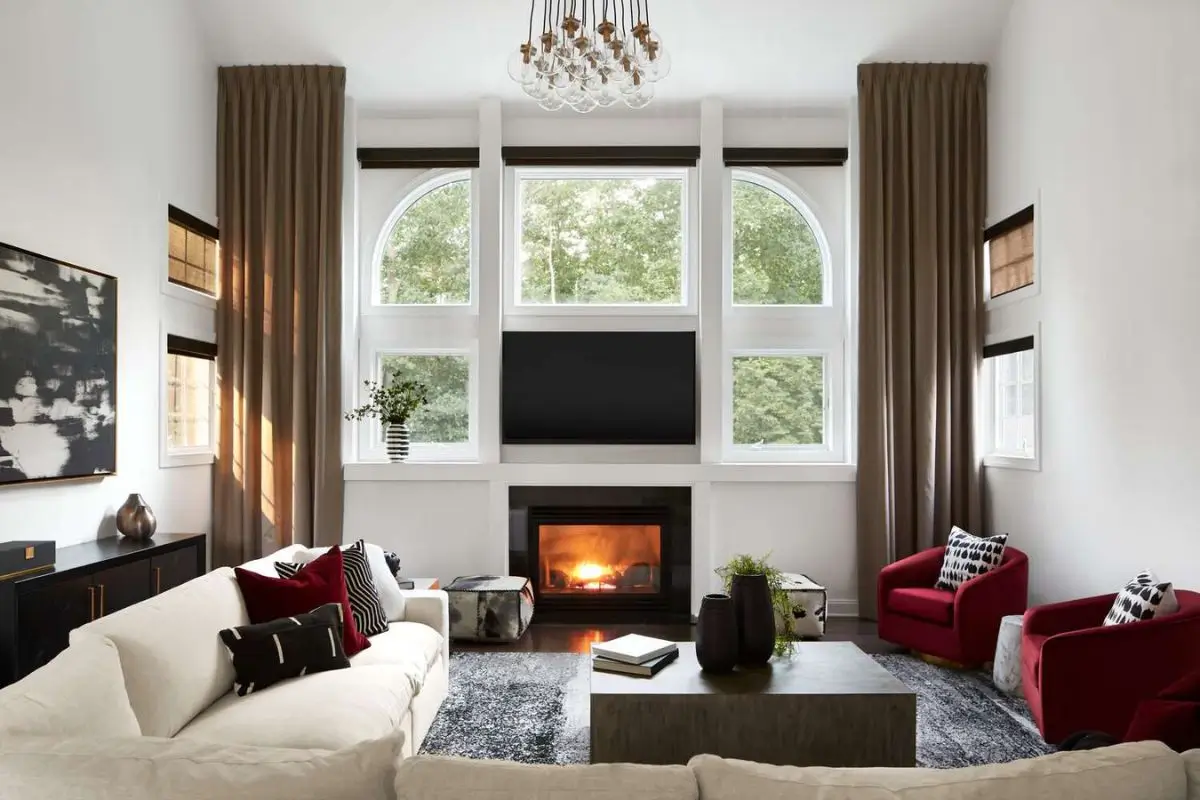
Unlock the Power of Color and Patterns: Transform Small Spaces with the Right Curtain Choices
The color and pattern of your curtains can dramatically influence the perception of space in a small room. Light, neutral tones such as white, beige, or pastel shades are excellent choices, as they reflect natural light and make the room appear larger and brighter. Dark or bold colors, on the other hand, can create a more enclosed feeling.
Patterns should be chosen carefully to avoid overwhelming the space. Subtle designs or small-scale patterns work best, as they add visual interest without cluttering the room. Vertical stripes are particularly effective in small spaces, as they draw the eye upward and create the illusion of higher ceilings. Conversely, large or busy patterns can dominate the decor and make the room feel cramped.
If you want to introduce color or personality, consider accent curtains or layered patterns. For example, a sheer base layer with a lightly patterned overlay can provide depth while keeping the overall look light and spacious. The strategic use of color and pattern ensures that your curtains complement the room rather than overpowering it.
Curtain Length and Hanging Techniques
The length of your curtains and how they are hung can significantly affect the perception of space in a small room. Floor-to-ceiling curtains are a game-changer, as they create the illusion of taller walls and higher ceilings. Even if your windows are small, extending the curtains beyond the window frame amplifies the sense of height and width.
Hanging curtain rods closer to the ceiling rather than just above the window frame draws the eye upward, emphasizing vertical space. Additionally, ensuring the curtains just skim the floor creates a polished, tailored look that prevents a cluttered feel.
Avoid overly short curtains, as they can disrupt the flow of the room and make it appear smaller. If full-length curtains aren’t practical, opt for tailored options like café curtains or Roman shades that align with the window’s proportions. Strategic hanging techniques, combined with appropriate curtain lengths, make a significant difference in how spacious and cohesive a small room feels.
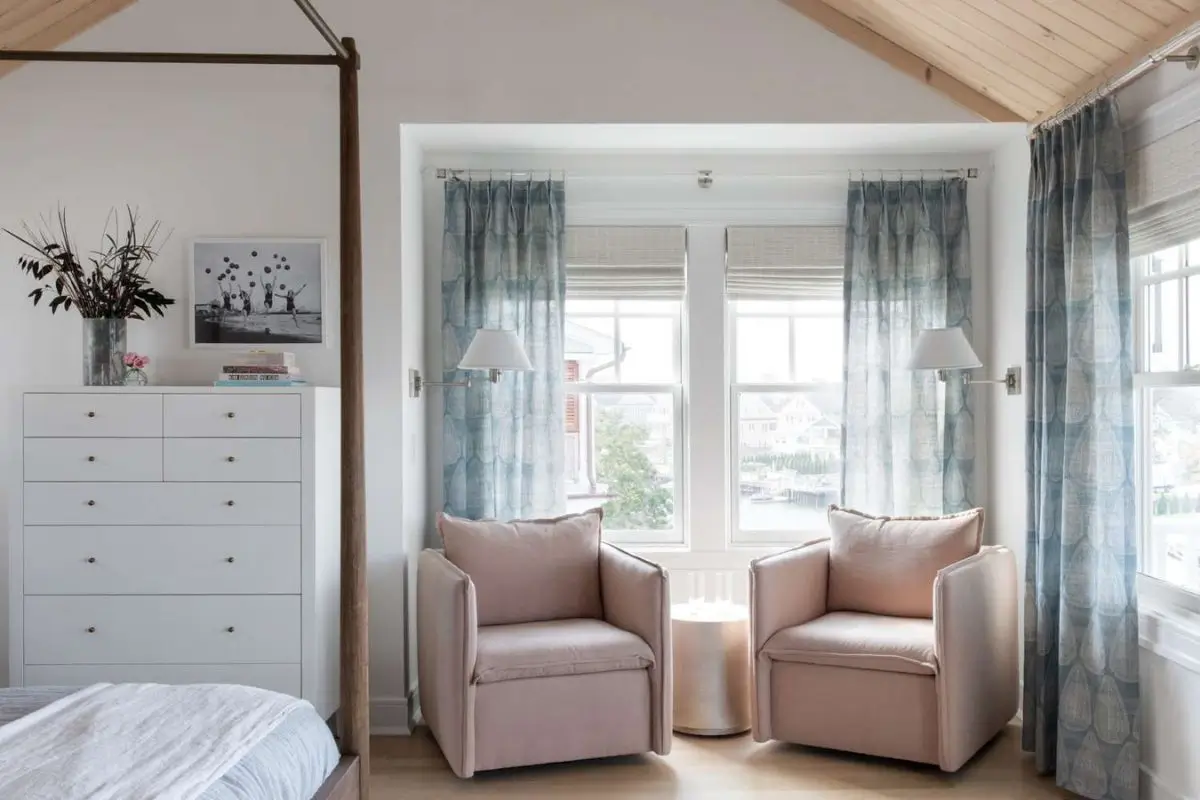
Maximizing Functionality: Curtains That Work as Hard as Your Small Space
In small spaces, curtains must do more than just look good—they need to be functional. Dual-layer curtains, for example, offer flexibility by combining sheer fabrics for daytime use and blackout materials for privacy and light control at night. This adaptability is particularly useful in compact areas where every element needs to multitask.
Curtains can also contribute to energy efficiency, an essential consideration for small apartments or homes. Thermal-insulated curtains help regulate indoor temperatures, keeping the space warm in winter and cool in summer. They also block noise, creating a more peaceful environment in urban settings.
Additionally, easy-to-clean fabrics ensure that the curtains remain low-maintenance, an important factor for small, busy households. By focusing on practicality and versatility, you can ensure that your curtains meet all the functional needs of a small space while maintaining their aesthetic appeal.
Maximize Your Space: Smart Curtain Styles for Small Rooms
Compact spaces benefit from innovative curtain styles that save space while enhancing the room’s look. Roman shades, roller blinds, and panel curtains are excellent choices, as they take up minimal space and provide clean, streamlined aesthetics. These styles are particularly suitable for rooms with tight corners or limited wall space.
Another practical option is to use curtains with tiebacks or magnetic clips, which allow you to neatly gather the fabric during the day. This keeps the space open and airy while still offering privacy when needed.
For multi-functional spaces, consider curtains that can double as room dividers. This approach is ideal for studio apartments, where curtains can separate the living area from the sleeping area without adding bulky furniture. These space-saving solutions ensure that your small space remains uncluttered while stylishly addressing your needs.
Conclusion
Choosing the right curtains for small spaces requires a balance of style, practicality, and design strategy. By focusing on fabric selection, color and pattern considerations, hanging techniques, and innovative styles, you can enhance both the look and functionality of your compact rooms. Curtains have the power to transform small spaces, making them feel open, inviting, and perfectly tailored to your needs.
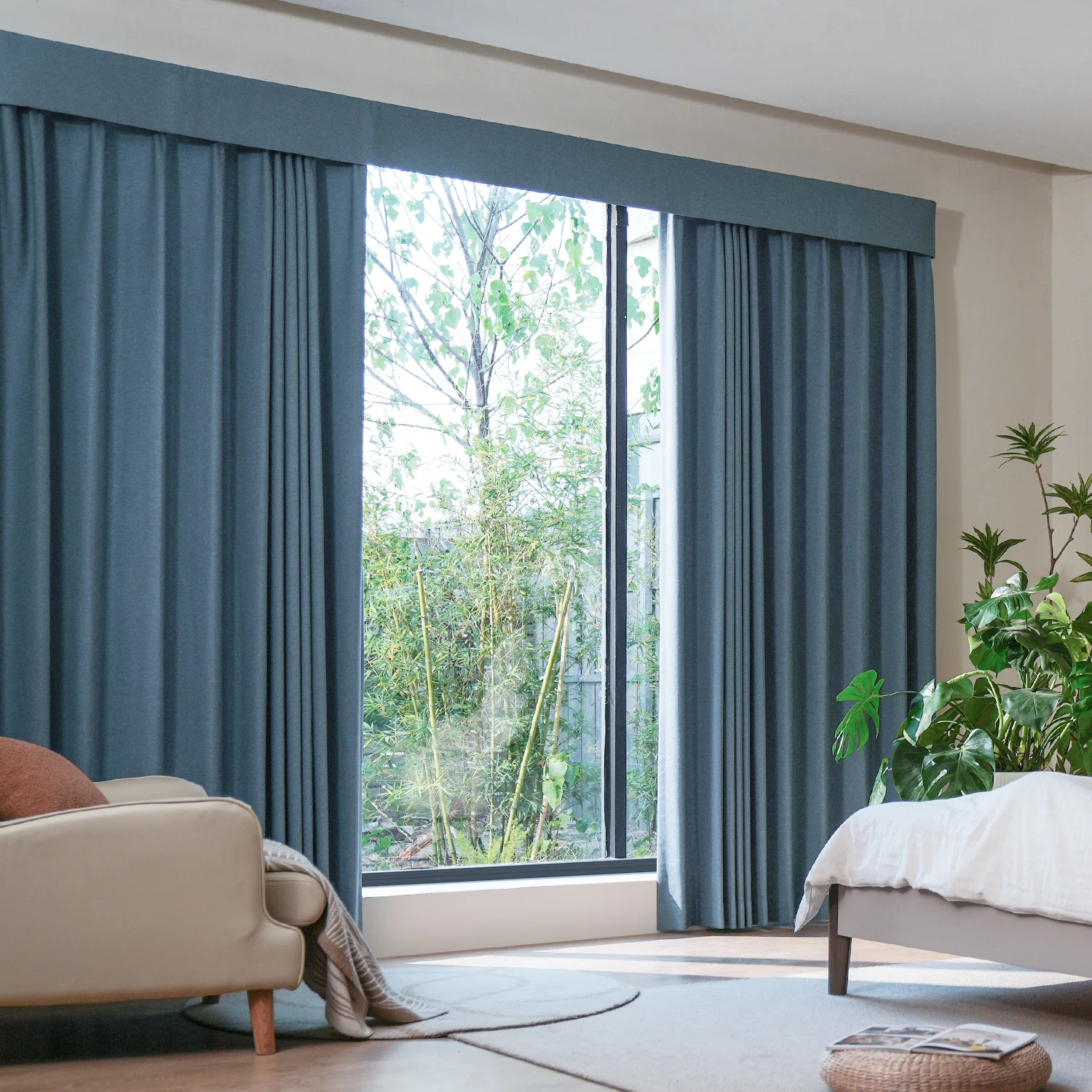
Should I use long or short curtains in small rooms?
When choosing between long or short curtains for small rooms, the decision greatly affects how spacious the room feels.
Long curtains are generally the better choice for small spaces because they create the illusion of height, making the ceiling look taller and the room appear larger. Hanging them from just below the ceiling to the floor elongates the walls and adds elegance. They also bring a cohesive and flowing look that helps minimize clutter.
Short curtains, on the other hand, can be practical in certain cases—such as kitchens, bathrooms, or rooms with furniture directly under the window. However, in small bedrooms or living rooms, short curtains may visually “cut” the wall and make the space feel smaller.
For small rooms, opt for floor-length curtains in light colors or sheer fabrics to maximize both style and spaciousness.
frequently asked questions about How to Choose Curtains
What curtain colors work best in small spaces?
Light colors such as white, beige, or soft pastels help create the illusion of a larger, brighter room, while darker tones may make the space feel smaller.
Should I use long or short curtains in small rooms?
Floor-length curtains can make ceilings appear higher and add elegance, while short curtains are better for rooms where functionality and space-saving are priorities.
What fabrics are ideal for small spaces?
Lightweight fabrics like linen, cotton, or sheer materials allow natural light to flow in, making the room feel more open and airy.
Can patterned curtains work in small spaces?
Yes, but it’s best to choose subtle, vertical, or small-scale patterns that elongate the room instead of bold, oversized designs that can overwhelm the space.
How can I hang curtains to make a small space look bigger?
Hang the curtain rod closer to the ceiling and extend it beyond the window frame to give the illusion of wider windows and taller walls.
Do blackout curtains suit small rooms?
Yes, blackout curtains are practical for bedrooms or media rooms, but choosing them in lighter colors helps maintain a spacious feel.